
Domestically Produced Nuclear-Grade Resins Fully Verified and Ready for Use
 Scan to share
On August 28, China General Nuclear Power Group (hereinafter referred to as "CGN") announced that five nuclear-grade resin products developed under its leadership have all been put into engineering application, with a cumulative total of 12 batches used at nuclear power plants including Daya Bay, Ningde, Yangjiang, Taishan, and Hongyanhe. Among them, the first product has been operating stably for over three years in the steam generator blowdown system (APG system) of nuclear power plants, with key performance indicators comprehensively outperforming imported counterparts of the same category, and the domestic nuclear-grade resin production line.
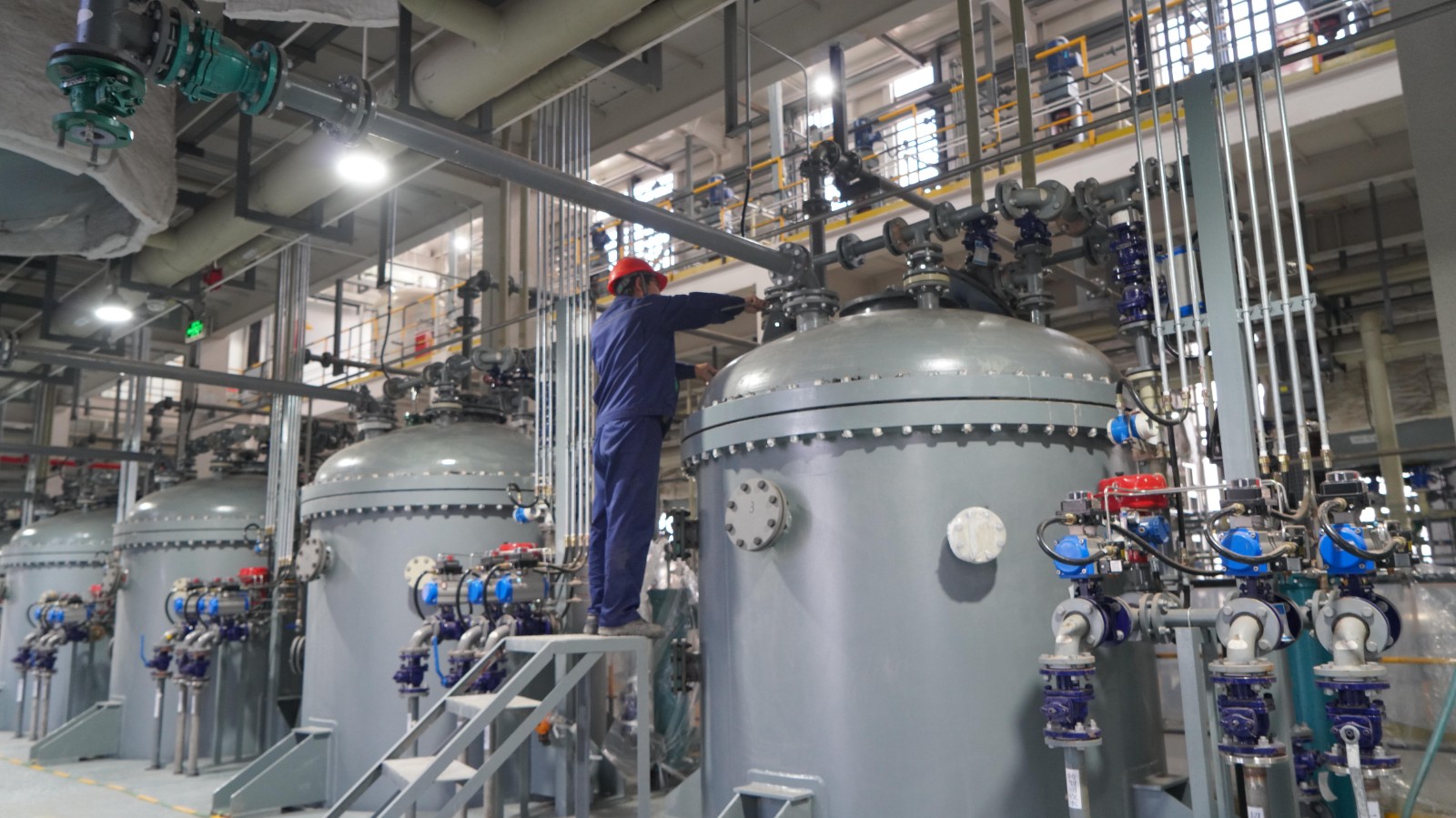
Domestic nuclear-grade resin production line.
Nuclear-grade resins are known as the "kidneys" of nuclear power water treatment systems, serving as core materials that ensure stable water chemistry indicators of nuclear power units and prevent equipment corrosion. For a long time, these materials have been highly dependent on imports, posing supply security risks such as long delivery cycles, unstable batch quality, and rising prices year by year.
From project initiation in 2021 to the full-series rollout in 2026, the CGN R&D team spent six years achieving independent breakthroughs from the process source, realizing the transition of key nuclear power water treatment materials from import dependence to independent and controllable supply.
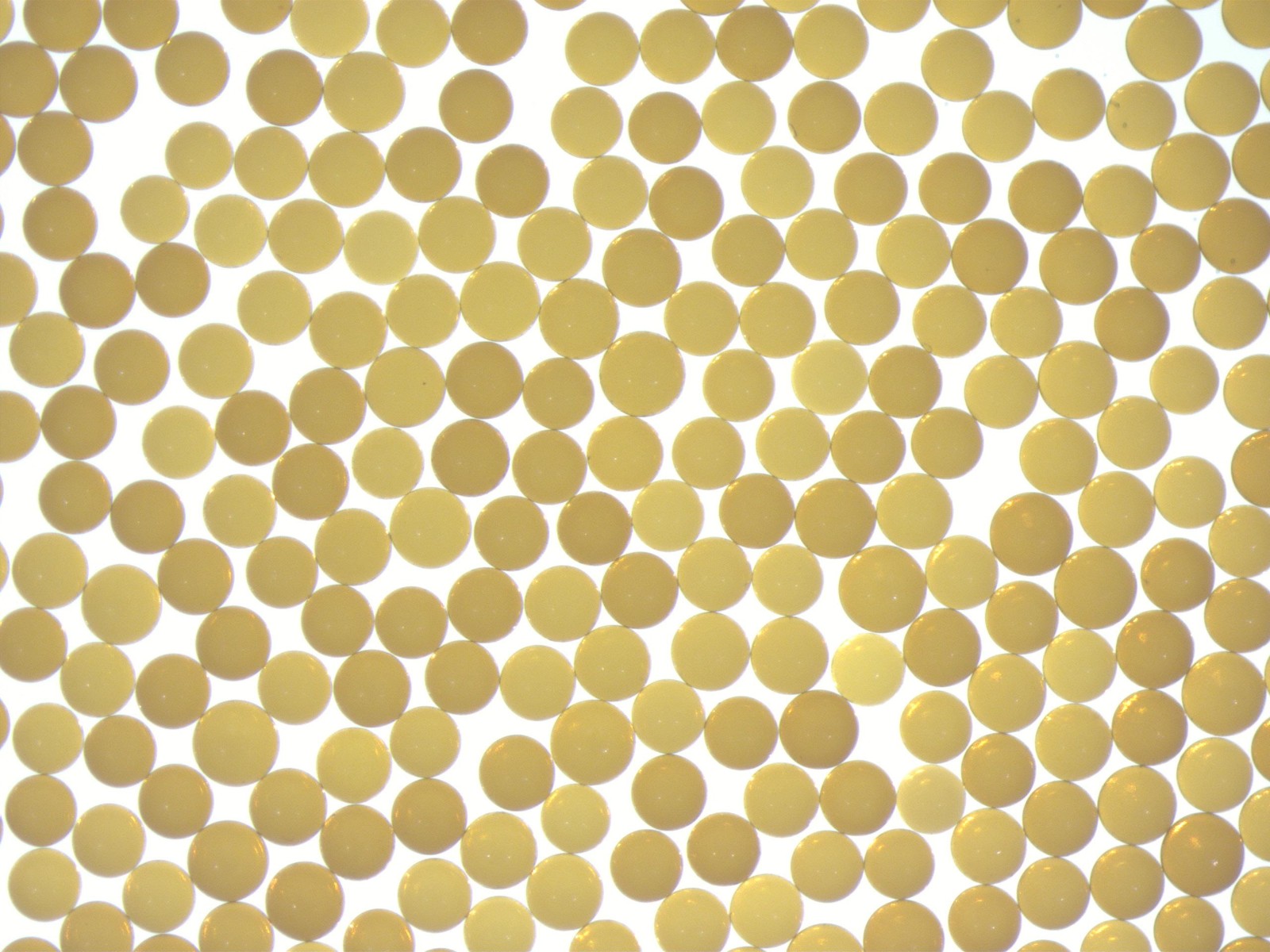
Micrograph of domestically produced nuclear-grade resin products.
The localization of nuclear-grade resins was jointly carried out by CGN Suzhou Thermal Power Research Institute, CGN's various nuclear power plants, and Xi'an Lanshen Technology. In March 2021, CGN approved the scientific research project for the localization of nuclear-grade resins. The R&D team abandoned traditional preparation processes and adopted the injection method—a new process uniquely available for mass production in China—completing nearly 40 batches of trial production tests and process optimization. They successfully developed nuclear-grade cation resin, nuclear-grade anion resin, nuclear-grade H/OH mixed bed resin, nuclear-grade 7Li/OH mixed bed resin, and condensate polishing resin products.
Currently, all products have passed industry technical reviews, with expert panels confirming that their core technologies are independently controllable and meet the safety operation standards of nuclear power plants.
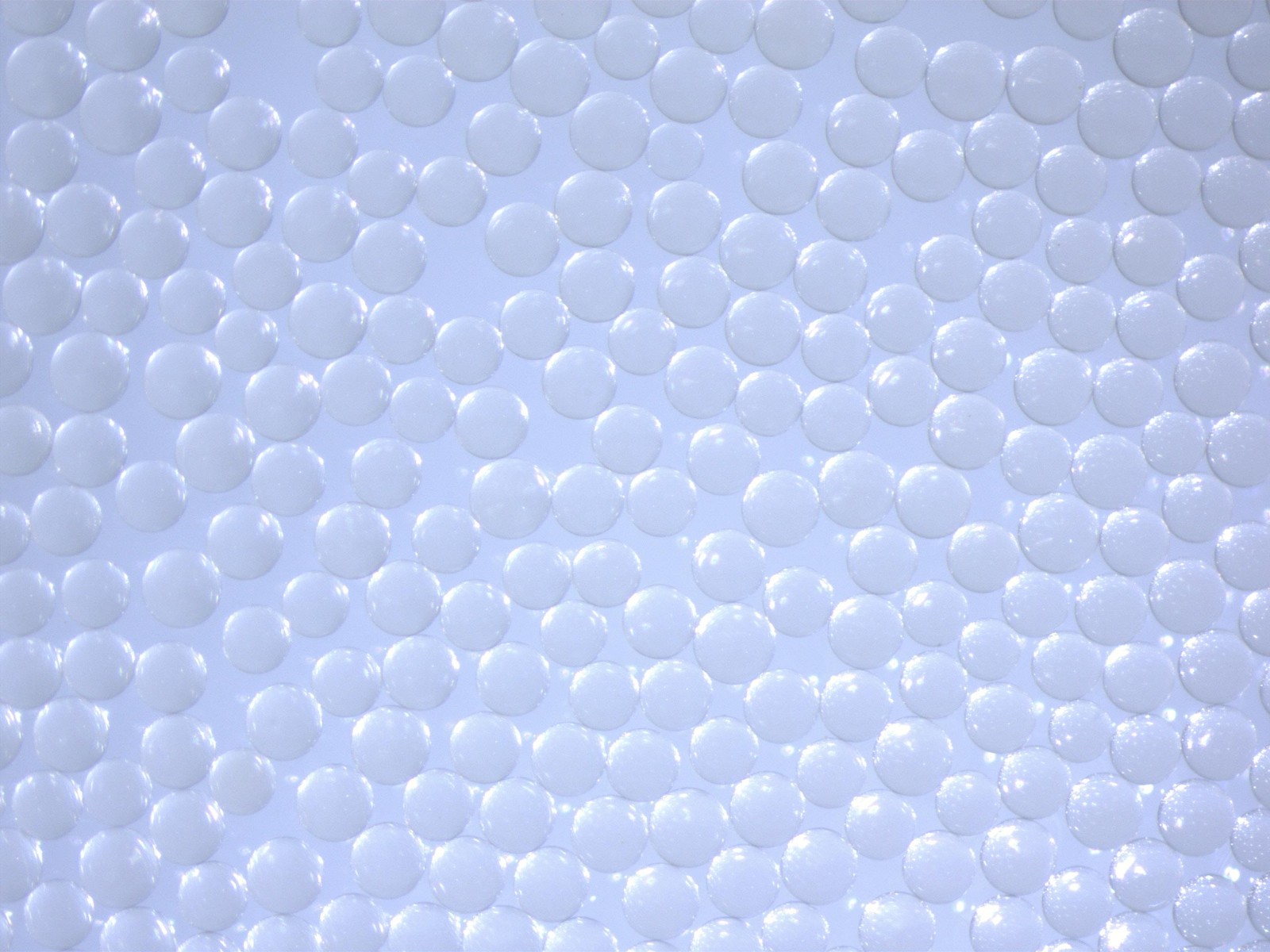
Micrograph of domestically produced nuclear-grade resin products.
After obtaining engineering admission, the domestically produced nuclear-grade resins underwent the most rigorous test—long-term on-site operation at nuclear power plants.
At the end of 2022, the domestically produced nuclear-grade cation resin was first put into service in the APG system of Daya Bay Nuclear Power Plant. After verification over a complete unit cycle, the system's effluent sodium concentration was <0.2 μg/L and operating differential pressure was <0.55 bar, with both core indicators outperforming the imported resins in use.
In October 2025, the reactor and spent fuel pool cooling treatment system of Daya Bay Nuclear Power Plant completed the replacement with domestically produced nuclear-grade resins, achieving a zero-breakthrough in resin localization for this core system; in December of the same year, domestically produced mixed bed resins began long-term trial operation in the radioactive wastewater treatment systems of Yangjiang and Ningde nuclear power plants, with domestically produced nuclear-grade resins now covering all scenarios of nuclear power water treatment.
At present, the project's production capacity can meet the operation and replacement needs of domestic nuclear power for the next decade.
Disclaimer: Information republished from partner media, institutions or other websites is provided for reference and communication purposes only. It does not imply endorsement of its views or verification of its accuracy. Please contact us if any content infringes rights or requires correction.