
Finland's 2025 Environmental Radiation Monitoring Shows No Harmful Effects from Nuclear Power Plant Operations
 Scan to share
The 2025 environmental radiation monitoring results released recently by the Radiation and Nuclear Safety Authority of Finland (STUK) show that radioactive substance levels in the Finnish environment generally remained low, and the operation of the Loviisa and Olkiluoto nuclear power plants has not caused harmful radiation impacts on the public or the environment.
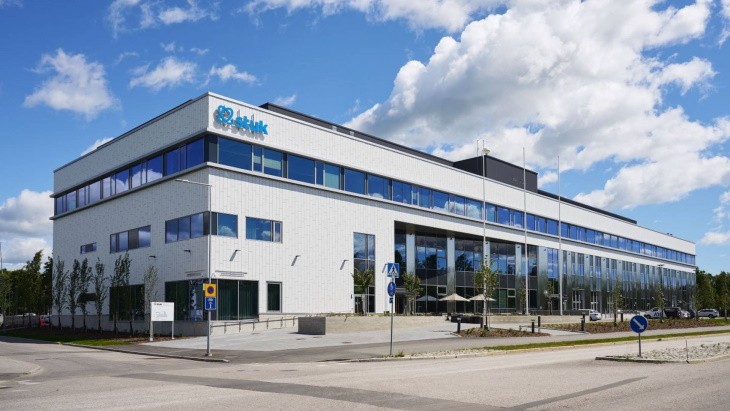
STUK continuously tracks Finland's radiation situation through its environmental radiation monitoring program. The monitoring includes continuous measurement of external radiation, as well as monitoring of radioactive substances in air, radioactive fallout, water bodies, food, and the human body, with the aim of promptly detecting changes in radiation levels and confirming the safety of the living environment.
Finland's automatic external radiation monitoring network covers essentially the entire country. In 2025, more than 97% of measurement data from 255 monitoring stations were successfully transmitted to STUK's monitoring data management system. The small amount of missing data was mainly caused by individual equipment or communication failures. In the event of abnormal radiation conditions, monitoring stations can automatically issue alarms.
In 2025, the monitoring network triggered a total of three alarms, none of which were related to changes in environmental radiation conditions. Two were associated with industrial radiography operations conducted near monitoring stations, and one was caused by a technical fault in the alarm function of a monitoring station.
STUK stated that artificial radioactive substances in the Finnish environment mainly originate from the 1986 Chernobyl nuclear power plant accident and atmospheric nuclear tests conducted in the 1950s and 1960s. Over time, the impact of these sources on environmental radiation levels continues to diminish. In 2025, trace amounts of artificial radioactive substances were detected twice in outdoor air samples; their source could not be determined, but the concentrations were extremely low and pose no impact on human health or the environment. Cesium-137 from the Chernobyl accident can still be detected in Baltic Sea samples, and its concentration, like that in other environmental samples, continues to show a declining trend.
Regarding environmental monitoring around nuclear power plants, STUK conducts independent monitoring of the terrestrial and marine environments surrounding the Loviisa and Olkiluoto nuclear power plants. In 2025, STUK collected approximately 130 terrestrial and marine environmental samples around each of the two nuclear power plants and completed analyses in its laboratories.
The monitoring results showed that small amounts of radioactive substances originating from the nuclear power plants were detected in some marine environmental samples, and the relevant radionuclides were consistent with the plants' reported discharge levels and previous years' monitoring results. STUK noted that the concentrations of these radionuclides are very low and do not result in significant radiation exposure impacts on the public or the environment.
Radioactive substances detected in soil and plant samples near the nuclear power plants mainly originate from radioactive fallout from the Chernobyl accident. Cesium-137 and strontium-90 concentrations are on the same order of magnitude as in other parts of Finland and are consistent with previous years' results. Internal radiation measurements conducted on residents living near the nuclear power plants found no radioactive substances originating from the plants.
In addition to independent monitoring conducted by the regulatory authority, nuclear power plant operators also carry out their own environmental monitoring around the plants. STUK stated that the results of marine and terrestrial sample analyses from the operators' environmental monitoring are in good agreement with STUK's independent measurements.
Based on 2025 environmental monitoring data, the annual radiation dose received by the Finnish public from artificial radioactive substances was below 0.02 millisieverts nationwide. Compared with the average annual radiation dose of approximately 5.9 millisieverts received by Finnish residents, this value is at a very low level.
Disclaimer: Information republished from partner media, institutions or other websites is provided for reference and communication purposes only. It does not imply endorsement of its views or verification of its accuracy. Please contact us if any content infringes rights or requires correction.