
3-meter-wide hole found at bottom of Unit 3 reactor pressure vessel at Fukushima Daiichi Nuclear Power Station: molten nuclear fuel burned through the base plate, TEPCO advances evaluation of debris removal project
 Scan to share
The latest investigation data released by Tokyo Electric Power Company (TEPCO) shows that an irregular circular hole with a maximum diameter of 3 meters exists at the bottom of the reactor pressure vessel (RPV) of Unit 3 at the Fukushima Daiichi Nuclear Power Station (Fukushima No. 1 NPP). This is the first time since the "3·11" Great East Japan Earthquake triggered a tsunami and caused core meltdown in 2011 that TEPCO has determined the specific shape and dimensions of the damaged bottom of the pressure vessel among the three reactors that experienced meltdown.
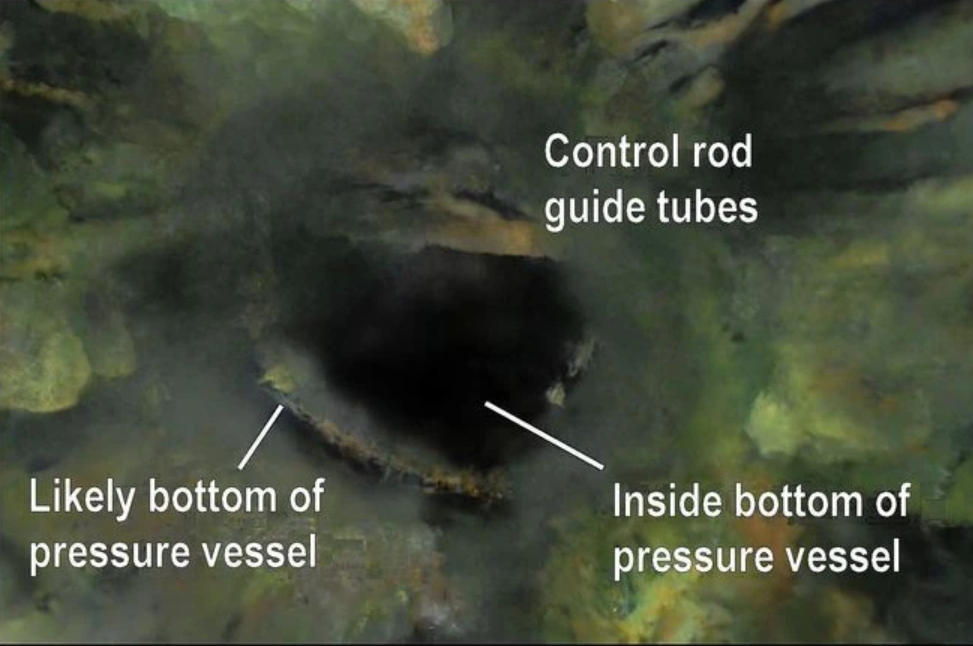
The conclusion is based on image data obtained by a technical team in March this year using palm-sized micro-drones to conduct 21 flight surveys inside the containment vessel of Unit 3. Engineers constructed a three-dimensional spatial model of the interior of the containment vessel based on multi-angle video transmitted back by the drones. Analysis shows that in the central area of the bottom of the steel pressure vessel, which has a diameter of 5.5 meters and a thickness of 14 centimeters, a through-hole with a maximum diameter of approximately 3 meters has formed. Molten nuclear fuel debris most likely melted through the base plate during the accident and fell to the bottom of the containment vessel below.
Clarifying the geometric characteristics of the hole provides a key physical basis for subsequently formulating the nuclear fuel debris removal project plan. Akira Ono, President of TEPCO's Fukushima Daiichi Decontamination & Decommissioning Engineering Company, pointed out at a press conference that the actual size of the hole exceeded previous expectations, but from an engineering implementation perspective, this larger size is instead advantageous for technicians to subsequently introduce tooling equipment from the side of the containment vessel and directly retrieve the debris from the pressure vessel by dropping it downward, without needing to pulverize it into extremely fine pieces inside the narrow vessel.
According to the current decommissioning progress plan, Tokyo Electric Power Company plans to officially begin the removal of nuclear fuel debris from Unit 3 as early as fiscal year 2037. To further determine the distribution of accumulated material at the bottom of the containment vessel and the radiation conditions, TEPCO plans to dispatch micro-drones again into the interior of Unit 3 before the end of this fiscal year to carry out a new round of surveys.
Disclaimer: Information republished from partner media, institutions or other websites is provided for reference and communication purposes only. It does not imply endorsement of its views or verification of its accuracy. Please contact us if any content infringes rights or requires correction.