
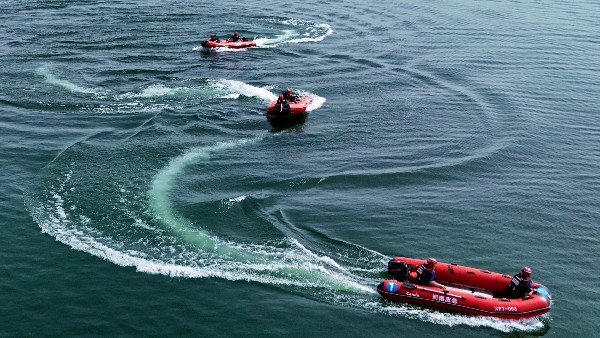
South China Regional Office Conducts Special Nuclear Safety Inspection on Fangchenggang Nuclear Power Plant in Response to Extreme Weather
Since 2026, the coastal area where Fangchenggang City, Guangxi Zhuang Autonomous Region, is located has experienced frequent extreme weather events. During the passage of Typhoon Maysak in July, the maximum gust measured on site at the Fangchenggang Nuclear Power Plant reached Force 9, with cumulative rainfall during the event reaching as high as 424.2 mm; in August, affected by the peripheral circulation of Typhoon Zitan, the area once again suffered sustained heavy wind and rain, with localized cumulative rainfall exceeding 300 mm. In response to the severe climatic situation of superimposed strong typhoons and short-duration heavy rainfall, the South China Regional Office of Nuclear and Radiation Safety Inspection of the Ministry of Ecology and Environment (hereinafter referred to as the South China Regional Office) recently took the initiative to...
2026-09-27

South China Regional Office completes pre-critical nuclear safety inspection for Yangjiang Nuclear Power Plant overhaul
From September 14 to 17, the South China Regional Office of Nuclear and Radiation Safety Supervision of the Ministry of Ecology and Environment (hereinafter referred to as the South China Regional Office) organized an inspection team to conduct a pre-critical nuclear safety inspection of Unit 5 of Yangjiang Nuclear Power Plant for its sixth refueling overhaul (Y506 overhaul). This inspection was jointly carried out by the Nuclear Facility Business Division and the newly established Operation Special Division, adopting an organizational model of two-division coordination and complementary expertise to systematically verify the safety status of the unit after refueling and before criticality, thereby safeguarding the critical juncture for the safe startup of the unit. The criticality of the unit after overhaul is a link in the nuclear safety management chain where risks are highly concentrated. With core refueling and loading completed, and maintenance, modification, and periodic testing items concluding in a concentrated manner, equipment status, personnel operations, and operational decisions converge at this point. The South China Regional Office closely focused on the core proposition of "whether the unit truly possesses the conditions for safe operation," concentrating on key contents such as operating limits and conditions, availability of safety-important items, confirmation of post-maintenance equipment status and periodic test results, closed-loop rectification of outstanding issues from the previous overhaul, and handling of abnormal conditions, insisting on item-by-item verification and one-by-one clearance to ensure that no doubts are carried forward and no loose ends are left.
2026-09-27
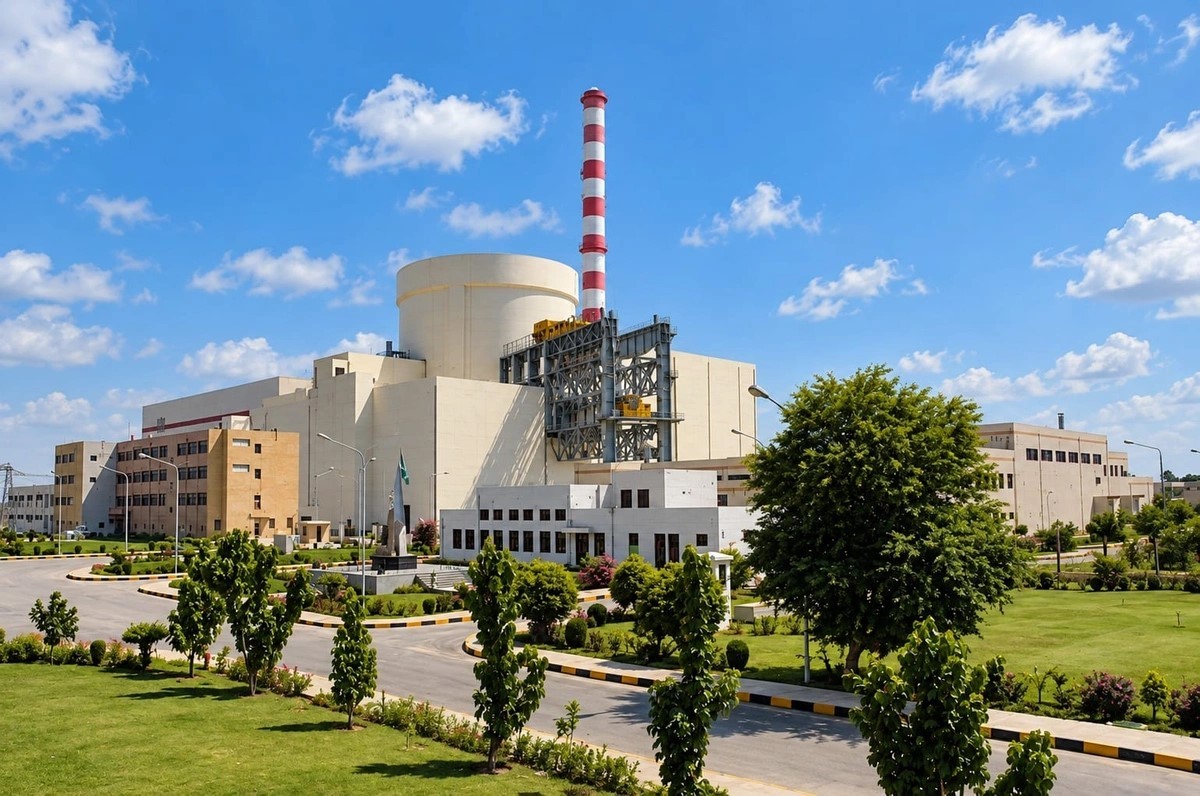
Chashma Nuclear Power Plant Unit 1 in Pakistan Sets a New Record of 427 Consecutive Days of Trouble-Free Operation
The Pakistan Atomic Energy Commission (PAEC) announced that Chashma Unit-1 (C-1) at the Chashma Nuclear Power Generating Station (CNPGS) near Mianwali in Punjab Province achieved 427 days of safe and uninterrupted continuous operation during its 18th fuel cycle. This achievement broke the previous record held by C-2 and C-4 units, setting a new historic high for the longest continuous safe operation period of a single unit in the history of Pakistan's nuclear power development. During this extended operating cycle, this 325-megawatt (MW) pressurized water reactor unit demonstrated...
2026-09-27

IAEA Releases White Paper on the Facilitation of the Safe and Secure Transport of Radioactive Material
During a side event of the 70th General Conference of the International Atomic Energy Agency (IAEA) held in Vienna, Austria, the IAEA Denial of Shipment Working Group officially released and distributed to Member States the White Paper on the Facilitation of the Safe and Secure Transport of Radioactive Material. The white paper puts forward a series of systematic policy recommendations aimed at effectively alleviating the long-standing predicament of denial of shipment or serious delay of shipment in the cross-border transport of radioactive material that has long plagued nuclear power plants, hospitals, industrial non-destructive testing facilities, and scientific research institutions worldwide...
2026-09-27
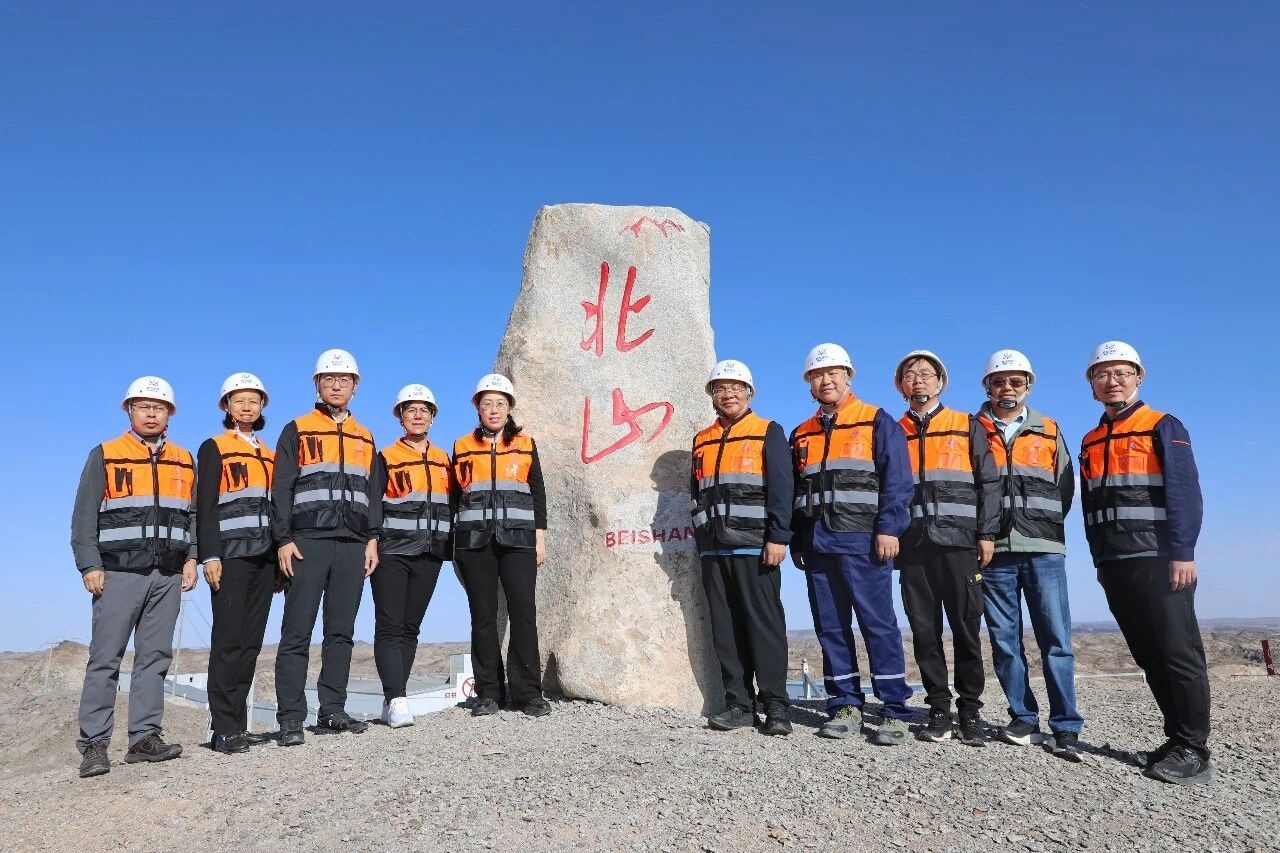
Nuclear and Radiation Safety Center of the Ministry of Ecology and Environment Conducts Technical Exchange at Beishan Underground Laboratory
To align with the key engineering tasks of the 15th Five-Year Plan for Building a Beautiful China, the responsible officials of the Nuclear and Radiation Safety Center of the Ministry of Ecology and Environment (hereinafter referred to as the Nuclear and Radiation Safety Center) recently led a team to the Beishan Underground Laboratory for technical exchange. The 15th Five-Year Plan for Building a Beautiful China explicitly proposes the construction of a safety assessment and verification platform for geological disposal of high-level radioactive waste. During the exchange, personnel from the Nuclear and Radiation Safety Center went deep into the Beishan Underground Laboratory site, conducting on-site inspections of underground tunnels, disposal holes, surrounding rock excavation interfaces, etc., and carried out in-depth technical exchanges with personnel from the Beijing Research Institute of Uranium Geology. The two sides focused on the layout of special tests for safety review, software development and testing, conceptual design review...
2026-09-22

China Formally Commits to Complying with the IAEA's "Management of Disused Radioactive Sources Guidelines"
Following its political commitments to the "Code of Conduct on the Safety and Security of Radioactive Sources" and the "Guidance on the Import and Export of Radioactive Sources," China has made a commitment to the International Atomic Energy Agency (IAEA) to comply with the "Management of Disused Radioactive Sources Guidelines" (hereinafter referred to as the "Disused Sources Guidelines"), marking a further improvement of China's international benchmarking system for the full chain and entire process of radioactive source management. The relevant information was officially published on the IAEA website on September 9. The "Disused Sources Guidelines" is one of the two important supporting guidance documents of the IAEA's "Code of Conduct on the Safety and Security of Radioactive Sources," approved and issued by the Board of Governors in 2017. As an internationally applicable non-binding normative framework, the Guidelines provide a unified reference standard for the standardized management of disused radioactive sources by member states, covering key areas such as policy planning, legislative development, regulatory responsibilities, storage and transport, full-process control, and international cooperation, and identifying multiple management pathways including return to supplier, recycling and reuse, long-term storage, and safe disposal, adapting to the nuclear technology utilization development levels and regulatory systems of different countries.
2026-09-20
Uzbekistan and the United States Sign Memorandum of Understanding on Radiation and Nuclear Safety Cooperation
Uzbekistan and the United States have signed a memorandum of understanding aimed at strengthening cooperation between the two sides in the field of radiation and nuclear safety. The Committee for Industrial, Radiation and Nuclear Safety of Uzbekistan disclosed this in a statement released. According to relevant information, the memorandum was signed on the sidelines of the 70th General Conference of the International Atomic Energy Agency (IAEA), which the Uzbek delegation is currently attending. The agreement was signed jointly by A. Rafigov, Chairman of the Committee for Industrial, Radiation and Nuclear Safety of Uzbekistan, and Ho Nieh, Chairman of the United States Nuclear Regulatory Commission. The memorandum provides a framework for cooperation between the nuclear and radiation regulatory bodies of the two countries in multiple...
2026-09-20

Uzbekistan and Turkey to Strengthen Cooperation in the Field of Radiation and Nuclear Safety
Uzbekistan and Turkey reached an important agreement at the 70th General Conference of the International Atomic Energy Agency, aimed at strengthening cooperation between the two countries in the field of radiation and nuclear safety. The Scientific and Technical Center for Radiation and Nuclear Safety under the Committee for Industrial, Radiation and Nuclear Safety of Uzbekistan and the Turkish Nuclear Technical Support Joint Stock Company (NÜTED) signed the relevant documents, marking concrete steps forward in information exchange and technical collaboration between the two sides. The focus of cooperation lies in effectively utilizing their respective scientific and technological resources, sharing valuable experience, and applying modern safety methods in practical operations. Both sides recognize that in the field of nuclear safety, the exchange of experience and tech...
2026-09-18
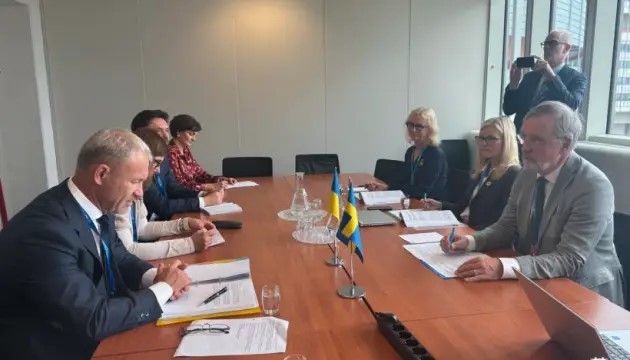
Ukraine and Sweden Extend Nuclear and Radiation Safety Cooperation Agreement
On September 17, 2026, during the 70th General Conference of the International Atomic Energy Agency (IAEA) held in Vienna, Ukraine and Sweden officially extended their cooperation agreement in the field of nuclear and radiation safety for five years. The heads of the State Nuclear Regulatory Inspectorate of Ukraine and the Swedish Radiation Safety Authority jointly signed the extension document. The State Nuclear Regulatory Inspectorate of Ukraine confirmed this outcome in an official statement, noting that the heads of the two countries' national nuclear regulatory bodies had reached agreement on continued cooperation for the next five years, laying the foundation for further deepening bilateral nuclear safety technical collaboration. During the meeting, representatives of Ukraine and Sweden held in-depth discussions on the specific implementation of joint projects. The two sides' future cooperation...
2026-09-18
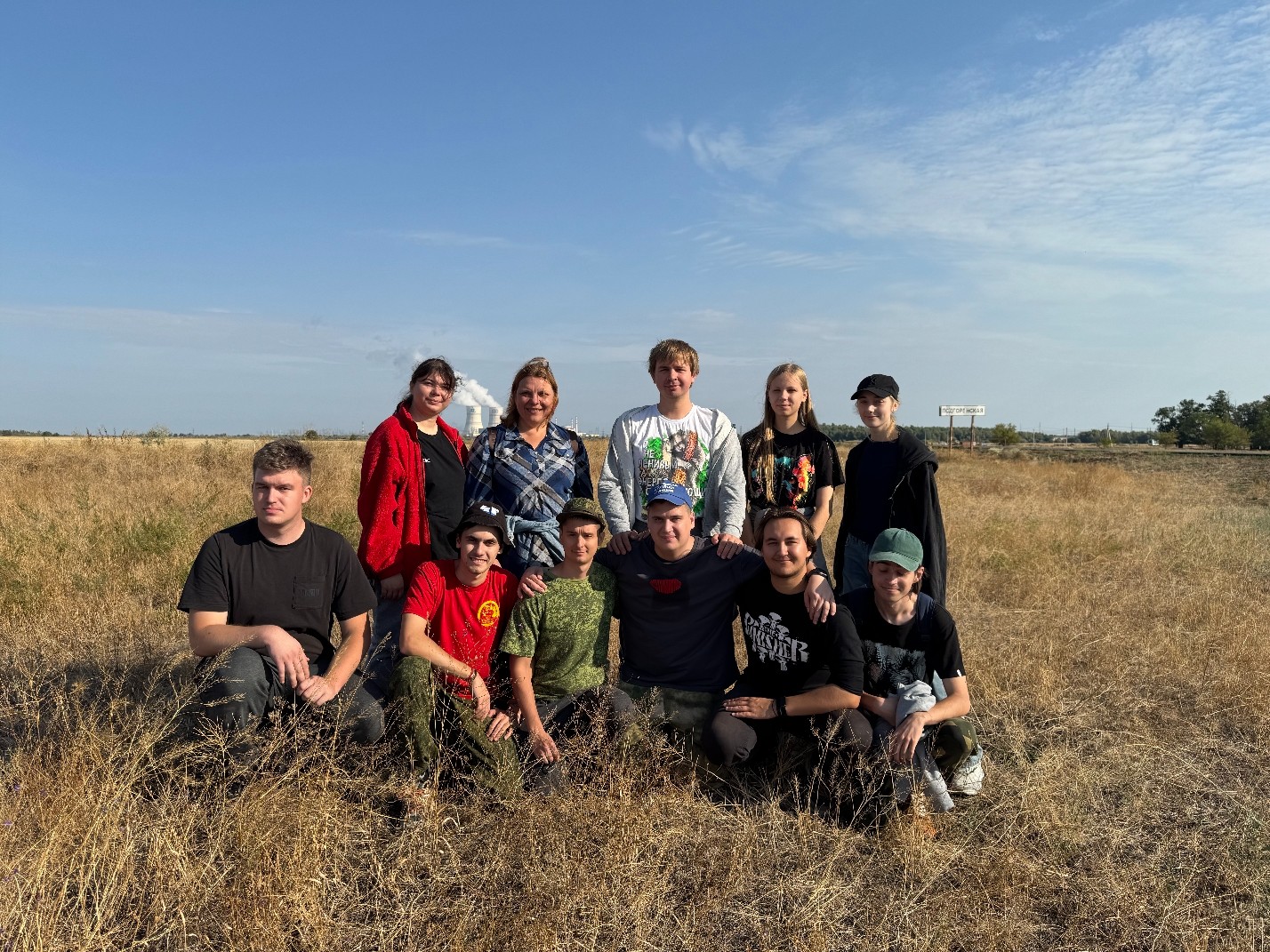
An independent expert team has once again confirmed the environmental safety of Russia's Rostov Nuclear Power Plant
Recently, the annual ecological expedition involving students and researchers from Southern Federal University successfully completed its second phase, and an independent expert team has once again confirmed the environmental safety of Russia's Rostov Nuclear Power Plant. During the expedition, researchers collected 200 soil samples and conducted nearly 500 measurements of air γ radiation dose rates. These sampling points had been established long before the nuclear power plant was put into operation and have been used continuously over the years. Through analysis of these samples, experts were able to accurately assess the local natural radiation background. Dr. Yelena Buraeva, head of the ecological expedition team, briefed the media in detail on the monitoring results sustained over many years, emphasizing that 25 years of...
2026-09-17
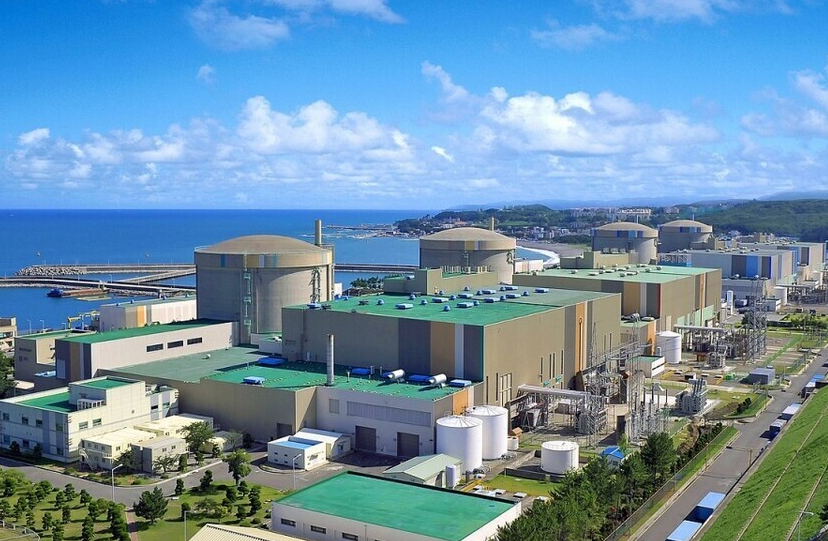
South Korea Conducts First Joint Radiation Emergency Exercise Involving Two Nuclear Power Plants Simultaneously
The Nuclear Safety and Security Commission (NSSC) of South Korea announced on September 10 that South Korea held the 2026 National Joint Radiation Disaster Prevention Exercise, simulating a radioactive material release accident at the Wolsong Nuclear Power Plant in Gyeongju, North Gyeongsang Province, and the simultaneous entry into a radiation emergency state at the Hanul Nuclear Power Plant in Uljin County, North Gyeongsang Province. Approximately 2,000 people participated in the exercise, including relevant South Korean central government departments, local governments, specialized agencies, relevant operating organizations, local organizations, and nearby residents. This exercise set up a compound disaster scenario of simultaneous radiation emergencies at multiple nuclear power plants for the first time. The exercise assumed that...
2026-09-12

South Korea to Reconsider Accident Management Plans for Four Units at Gori and Hanbit
On September 11, 2026, the Nuclear Safety and Security Commission of South Korea held its 14th meeting of 2026 to review the accident management plans and operating change license applications submitted by Korea Hydro & Nuclear Power (KHNP) for Gori Nuclear Power Plant Units 3 and 4 and Hanbit Nuclear Power Plant Units 1 and 2. The meeting failed to reach a final conclusion and decided to refer the relevant agenda items to the next meeting for continued deliberation. The accident management plan mainly includes the scope of nuclear power plant accident management, management facilities, management strategies, and training programs. For nuclear power units with long operating lives, approval of this plan is generally regarded as an important prerequisite for subsequent discussions on continued operation licenses....
2026-09-12

NRA Commissioner Inspects Radiation Management at Shimane Nuclear Power Station
Reiko Kanda, a Commissioner of the Nuclear Regulation Authority (NRA) of Japan, visited Matsue City, Shimane Prefecture, from September 7 to 8 to inspect radiation level management and on-site inspection work at the Shimane Nuclear Power Station. The NRA has a dedicated inspection team stationed at the Shimane Nuclear Power Station and conducts a related inspection once a year to confirm that resident inspectors can properly manage and monitor radiation levels. On September 8, the NRA inspected the emergency response center used by the nuclear power station in the event of a severe accident, focusing on confirming the inspectors' emergency response procedures. Reiko Kanda observed the inspection process on site. Reiko Kanda stated that the inspection work was carried out properly and that this inspection will serve as a reference for the NRA's future work.
2026-09-10

Romania's Cernavoda Nuclear Power Plant to Remain Offline Until at Least September 18 Due to Low Danube River Levels
On September 8, Romania's Cernavoda Nuclear Power Plant was expected to remain offline until at least September 18 due to low water levels in the Danube River. Emil Macovei, Technical Director of Nuclearelectrica, the operator of the Cernavoda plant, stated that over the next 10 days, the Danube's water volume would still be insufficient to support the restart of either of the plant's two units. Romania's Antena 3 television channel quoted him as saying that current hydrological conditions do not yet meet the requirements for unit operation. Cristian Busoi, Secretary of State at Romania's Ministry of Energy, said that predictions regarding the plant's restart timeline were "rather optimistic," and the ministry is currently unable to provide a definitive date for resuming operations. He confirmed that...
2026-09-09

China and Uzbekistan Deepen Cooperation in Nuclear Safety Regulatory Training
Since the National Nuclear Safety Administration and the Industrial, Radiation and Nuclear Safety Committee of Uzbekistan signed a Memorandum of Understanding (MoU) on nuclear safety cooperation at the beginning of the year, the two sides have continued to deepen their cooperation in the field of nuclear and radiation safety regulation. As an important measure to implement the MoU, the Nuclear and Radiation Safety Center of the Ministry of Ecology and Environment has successively organized two special training sessions for Uzbek nuclear safety regulators and convened China-Uzbekistan technical exchange activities on nuclear safety regulation. In June, the first training session focused on China's regulatory oversight of civil nuclear safety equipment. Experts from the Nuclear and Radiation Safety Center and the Northeast Regional Office of Nuclear and Radiation Safety Supervision delivered a four-week special training program for Uzbek trainees based on regulatory practices, covering China's...
2026-09-05

Declaration of the Council of Heads of State of the Shanghai Cooperation Organization on Strengthening Multilateral Partnership in Nuclear Safety and Nuclear Security
The member states of the Shanghai Cooperation Organization (hereinafter referred to as the SCO), based on historical ties, a century-old tradition of good neighborliness, and mutual respect, declare their commitment to the SCO Charter, the Charter of the United Nations, and the universally recognized principles and norms of international law, including respect for sovereignty, territorial integrity, and non-interference in internal affairs. Upholding the Shanghai Spirit of mutual trust, mutual benefit, equality, consultation, respect for diversity of civilizations, and pursuit of common development, they confirm that the responsibility for nuclear security rests entirely with each state, and note that the responsibility for nuclear safety rests with the operators of nuclear facilities and the states in which such facilities are located. They attach great importance to nuclear safety and nuclear security issues, which are important elements of international security directly affecting the lives of the peoples of SCO member states, and express deep concern over the illicit trafficking of nuclear materials and other radioactive substances, threats to nuclear facilities and infrastructure (including computer security), and the risk of nuclear terrorism...
2026-09-02

South Korea to Launch National Radiation Monitoring Center in 2027
The South Korean government reviewed and approved the "2027 Budget Plan" at a cabinet meeting on September 1. According to the budget arrangement, South Korea will launch the National Radiation Monitoring Center in 2027 to centrally collect and manage national environmental and marine radioactive information; simultaneously, it will expand the Nuclear Safety Information Sharing Center to strengthen direct communication with residents near nuclear power plants. The Nuclear Safety and Security Commission (NSSC) has allocated 1.4 billion KRW for the construction and operation of the National Radiation Monitoring Center. The project aims to strengthen the environmental radioactivity monitoring and analysis system to address regulatory demands arising from the expansion of domestic nuclear power utilization in South Korea and the increased operation and construction of nuclear facilities in neighboring countries. The National Radiation Monitoring Center is planned...
2026-09-01
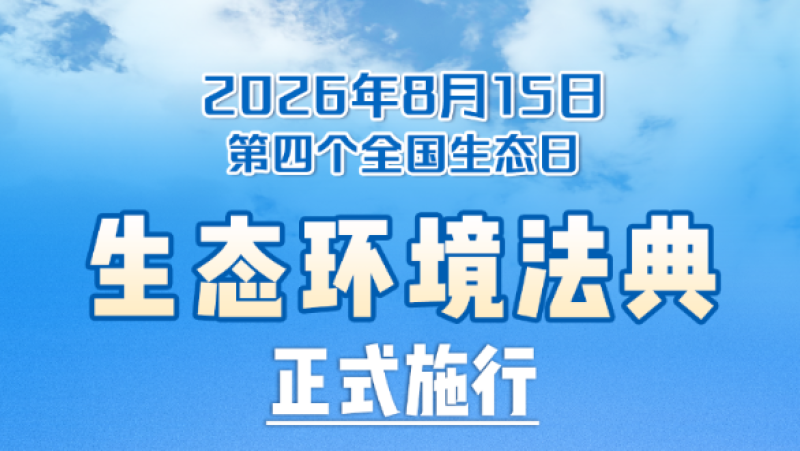
The Ecological Environment Code of the People's Republic of China Officially Takes Effect Today
On August 15, 2026, coinciding with the fourth National Ecology Day, the Ecological Environment Code of the People's Republic of China officially took effect. The promulgation and implementation of this Code marks the formal entry of China's ecological environment protection legal system into a new stage of codification, representing a major milestone in the rule of law for advancing ecological civilization construction and the building of a Beautiful China. The Code's promulgation: A historic leap in the rule of law for ecological civilization construction. The Ecological Environment Code of the People's Republic of China is the second foundational law named as a "Code" after the Civil Code. The Code systematically integrates existing effective laws and regulations in areas including environmental protection, air pollution prevention and control, water pollution prevention and control, soil pollution prevention and control, solid waste pollution prevention and control, radioactive pollution prevention and control, and noise pollution prevention and control. It abolishes 10 separate laws, incorporates the essential provisions of more than 20 laws into the Code system, and makes comprehensive provisions on basic principles of ecological environment protection, supervision and management systems, pollution prevention and control, ecological protection and restoration, green and low-carbon development, and climate change response, establishing a complete and logically rigorous legal norm system. The Code also makes comprehensive provisions on radioactive pollution prevention and control...
2026-08-15

Morocco Conducts 18 Expert Missions with IAEA in 2025, Civil Nuclear Cooperation Expands to African Level
Morocco's cooperation with the International Atomic Energy Agency is shifting from mere technical assistance to more active participation in regional capacity building. In 2025, Moroccan experts completed 18 international expert missions under the IAEA Technical Cooperation framework, with the agency's assistance to Morocco reaching €1.17 million in the same year. This indicates that Morocco has established a certain foundation in nuclear science, nuclear technology applications, and regulatory capabilities, and is beginning to play a more significant role in Africa's nuclear technology cooperation network. The National Center for Energy, Nuclear Science and Nuclear Technology in Rabat was granted the status of IAEA Collaborating Centre in September 2024, with a cooperation cycle covering 2025 to...
2026-08-15

Dong Baotong, Director of the National Nuclear Safety Administration: China's nuclear safety level remains among the top internationally, and during the "15th Five-Year Plan" period, the number of operating nuclear power units in China will rank first in the world
The State Council Information Office held a series of press conferences on August 13 themed "Starting the '15th Five-Year Plan' with a Strong Beginning," introducing the progress of comprehensively advancing the construction of a Beautiful China. Dong Baotong, Vice Minister of Ecology and Environment and Director of the National Nuclear Safety Administration, stated at the conference that ecological environment safety encompasses several key aspects, including ecological security, nuclear safety, and environmental risk prevention and control. The Ministry of Ecology and Environment serves as the lead coordinating body for both the national ecological security work coordination mechanism and the nuclear safety work coordination mechanism. Over the years, together with relevant departments, we have actively responded to various risks and challenges, effectively safeguarding the bottom line of ecological environment safety. Among these, in the area of nuclear safety, we have consolidated the primary responsibility of nuclear facility operators...
2026-08-13
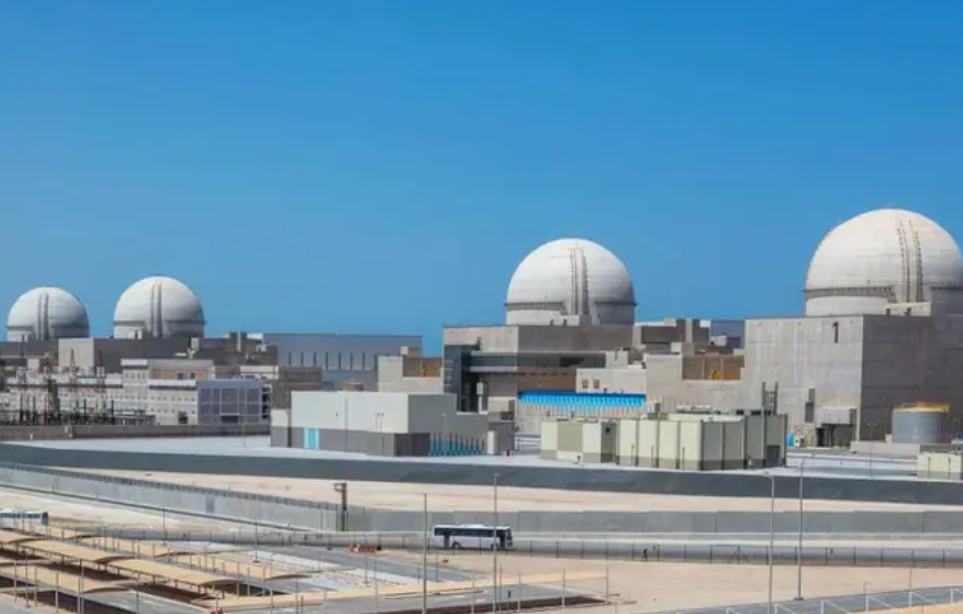
UAE Releases 2025 Annual Nuclear Regulatory Report, Highlighting Nuclear Safety and Peaceful Use Achievements
The UAE Federal Authority for Nuclear Regulation (FANR) has released its "2025 Annual Report," showcasing regulatory progress over the past year in nuclear safety, radiation protection, and nuclear non-proliferation. The report indicates that the UAE continues to advance its nuclear governance framework in line with the "We the UAE 2031" vision, enhancing regulatory efficiency while emphasizing that nuclear technology and nuclear materials must serve peaceful purposes. The report specifically highlights FANR's launch of a unified import and export system. This digital platform is designed to streamline the regulatory processes for the import and export of nuclear and radioactive materials, while strengthening regulatory transparency and traceability. The development of this system demonstrates that the UAE is focused not only on the safety of nuclear facilities themselves...
2026-08-13
Reading Ranking
- 1 South Korea Conducts First Joint Radiation Emergency Exercise Involving Two Nuclear Power Plants Simultaneously
- 2 South China Regional Office completes pre-critical nuclear safety inspection for Yangjiang Nuclear Power Plant overhaul
- 3 Chashma Nuclear Power Plant Unit 1 in Pakistan Sets a New Record of 427 Consecutive Days of Trouble-Free Operation
- 4 Ukraine and Sweden Extend Nuclear and Radiation Safety Cooperation Agreement
- 5 Uzbekistan and Turkey to Strengthen Cooperation in the Field of Radiation and Nuclear Safety
- 6 Uzbekistan and the United States Sign Memorandum of Understanding on Radiation and Nuclear Safety Cooperation
- 7 South China Regional Office Conducts Special Nuclear Safety Inspection on Fangchenggang Nuclear Power Plant in Response to Extreme Weather
- 8 IAEA Releases White Paper on the Facilitation of the Safe and Secure Transport of Radioactive Material
- 9 An independent expert team has once again confirmed the environmental safety of Russia's Rostov Nuclear Power Plant
- 10 China Formally Commits to Complying with the IAEA's "Management of Disused Radioactive Sources Guidelines"
- 11 Declaration of the Council of Heads of State of the Shanghai Cooperation Organization on Strengthening Multilateral Partnership in Nuclear Safety and Nuclear Security
- 12 NRA Commissioner Inspects Radiation Management at Shimane Nuclear Power Station
- 13 Russia's National Anti-Terrorism Committee Demands Enhanced Security for Energy and Nuclear Facilities
- 14 Romanian Army Deploys on the Danube to Protect Nuclear Power Plant Operations
- 15 South Korea to Launch National Radiation Monitoring Center in 2027