

Unit 3 of Japan's Ohi Nuclear Power Plant Automatically Shuts Down
Kansai Electric Power Co. announced in the early hours of the 9th that Unit 3 of the Ohi Nuclear Power Plant, located in Ohi Town, Fukui Prefecture, Japan, automatically shut down during operation. The unit has a generating capacity of 1.18 million kilowatts. According to Kansai Electric Power, at around 23:56 on the 8th, an alarm was triggered at the unit, indicating that the generator had lost the conditions required to produce a magnetic field. Subsequently, the generator automatically stopped operating, and the reactor also automatically shut down. Preliminary information suggests that the anomaly may involve the exciter, a device used to establish the magnetic field for the generator. Kansai Electric Power stated that no radioactive material leakage occurred as a result of this incident, and there was no radiological impact on nearby personnel or the environment. The cause of the malfunction...
2026-08-10
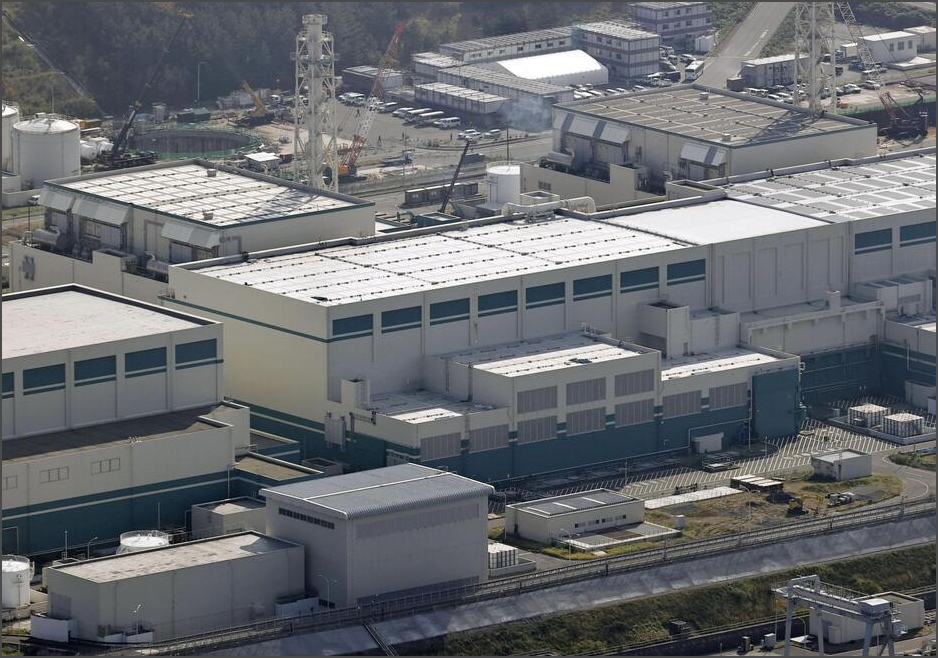
Another access control irregularity at Kashiwazaki-Kariwa Nuclear Power Station: exit gate fails to intercept unauthorized passage
Tokyo Electric Power Company (TEPCO) announced on August 7 that an irregularity related to access control occurred at the Kashiwazaki-Kariwa Nuclear Power Station. An operator improperly used his own ID card to allow a colleague who had left his ID card in the central control room to pass through the gate and exit. TEPCO stated that the access control system failed to display an error message at the time and was unable to prevent this unauthorized passage. According to disclosed information, the incident occurred during the exit process and involves management matters related to nuclear material protection. TEPCO has not yet publicly disclosed the specific date of the incident, the identities of the personnel involved, the detailed reasons why the system failed to trigger an alarm, or subsequent disciplinary actions and preventive measures. Kashiwazaki-Kariwa...
2026-08-08

Rising Seawater Temperatures Prompt New Nuclear Safety Rules: TEPCO Sets Temporary Shutdown Criteria for Kashiwazaki-Kariwa Plant
Tokyo Electric Power Company Holdings announced on August 7 that it has established a set of self-determined criteria for evaluating whether to temporarily halt nuclear reactor operations at the Kashiwazaki-Kariwa Nuclear Power Plant in Niigata Prefecture, in response to rising seawater temperatures in the surrounding area. These criteria are not mandatory requirements directly imposed by external regulatory authorities, but rather proactive measures voluntarily implemented by TEPCO based on safe operational needs. According to the conditions announced by TEPCO, the company will consider temporarily shutting down the relevant nuclear facilities when the 7-day average seawater temperature in the waters surrounding the plant exceeds 31 degrees Celsius, when water temperatures above 34 degrees Celsius are observed, or when water temperatures above 33 degrees Celsius persist for 12 hours. These numerical thresholds indicate that seawater temperature has been incorporated as a key variable in nuclear power plant operational risk management.
2026-08-08
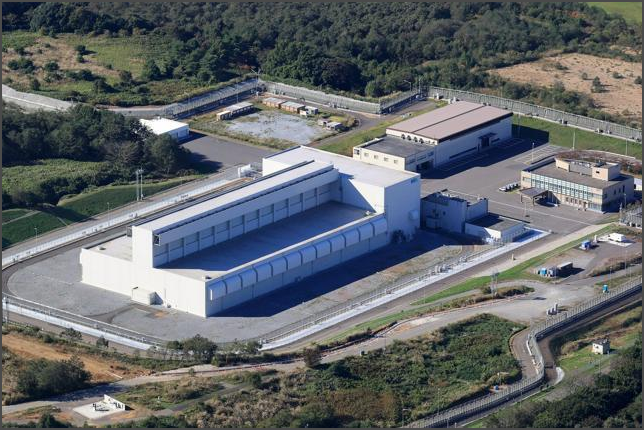
Mutsu City Requests Submission of Revised Plan for 5,000-Ton Transport to Spent Fuel Interim Storage Facility
On August 7, Tomoya Yamamoto, Mayor of Mutsu City, Aomori Prefecture, Japan, met with representatives of Recycle Fuel Storage (RFS) and its co-investors Tokyo Electric Power Company Holdings (TEPCO HD) and Japan Atomic Power Company (JAPC), requesting the three parties to submit a revised mid-to-long-term spent nuclear fuel transport plan, with consideration given to inter-operator cooperation. The plan may involve accepting spent nuclear fuel from other electric power companies. The facility in question, located in Mutsu City, Aomori Prefecture, is currently Japan's only interim spent fuel storage facility situated outside a nuclear power plant site. Under the existing siting agreement, the facility's acceptance scope...
2026-08-08

Mutsu City in Japan agrees to study receiving fuel from other companies at interim spent fuel storage facility
On August 7, Mutsu City in Aomori Prefecture, Japan, notified Tokyo Electric Power Company Holdings (TEPCO Holdings) and Japan Atomic Power Company (JAPC) that it agreed to allow the two companies to study a plan to receive spent nuclear fuel from other electric power companies at the local interim spent fuel storage facility. The facility, promoted and constructed by entities related to the two companies, is the only facility in Japan located outside nuclear power plant sites for interim storage of spent nuclear fuel. Under the current arrangement, the facility only accepts spent nuclear fuel from TEPCO Holdings and JAPC, and spent nuclear fuel from other companies is not permitted to be transported in. On the same day, Mutsu City Mayor Tomoya Yamamoto met with senior executives of the two companies at City Hall...
2026-08-07

New Decommissioning Plan for Fukushima Daiichi: Priority on Internal Investigation of Unit 3 Before Fuel Debris Retrieval
The Nuclear Damage Compensation and Decommissioning Facilitation Corporation of Japan released on August 6 an outline of the 2026 edition of the "Decommissioning Strategic Plan," proposing technical approaches for the decommissioning of Tokyo Electric Power Company's Fukushima Daiichi Nuclear Power Station. The plan highlights that, for the large-scale retrieval of melted fuel debris at Unit 3, expected to commence in or after fiscal year 2037, priority should currently be given to internal investigations of the reactor building to provide a more reliable basis for subsequent engineering plans. The plan states that the fuel debris retrieval method being studied by TEPCO still requires further improvement in certainty, with the key prerequisite being an understanding of the actual internal conditions of the reactor. Due to the high radiation levels of the water inside the unit following the accident...
2026-08-07
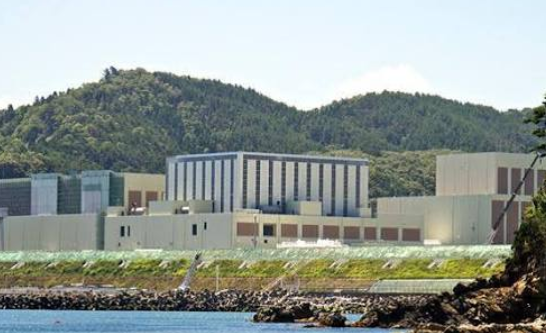
Radiation detector malfunction at Unit 2 of Japan's Onagawa Nuclear Power Plant causes hundreds of abnormal reading fluctuations
Tohoku Electric Power Company of Japan announced on August 6 that a detection equipment malfunction occurred at Unit 2 of the Onagawa Nuclear Power Plant, located in Onagawa Town and Ishinomaki City, Miyagi Prefecture. The issue involved detectors used to measure radiation levels in the main steam lines, which transport steam generated by the reactor to the turbine. Among the four detectors, one displayed readings in the central control room that surged and dropped sharply, repeating hundreds of times. Based on publicly available information, Tohoku Electric has classified this incident as a detector malfunction rather than an abnormal release of radioactive materials or a sudden change in reactor operating conditions. The company stated that the situation does not constitute a problem under security regulations, meaning that from...
2026-08-07

IAEA Director General to Inspect Kashiwazaki-Kariwa Nuclear Power Plant
Preparations are in the final stages for IAEA Director General Rafael Grossi's first inspection of Tokyo Electric Power Company's Kashiwazaki-Kariwa Nuclear Power Plant, expected to take place on August 18. Grossi has previously stated that there are "no obstacles to a swift restart," signaling a positive attitude toward the plant's reactivation. This inspection suggests that discussions surrounding the restart may accelerate. However, it is worth noting that local residents still harbor concerns, adopting a cautiously optimistic outlook on future developments. This marks Grossi's first visit to the Kashiwazaki-Kariwa plant, making it a significant event. Against the backdrop of growing attention to nuclear safety, the IAEA's...
2026-08-06

Japan's Plutonium Stockpile Expected to Remain at 44.4 Tons by End of 2025
Japan's Cabinet Office reported to the Japan Atomic Energy Commission (JAEC) on August 5 that Japan's plutonium stockpile is expected to be 44.4 tons by the end of 2025, unchanged from the end of the previous year. By source, domestically sourced plutonium stockpile is expected to be 9.9 tons, while overseas-sourced plutonium stockpile is 34.5 tons. The overseas-sourced plutonium mainly comes from separated plutonium formed after Japan entrusted its spent fuel reprocessing operations to the United Kingdom and France. The report shows that in 2024, Kansai Electric Power Company (KEPCO) processed 1.3 tons of plutonium stored in France into mixed uranium-plutonium oxide fuel, namely MOX fuel, resulting in a decrease in overseas-sourced plutonium stockpile. Subsequently, this batch of MOX fuel was shipped to the Takahama Nuclear Power...
2026-08-06

Shimane Nuclear Power Station Unit 2 scheduled inspection completion date moved up to September 16
Chugoku Electric Power Co., Inc. announced on August 5 that the schedule for the 18th periodic utility inspection of Shimane Nuclear Power Station Unit 2 has been revised, with the inspection completion date moved up from September 17, 2026 to September 16, and the power generation resumption date moved up from August 19 to August 18. Shimane Nuclear Power Station Unit 2 is a boiling water reactor unit with a rated electrical output of 820 MW. The unit was shut down on February 9, 2026 and entered its 18th periodic utility inspection. The reason for this adjustment is that, during the reactor start-up preparation work, the procurement of the nitrogen gas source used to fill the reactor containment vessel was completed earlier than planned, allowing the related work to be advanced accordingly...
2026-08-05

Japan Nuclear Security System Introduces SmartHR to Advance Centralized HR Data Management
On August 5, SmartHR Inc. announced that Japan Nuclear Security System Co., Ltd. has adopted its back-office system SmartHR for personnel and organizational management, to promote paperless HR operations and centralized employee information management. Japan Nuclear Security System, headquartered in Minato-ku, Tokyo, provides comprehensive security services for nuclear-related facilities, particularly nuclear power plants, through a combination of mechanical security and personnel security. One of the direct reasons for introducing the new system is that the company's existing HR system has ceased support, necessitating the selection of a replacement. Previously, ...
2026-08-05
Mitsubishi Heavy Industries to Fully Develop Small Modular Reactors, Targeting Commercialization in Japan
Against the backdrop of the Japanese government's push to expand nuclear energy utilization, Mitsubishi Heavy Industries has decided to proceed with full-scale development of Small Modular Reactors (SMRs), with the goal of achieving commercial application in Japan. This is seen as a significant step forward by a Japanese private enterprise toward the practical deployment of SMRs. The Basic Energy Plan approved by Japan's Cabinet last year calls for maximizing the use of nuclear energy. At a ministerial meeting held last week, the Japanese government once again confirmed its commitment to advancing the research, development, and deployment of next-generation nuclear reactors. SMRs represent one of the technology pathways for next-generation nuclear reactors. Due to their smaller unit size and higher degree of modularization, the industry generally...
2026-08-05
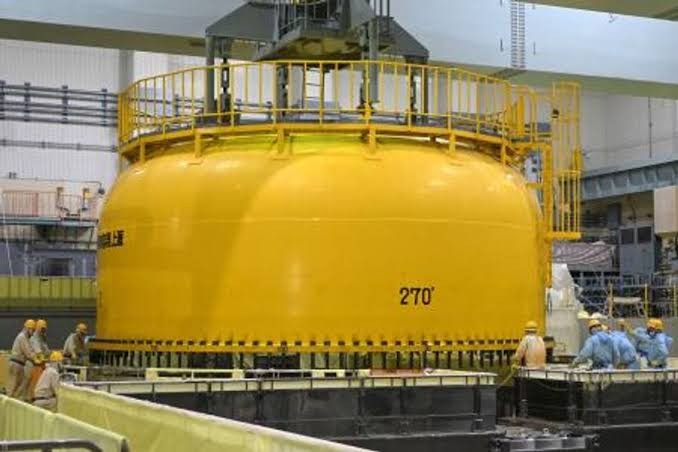
Shimane Nuclear Power Plant Unit 2 Completes Fuel Replacement and Installs Containment Vessel Head
Chugoku Electric Power Co. on August 4 disclosed the installation work of the containment vessel head for Unit 2 of the Shimane Nuclear Power Plant. The unit is currently undergoing periodic inspection, with major procedures such as nuclear fuel replacement already completed. Unit 2 of the Shimane Nuclear Power Plant, located in Matsue City, Japan, was restarted two years ago. Chugoku Electric Power Co. halted the unit's operation in February this year and has been conducting periodic inspections as scheduled. To date, all 560 nuclear fuel assemblies in the unit have been removed, and safety confirmation of the reactor core has been completed. Approximately 120 of these fuel assemblies were replaced with new nuclear fuel assemblies, followed by the phase of resetting related equipment and confirming seal integrity...
2026-08-05

Approximately 13,000 liters of water found in Unit 3 of Hamaoka Nuclear Power Plant; Chubu Electric continues investigation into data falsification
Japan's Chubu Electric Power announced on August 4 that water accumulation totaling approximately 13,000 liters was found in the turbine building and related areas of Unit 3 at the Hamaoka Nuclear Power Plant. The company stated that the accumulated water contains no radioactive substances and is currently investigating the specific cause. According to Chubu Electric Power, at around 11:00 a.m. on the 4th, a worker from a partner company discovered approximately 5 liters of water in a passageway on the northwest side of the first basement floor of the turbine building adjacent to the reactor building of Unit 3. Subsequently, company personnel continued on-site inspections and confirmed at around 3:00 p.m. the same day that approximately 13,000...
2026-08-05

Water Leak at Pipe Joint of Primary Cooling Pump in Unit 2 of Takahama Nuclear Power Plant; Kansai Electric Confirms No Radioactive Impact
Kansai Electric Power announced on August 3 that a water leak was found at a cooling water pipe joint in Unit 2 of the Takahama Nuclear Power Plant in July. According to Kansai Electric Power, an inspection crew discovered the issue during a check inside the intermediate building on July 11, with a leak volume of approximately 3.4 liters, and repairs were carried out on the 14th. The leak occurred at the pipe connection of the No. 1 cooling water pump during a periodic inspection. The pipe has an outer diameter of 2 centimeters, is secured by threaded fittings, and was sealed with sealing tape. Kansai Electric Power preliminarily determined that the leak may have been caused by tape deterioration due to friction or insufficient wrapping. Currently, Kansai Electric Power re-wrapped the sealing tape on the 14th, and Unit 2 of the Takahama Nuclear Power Plant resumed normal operation on July 16, with no other abnormalities identified to date. It is worth noting that the taped section had undergone a disassembly inspection in 2018, when the plant was in a long-term shutdown state.
2026-08-04

Japanese research team experimentally demonstrates that fusion plasma fluctuations can drive inward particle transport
August 3, 2026, a research team from The University of Tokyo and the National Institute for Fusion Science (NIFS) under the National Institutes of Natural Sciences announced that researchers have directly observed in experiments that low-frequency electric field fluctuations in high-temperature plasma confined by a dipole magnetic field can transport particles to the central region of the plasma. Plasma produced by the levitated dipole experiment device RT-1 (Ring Trap 1) Overall view of the RT-1 device (Kashiwa Campus, The University of Tokyo) The study was conducted using the levitated dipole experiment device Ring Trap 1 (RT-1) at The University of Tokyo. RT-...
2026-08-03
Japanese Poll: 76% of Respondents Support Maintaining the "Three Non-Nuclear Principles"
The Tokyo Shimbun, citing a national poll conducted by the Kyodo News-affiliated survey organization from June to July among 3,000 people aged 18 and above, reported that 76% of Japanese support maintaining the Three Non-Nuclear Principles of not manufacturing, not possessing, and not allowing the introduction of nuclear weapons; 77% oppose nuclear-sharing arrangements (i.e., the U.S. stationing nuclear weapons in Japan and operating them jointly). Given that Japan is the only country to have suffered atomic bombing in war, the results highlight strong anti-nuclear sentiment, while debate over whether to revise the principles is intensifying. Support for Japan joining the Treaty on the Prohibition of Nuclear Weapons before the first review conference in November stands at 55%, down 5 percentage points from the previous year; opponents account for 42%, of whom 56% believe that joining would not lead to nuclear disarmament. Regarding recent U.S. actions...
2026-08-03

Nitrogen Supply Unit at Fukushima Daiichi Nuclear Power Station Resumes Operation After Malfunction
Tokyo Electric Power Company (TEPCO) reported on August 1 that a reactor nitrogen supply unit at the Fukushima Daiichi Nuclear Power Station malfunctioned that day, but was subsequently repaired and resumed gas supply. The company stated that during the malfunction, no significant fluctuations were observed in hydrogen concentrations inside the reactors of Units 1 to 3 or in surrounding radiation monitoring data, and no risk of hydrogen explosion was confirmed. The reactor containments and pressure vessels of Units 1 to 3 at the Fukushima Daiichi Nuclear Power Station require continuous nitrogen injection to suppress hydrogen accumulation resulting from radiolysis of water. If hydrogen concentrations exceed a certain level, the risk of hydrogen explosion may increase. According to TEPCO, at 11:14 a.m. on August 1, a worker...
2026-08-03

Japan's Nuclear Plant Renewal Faces Labor Shortage Challenges
Japan is planning to replace its aging nuclear reactors to enhance the nation's energy independence. However, the key issue is that labor shortages are threatening the progress of this effort. According to reports, up to 70% of related companies have reported difficulties in recruiting personnel, placing greater strain on an already tight schedule. The government has approved plans to build up to five new nuclear reactors by 2040, but the human resource bottleneck at the operational level is becoming an increasingly serious problem. The labor shortage not only affects the progress of new projects but also puts pressure on the safe operation and maintenance of existing nuclear power plants. As aging reactors are gradually...
2026-08-02

Japan's Chugoku Electric Power swings to loss in FY2026 Q1 as nuclear shutdown raises costs
Japan's Chugoku Electric Power Co. announced its consolidated financial results for the first quarter (April-June) of fiscal year 2026 on July 31. During the reporting period, the company's sales increased 4.4% year-on-year to 343.9 billion yen, up 14.3 billion yen from the same period last year, mainly driven by growth in electricity sales volume. Profit performance, however, came under significant pressure. The company posted an operating loss of 5.3 billion yen, an ordinary loss of 3.2 billion yen, and a net loss of 3.7 billion yen for the first quarter, compared with a net profit of 26.8 billion yen in the same period last year, a year-on-year decrease of 30.5 billion yen. This marks the first time since the first quarter of fiscal year 2022 that the company has recorded simultaneous losses in operating profit, ordinary profit, and net profit over a four-year period. The company stated...
2026-08-02

Japan's Nuclear Regulation Authority Begins Revising Seismic Motion Evaluation Guidelines
In response to the data falsification issue at Chubu Electric Power's Hamaoka Nuclear Power Plant, Japan's Nuclear Regulation Authority (NRA) has initiated the revision of seismic motion evaluation guidelines. The falsification involves seismic motion evaluation data that underpins the safety of nuclear power plants, carrying significant implications. The NRA has stated it will treat this matter with utmost seriousness, aiming to establish stricter standards and monitoring systems through the guideline revision. Chubu Electric Power's data tampering is a grave issue that undermines public trust in nuclear power plant safety. Seismic motion evaluation is an extremely critical element in assessing the seismic resistance of nuclear power plants, and data accuracy is fundamental to safety. This incident has called into question the safety of the Hamaoka Nuclear Power Plant, necessitating a thorough investigation and re-evaluation by regulatory authorities. In the revision work...
2026-08-01
Reading Ranking
- 1 JAEA Plans to Adjust Decommissioning Plan for Monju Fast Breeder Reactor
- 2 Japan's Tomari Nuclear Power Plant Unit 3 Restart Review Still Requires Additional Fire Safety Documentation
- 3 Hitachioomiya City Assembly in Ibaraki Prefecture, Japan, discusses literature survey request for nuclear waste disposal site
- 4 South Korea's POSCO Group Invests in Japanese Fusion Company Kyoto Fusion Engineering
- 5 Japan Explains Plan for Spent Fuel Interim Storage Facility in Kaminoseki Town
- 6 Kyushu Electric Power explains holding company transition to Kagoshima Prefecture; Sendai Nuclear Power Plant business to continue
- 7 Tokamak Energy's ST40 device new gyrotron completes site acceptance test
- 8 Japan Selects Four Companies for Fusion Power Program
- 9 Masayoshi Son: Nuclear Fusion Could Become Key to Powering Future AI Data Centers
- 10 Japan's Mutsu Spent Fuel Interim Storage Facility May Expand Participants; KEPCO and Hokuriku Electric Power Say They Are Considering
- 11 Kansai Electric Revises Site Survey Plan for Additional Units at Mihama Nuclear Power Station
- 12 Eight economic organizations in Hokkaido urge early restart of Tomari Nuclear Power Plant Unit 3 and electricity price reduction
- 13 Mutsu City in Japan agrees to study receiving fuel from other companies at interim spent fuel storage facility
- 14 Removal of Highly Radioactive Spent Fuel Begins at Unit 2 of Fukushima Daiichi Nuclear Power Station
- 15 Japan aims to rebuild up to 5 retired nuclear power plants by the 2040s