
Japanese Nuclear Regulator Inspects Horonobe Geological Disposal Research Facility for High-Level Radioactive Waste
 Scan to share
On August 28, Shinya Nagasaki and other members of Japan's Nuclear Regulation Authority (NRA) inspected an underground research facility in Horonobe Town, Japan. The facility, operated by the Japan Atomic Energy Agency (JAEA), conducts technical research on deep geological disposal of high-level radioactive waste.
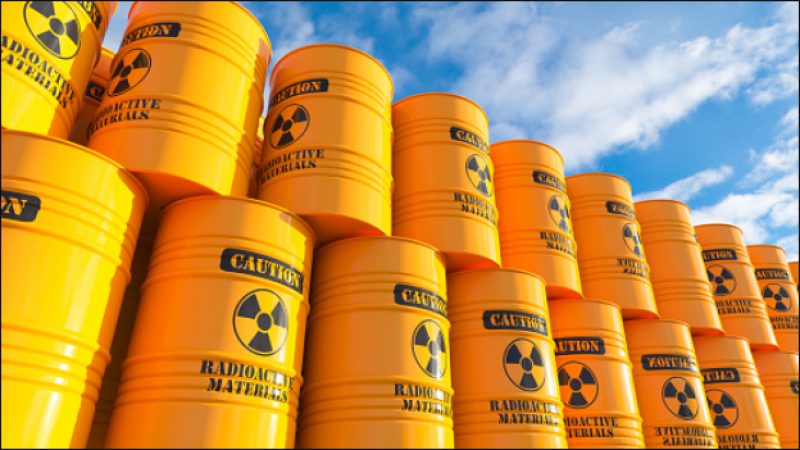
Geological disposal of high-level radioactive waste involves encapsulating the waste and burying it deep underground, achieving long-term isolation through engineered and natural geological barriers. During the inspection, Nagasaki and his delegation examined test facilities used to evaluate the corrosion resistance of iron containers. The tests simulate the environment of containers holding heat-generating radioactive waste after being buried underground to study their long-term changes.
The inspectors also entered a 500-meter-deep research tunnel completed in January this year. The tunnel will be used for deeper underground environment research, providing data to support the assessment of geological disposal technologies.
After the site visit, NRA members exchanged views with research center staff, focusing on the data and analysis results obtained from the relevant experiments. Nagasaki noted that laboratory research and underground field studies may yield different results, and expressed expectations for the facility's future research outcomes.
Disclaimer: Information republished from partner media, institutions or other websites is provided for reference and communication purposes only. It does not imply endorsement of its views or verification of its accuracy. Please contact us if any content infringes rights or requires correction.