

Indonesia Incorporates Nuclear Energy into Decarbonization and Power Planning
The National Energy Council (DEN) of Indonesia recently stated that nuclear energy is expected to become an important option for driving the country's energy transition and achieving its net-zero emission targets. DEN member Sripeni Inten Cahyani said at a national energy policy promotion event held at Mataram University that the positioning of nuclear energy in Indonesia's energy planning is changing, and it is no longer just a last resort. Sripeni Inten Cahyani (right), a member of the National Energy Council (DEN), accompanied by fellow member Surono (left), gave an exclusive interview to reporters after a national energy policy outreach activity at Mataram University in West Nusa Tenggara Province on Thursday, August 20, 2026...
2026-08-21

South Korea plans to build an innovative self-developed fusion reactor by 2035
Yang Hyeong-ryeol, head of the fusion sector of the K-Moonshot project at the Korea Institute of Fusion Energy (KFE), recently stated that South Korea plans to complete the construction of an independently developed innovative fusion reactor by 2035 and strives to complete power generation demonstration by 2039. He said that nuclear fusion is an extremely challenging technical endeavor, but once a breakthrough is achieved, it will have broad driving effects on the energy, industrial, and technological systems. Yang Hyeong-ryeol, project director of South Korea's Moonshot program, said nuclear fusion is often called an artificial sun because it generates energy by simulating the energy production process inside the sun. Against the backdrop of rapid expansion of AI applications, rising electricity demand, and increasing global pressure for carbon reduction, the commercialization of fusion energy is attracting growing attention from more countries and enterprises. The South Korean government has listed nuclear fusion, along with small modular reactors and renewable energy, as key future technology directions, and hopes to advance the commercialization of fusion energy through public-private partnerships.
2026-08-20

TerraPower Plans to Deepen South Korean Supply Chain Cooperation to Advance K-Sodium SMR Business Model
TerraPower CEO Chris Levesque recently stated that South Korea possesses strong nuclear supply chain capabilities, with both a foundation in small modular reactor (SMR) construction and familiarity with the stable power demands of AI data centers, semiconductors, and other industries. TerraPower plans to further strengthen cooperation with South Korean companies in supply chain and project manufacturing. Levesque stated that small modular reactors are not a technology intended to replace traditional large-scale nuclear power plants, but rather a new class of energy solution targeting incremental electricity demand in the AI era. He recently met with TerraPower Chairman Bill...
2026-08-19
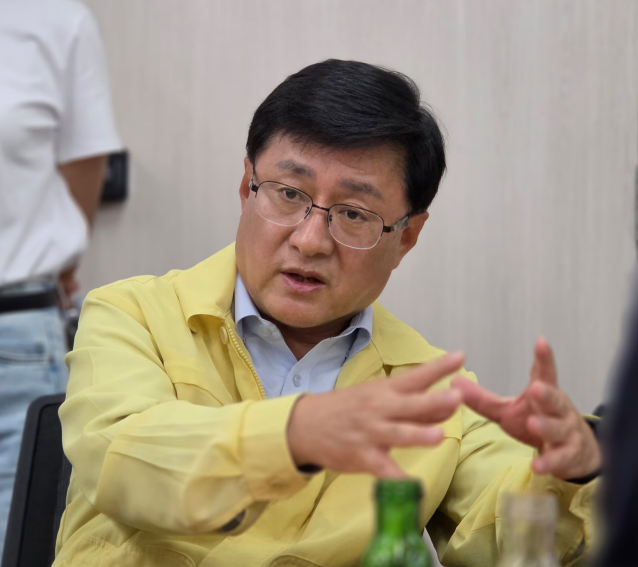
South Korea Has Not Yet Decided Whether to Include New Nuclear Power in the 12th Basic Plan for Electricity Supply and Demand
South Korea's Minister of Climate, Energy and Environment, Kim Sung-hwan, said during a meeting with reporters at the Sejong Government Complex on August 18 that the government has not yet reached a conclusion on whether to include new nuclear power plants in the 12th Basic Plan for Electricity Supply and Demand. Kim said that government policy cannot be determined solely by the personal will of the minister in charge, and it is not appropriate to make premature statements at this stage. He emphasized that related matters will be decided after going through the necessary deliberation process. Regarding whether nuclear power will be included in the 12th Basic Plan for Electricity Supply and Demand, the government plans to clarify the direction of discussion as soon as possible, including how public opinions will be reflected, how the review procedures involving experts and public participation will be structured, and what methods will be used to conduct debates or public discussions before the plan is released...
2026-08-19

Kazakhstan's National Nuclear Center Introduces Computer Modeling Methods for Reactor Safety
The National Nuclear Center of the Republic of Kazakhstan (NNC RK) recently presented its modern computer modeling methods used in the safety justification of reactor facilities. Arthur Suraev, a leading researcher at the laboratory of the branch Institute of Atomic Energy, stated that high-precision computational models have become an important tool for assessing reactor normal operation, design-basis accidents, and beyond-design-basis accident conditions. Suraev noted that computer modeling enables preliminary evaluation of neutron physics, thermal-hydraulic, and structural response processes inside a reactor before conducting complex and expensive experiments. By analyzing interrelated physical processes,...
2026-08-16

Armenia Responds to Claims of Metsamor NPP Closure: Operating License Valid Until 2036
In response to Azerbaijani President Ilham Aliyev's claims that the Metsamor Nuclear Power Plant is outdated and could pose a potential threat to the region, Arman Yeghoyan, a lawmaker from Armenia's ruling Civil Contract party, stated that the operating lifetime of a nuclear power plant is not unilaterally determined by the governments of neighboring countries. Yeghoyan noted that every nuclear power plant has an established operating period, and the Metsamor NPP is currently authorized to operate for a maximum term extending to 2036, information that has long been public. He also stated that the Armenian side has announced it is studying options for building a new nuclear power plant...
2026-08-14

Jellyfish Blockage Forces Shutdown of French Nuclear Units; Experts Say Shutdown Demonstrates Effectiveness of Safety Systems
France's Gravelines Nuclear Power Plant recently shut down some of its units again after large numbers of jellyfish entered the water intake system. On August 11, reactors 2, 3, and 4 at the plant were forced to shut down due to blockage in the seawater cooling pump system, reactor 1 was reduced to half power operation, reactor 5 was under maintenance at the time, and only reactor 6 continued normal operation. EDF (Électricité de France) stated that the incident had no impact on nuclear safety, personnel, or the environment, and the affected units would be restarted in phases. Located in northern France, the Gravelines Nuclear Power Plant is one of the largest nuclear power plants in Western Europe. Similar situations have occurred before. In the 20...
2026-08-13

Europe's High Temperatures and Droughts Impact Nuclear Power Operations, Ukrainian Expert Says Climate Adaptation Tied to Energy Independence
Recent prolonged high temperatures, droughts, and falling river levels across Europe have put pressure on the operation of some nuclear power plants that rely on river water for cooling. Nuclear facilities in France, Hungary, Romania, and Slovenia have successively experienced power reductions or shutdowns, forcing some countries to ease supply pressure through electricity imports and adjusted consumption arrangements. Katie Huff, a professor of nuclear engineering at the University of Wisconsin-Madison, stated that the impact of climate change on nuclear power operations is mainly reflected in two aspects: first, droughts lower river levels, making it difficult for plants to obtain sufficient cooling water; second, when air and water temperatures are high, nuclear plants face stricter restrictions on discharging warm water into rivers to avoid further affecting the aquatic environment.
2026-08-11

South Korea's semiconductor cluster adds about 21 GW of new power demand; government to study whether to build new nuclear units
South Korea's Minister of Climate, Energy and Environment, Kim Sung-hwan, said on the 10th that the new electricity demand from the Yongin—Hoseon semiconductor industry cluster is approximately 21 GW, equivalent to the power supply capacity of about 15 nuclear units based on an estimate of 1.4 GW per unit. The Ministry of Climate, Energy and Environment plans to seek expert and public opinions before announcing the 12th Basic Plan for Electricity Supply and Demand in October, and will decide accordingly whether to push for the construction of new nuclear units. Kim Sung-hwan stated that the electricity demand of the semiconductor industry has increased significantly compared to the past. The South Korean government has decided to raise renewable energy capacity from 78 GW to 100 GW by 2030, but whether the increase in renewable energy alone can meet the new demand still requires further assessment.
2026-08-11

MIT Research Proposes Framework for Assessing Economic Viability of Fusion Power Plants
Researchers at the Massachusetts Institute of Technology (MIT) have recently proposed an assessment framework aimed at addressing the core question that fusion energy must confront in transitioning from scientific feasibility to commercial profitability: how can a fusion power plant achieve economic viability in the energy market? The related open-access paper, titled "Criteria for the Economic Viability of Fusion Power Plants," has been published online in the Journal of Fusion Energy. The paper is authored by Dennis Whyte, Professor of Nuclear Science and Engineering at MIT, and Andrew W. Lo, Professor of Finance at the MIT Sloan School of Management, with contributions from researchers at Rutherford Energy Ventures and the MIT Plasma Science and Fusion Center.
2026-08-10

Rosatom Says Russian Nuclear Plants Operate Stably During Summer Heat
In response to recent operational pressures faced by foreign nuclear power plants due to high temperatures and low water levels, Alexey Likhachev, CEO of Rosatom, stated that Russian nuclear power plants are operating normally during the summer peak electricity demand period, with stable power generation. Likhachev said that hot weather does require nuclear plant operators to pay more attention to the condition of cooling systems, but for Russian nuclear plants, this is a normal seasonal factor. Russian nuclear power plants have incorporated significant climate fluctuations, including extreme weather scenarios, into their design and operational phases. He stated that Rosatom has experience in...
2026-08-09

Finland's Onkalo Repository to Be Commissioned, Experts Say 100,000-Year Safety Assessment Still Faces Uncertainties
Finland's Olkiluoto is about to commission the world's first permanent deep geological repository for spent nuclear fuel — Onkalo. The facility is designed for long-term underground containment of spent fuel, with a design safety period of up to 100,000 years. There remains debate within the nuclear industry over whether such facilities can remain safe over such an immense timescale. Dmitry Pripachkin, head of the Department of Radiation Physics and Nuclear Technology Safety at the National Research Nuclear University MEPhI (Moscow Engineering Physics Institute), stated that modern science does not yet possess tools capable of reliably predicting the state of such facilities after 100,000 years. Science can study the evolution of geological formations over long historical periods, but...
2026-08-09
Russian nuclear power plants generate 129.6 billion kWh of electricity this year
Alexey Likhachev, CEO of Rosatom, recently stated that since the beginning of this year, Russian nuclear power plants have generated a cumulative total of 129.6 billion kWh of electricity, exceeding the target set by the Federal Antimonopoly Service of the Russian Federation by 7.8%. Likhachev noted that Russia is currently in its summer peak electricity consumption period, and nuclear power plants across the country are operating normally overall, with stable power generation and all safety requirements being met. He stated that hot weather does require operating entities to pay greater attention to cooling and heat reduction measures, but this is a seasonal factor that must be addressed in nuclear power plant operations. He pointed out that Russian nuclear power plants have fully considered different climatic conditions during their design and operation phases...
2026-08-08

Kazakh experts call for enhanced radioecological monitoring in border regions
As Central Asian countries accelerate the development of nuclear energy, Kazakh experts have recently proposed that the radioecological monitoring system in border regions should be improved as soon as possible to provide long-term environmental data support for the construction and operation of regional nuclear power projects. Relevant materials indicate that nuclear energy is becoming an important direction in the energy policies of several Central Asian countries. Kazakhstan has decided to build its own nuclear power plant, while neighboring countries such as Uzbekistan are also advancing or preparing similar projects. Growing electricity demand and the need to reduce greenhouse gas emissions are key factors driving the development of nuclear energy in the region. Experts believe that nuclear power development involves not only the construction of advanced units, but also the simultaneous establishment of an effective ecological and radiation safety assurance system. Modern nuclear power plants...
2026-08-06
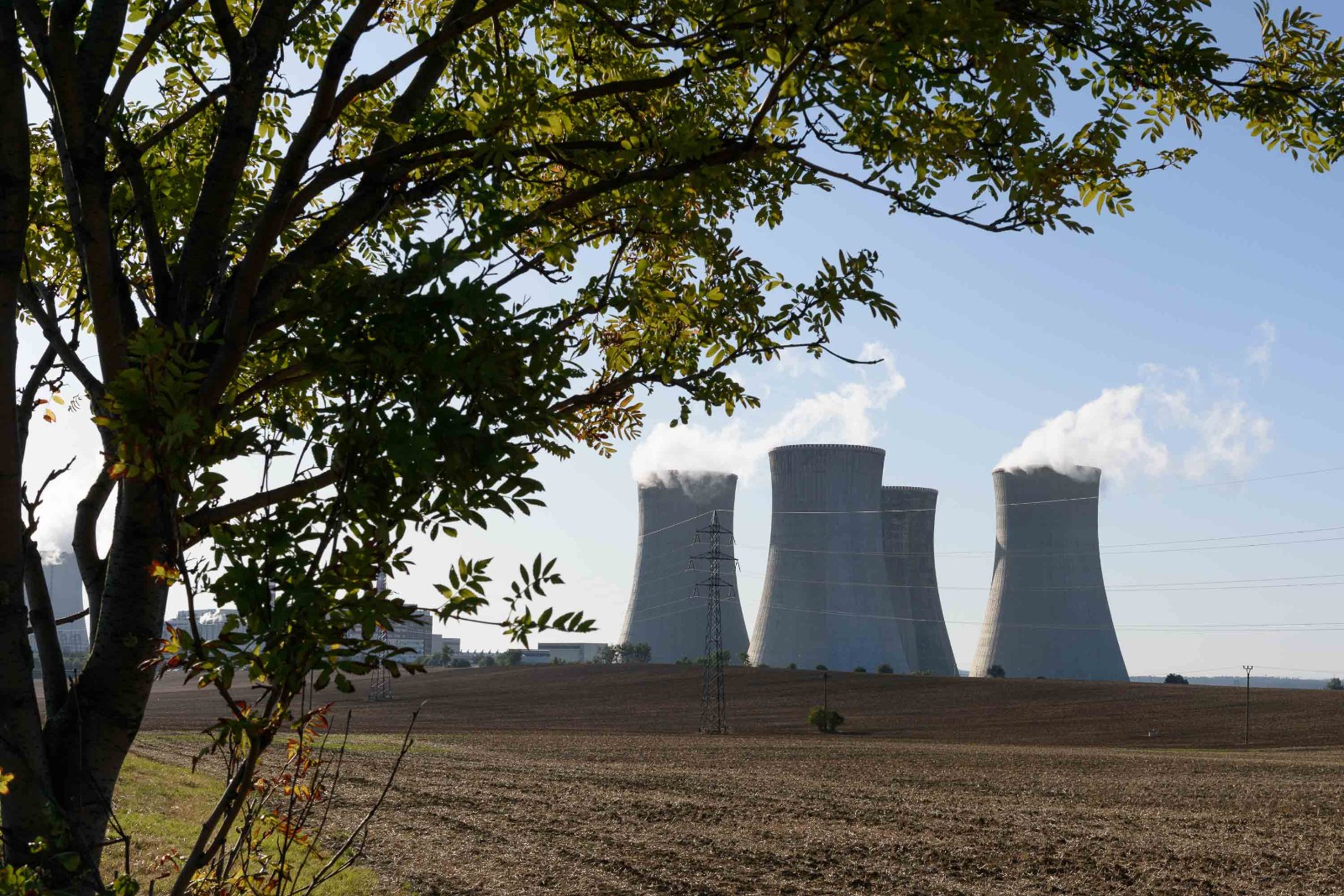
Czech nuclear safety officials say domestic nuclear power plants have sufficient cooling water for both existing and new units
Droughts across parts of Europe are affecting the operation of some nuclear power plants. Due to low water levels and flow rates in the Danube River, two reactors at Romania's Cernavodă Nuclear Power Plant have been shut down, and Hungary's Paks Nuclear Power Plant also faces the risk of a complete shutdown. Štěpán Kochánek, Chairman of the Czech State Office for Nuclear Safety (SÚJB), stated that plant operators should not be allowed to continue operating units at full power when cooling water is insufficient, and that related shutdown measures are conservative actions predefined in operating procedures. Kochánek explained that reactor shutdowns are not an unusually rare operation. Unit shutdown typically involves gradually reducing reactor power, inserting control rods, and bringing fission reactions to a minimal level or complete cessation. After shutdown, the reactor still requires cooling, but the demand for cooling water volume and capacity is significantly lower than during full-power operation. He noted that this process shares similarities with planned outages such as refueling overhauls and is a standardized procedure that operators should master.
2026-08-05

Zhang Yiming, Chairman of HTA: Tackling the "Last Mile" of Nuclear Pharmacy Network Delivery to Bring Domestic Radiopharmaceuticals to Patients in Western and County-Level Regions
On July 28, the 2026 Radiopharmaceutical Innovation and Development Conference was held in Taiyuan, Shanxi Province. Zhang Yiming, Party Committee Secretary and Chairman of HTA, told reporters that the company is restructuring its short half-life radiopharmaceutical delivery system through "regional layout + standardized logistics + grassroots empowerment," striving to ensure that cancer patients in western and county-level regions can access domestically produced radiopharmaceuticals within the drug's effective half-life window. Currently, multi-dimensional policy dividends are being continuously released, and China's radiopharmaceutical industry is entering a critical window of opportunity. Alpha nuclide drugs represent the future direction of therapeutic radiopharmaceuticals. Zhang Yiming introduced that HTA has already made early arrangements for drug research in this field, jointly conducting research on actinium-225 labeled...
2026-08-05

Russia Says Balkhash NPP Construction Will Boost Kazakhstan's Nuclear Energy Industry
Russian Deputy Foreign Minister Mikhail Galuzin recently stated that the construction of Kazakhstan's first nuclear power plant, the Balkhash NPP, will help the country establish a modern nuclear energy industry. Rosatom, Russia's state atomic energy corporation, is participating in the project as the lead party. Speaking at the plenary session of the Third Russia-Kazakhstan Media Forum, Galuzin said that Russia and Kazakhstan cooperate in multiple areas, with the Balkhash NPP being one of the recent collaborative projects. He noted that the plant will be built to a Russian design and, once completed, will provide a foundation for the development of Kazakhstan's nuclear energy industry. According to current plans, the Balkhash NPP project is scheduled to begin construction in 2027...
2026-08-04

Danube Water Levels Continue to Drop, Putting Pressure on Romania's Cernavodă Nuclear Power Plant Operations
Romanian official Sorin Lindasu said on August 1 that if the Danube River water level continues to decline, the Cernavodă Nuclear Power Plant in Constanța County, southeastern Romania, may only be able to continue operating for 4 to 5 days. To ensure the water level required for continuous plant operation, relevant parties have begun implementing hydraulic engineering works on the Danube. Lindasu stated that the Danube water level is currently dropping at a rate of about 2 to 3 centimeters per day. A flow rate of 1,590 cubic meters per second has been recorded at the Baziaș inlet where the Danube enters Romanian territory, and this figure is expected to continue declining, potentially falling to about 1,450 cubic meters per second by August 7. Under these conditions, Cernavodă...
2026-08-03

Philippine Lawmaker Says Nuclear Energy Could Ease Power Supply Pressure in Western Visayas
Mark Cojuangco, chair of the House of Representatives Committee on Nuclear Energy and representative of the Second District of Pangasinan, said on July 29 that if the Philippines adopts nuclear energy technology, the Western Visayas region could gain access to lower-cost and more stable electricity supply. Cojuangco noted that Iloilo and other parts of Western Visayas still rely heavily on coal-fired power, and the repeated power supply issues in recent years indicate the region needs more reliable and cost-controllable energy options. He is one of the principal authors of the Philippine National Nuclear Energy Safety Act (Republic Act No. 12305), which establishes a legal framework for the safe use of nuclear energy in the Philippines and provides for...
2026-08-01

Kazakhstan's National Nuclear Center Experimental Base Supports Nuclear Power Safety and Advanced Energy Research
On July 30, Vyacheslav Gnyrya, Deputy Director of the Institute of Atomic Energy at the National Nuclear Center of the Republic of Kazakhstan (NNC RK), presented the development of the center's experimental research base. He stated that Kazakhstan is leveraging existing research facilities to establish a scientific foundation for next-generation reactor technologies and controlled thermonuclear fusion energy research. According to the presentation, the NNC RK experimental base is a strategic scientific research infrastructure developed over decades in Kazakhstan, featuring research reactors, specialized test facilities, and materials science equipment capable of simulating conditions difficult to replicate in operating nuclear reactors, including the behavior of nuclear fuel, structural materials, and safety system components under high temperatures, intense irradiation, and transient conditions.
2026-07-31
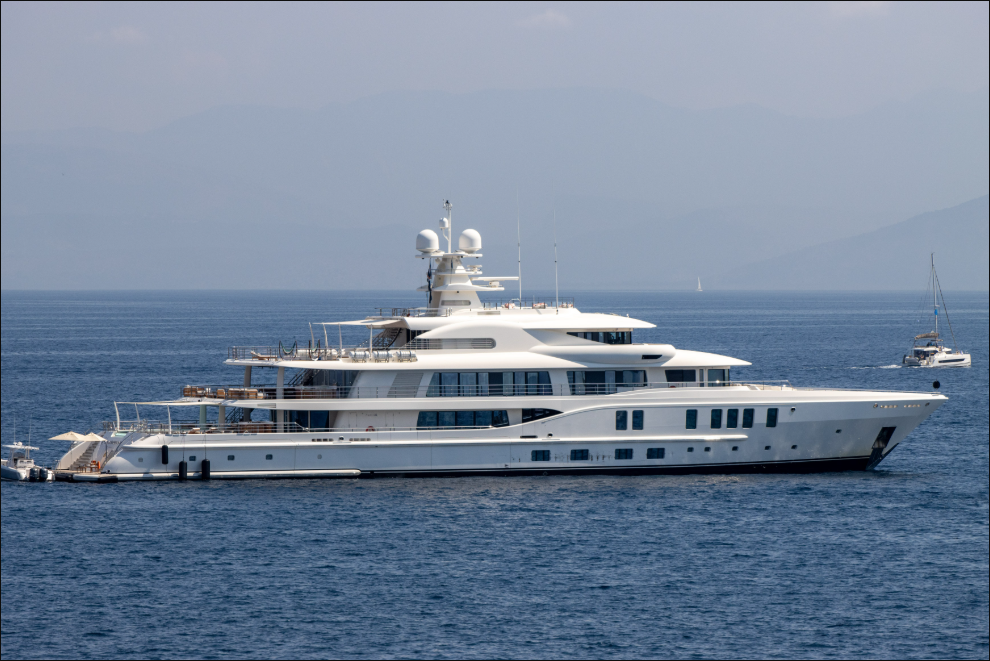
Superyacht Industry Explores Nuclear Power Transition, Calls for Early Safety and Regulatory Preparation
During the 2026 Monaco Energy Boat Challenge, the application prospects of nuclear propulsion technology in the superyacht sector became a focal point of industry discussion. Experts attending the event believe that although nuclear-powered superyachts still have a long way to go before commercial application, the relevant discussions are no longer confined to the conceptual stage. The industry needs to start preparing early on issues such as design, safety, operation, and regulation. Engel-Jan de Boer, Global Yacht Business Manager at the UK-based maritime professional services organization Lloyd's Register, stated during the conference that with the rapid development of maritime nuclear technology...
2026-07-30
Reading Ranking
- 1 Alexey Likhachev: The situation at the Zaporozhye Nuclear Power Plant is severe; the IAEA should not merely stop at recording attacks and issuing danger warnings
- 2 Shan Zhongde, Director of the China Atomic Energy Authority: China always adheres to the active, safe and orderly development of nuclear energy
- 3 TerraPower Plans to Deepen South Korean Supply Chain Cooperation to Advance K-Sodium SMR Business Model
- 4 Kazakhstan's Kazatomprom Says the Era of "Cheap Uranium" Is Fading
- 5 Jellyfish Blockage Forces Shutdown of French Nuclear Units; Experts Say Shutdown Demonstrates Effectiveness of Safety Systems
- 6 Preventive Power Reduction of Unit 5 at Bulgaria's Kozloduy NPP
- 7 World Nuclear Association expects global large-scale nuclear power construction spending to peak between 2041 and 2045
- 8 South Korea's semiconductor cluster adds about 21 GW of new power demand; government to study whether to build new nuclear units
- 9 Serbian President Says China to Participate in Uzbekistan's Second Nuclear Power Plant Project
- 10 Russia says all countries have the right to develop peaceful uses of nuclear energy
- 11 German Chancellor Links High Electricity Prices to Hasty Nuclear Phase-Out
- 12 South Korea Has Not Yet Decided Whether to Include New Nuclear Power in the 12th Basic Plan for Electricity Supply and Demand
- 13 Masayoshi Son: Nuclear Fusion Could Become Key to Powering Future AI Data Centers
- 14 Rosatom Says Russian Nuclear Plants Operate Stably During Summer Heat
- 15 Signed Article by Liu Mingsheng, Chairman and Party Secretary of State Power Investment Corporation (SPIC)