
Search Results
Keyword:3R

New Generation "Harmony System" and Other Technological Achievements Debut at the 23rd China-ASEAN Expo
At the five-day 23rd China-ASEAN Expo and China-ASEAN Business and Investment Summit, CGN showcased its innovative achievements in nuclear power, new energy, and digitalization under the theme "Smart Nuclear Powers Free Trade, Green Electricity Connects ASEAN." At the exhibition, CGN Digital Technology highlighted its independently developed Harmony System series products and their applications in the new energy sector, and used virtual reality technology to give visitors the opportunity to tour nuclear power plants. The Harmony System is hailed as the "nerve center" and "brain" of nuclear power plants. It is China's independently developed nuclear safety-class digital instrumentation and control system, and has now been widely applied to 34 nuclear power units nationwide, covering second- to fourth-generation nuclear power reactor types and technologies. Through the comprehensive iterative upgrading of the Harmony System, CGN Digital Technology has equipped it with a smarter, safer, and more economical "super intelligent brain," aiming to provide digital and intelligent empowerment for the full-cycle production and operation of nuclear power plants.
2026-09-22
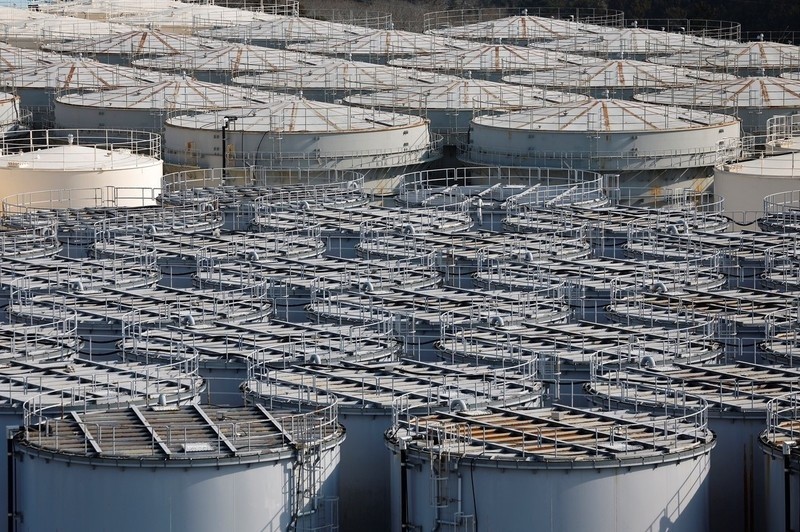
Fukushima Daiichi Nuclear Power Station begins 23rd discharge of treated nuclear-contaminated water
At 11:29 on August 31, Fukushima Daiichi Nuclear Power Station began its fifth discharge of treated nuclear-contaminated water in fiscal year 2026 and the 23rd overall. The operation is scheduled to last 19 days, concluding on September 18, with an estimated discharge of approximately 7,800 tonnes of nuclear-contaminated water diluted with seawater, equivalent to the capacity of about 8 storage tanks. The total tritium content is estimated at approximately 1.2 trillion becquerels. The reactors of Units 1 to 3 at Fukushima Daiichi still contain nuclear fuel that melted and solidified during the accident, known as fuel debris. Groundwater and rainwater that come into contact with this fuel debris form contaminated water. Since the discharge of treated nuclear-contaminated water began in August 2023, Fukushima Daiichi has cumulatively released approximately 173,000 tonnes, equivalent to about 173 storage tanks' capacity.
2026-09-01