
Search Results
Keyword:II

Hennessy Capital VII and ONE Nuclear Advance "Gas-to-Nuclear" Data Center Power Supply Plan
Hennessy Capital Investment Corp. VII and ONE Nuclear recently held a joint investor update to review the latest progress of their proposed business combination and disclosed ONE Nuclear's gas-to-nuclear strategy developed around the power supply needs of hyperscale data centers. According to relevant documents, the S-4 registration statement filed by both parties became effective on August 3, 2026, and Hennessy Capital VII has mailed the final proxy statement to shareholders of record as of July 31, 2026, for a vote on the business combination. ONE Nuclear stated that its business path will begin with behind-the-meter natural gas power generation to provide faster-deployable on-site electricity for data centers...
2026-08-21

Fire alarm triggered for sixth time in August at Japan's Fukushima Daiichi Nuclear Power Station; fire department confirms no fire occurred
At approximately 3:54 a.m. on August 21, a fire alarm was triggered on the first floor of the access control building at the Fukushima Daiichi Nuclear Power Station. Tokyo Electric Power Company (TEPCO) stated that no open flames or smoke were found near the site; shortly after 5:00 a.m., the fire department confirmed that the alarm was not caused by a fire. Readings from radiation monitoring stations around the plant also showed no significant fluctuations. This was the sixth fire alarm at the Fukushima Daiichi Nuclear Power Station since the beginning of August. Previously, the maintenance building for Units 5 and 6 triggered a fire alarm on August 8; the emergency diesel generator room for the high-pressure core spray system of Unit 6 triggered a fire alarm on August 12; the main administration building triggered a fire alarm on August 13...
2026-08-21
Trial lifting of damaged fuel assembly completed at Unit 2 of Japan's Fukushima Daiichi Nuclear Power Station
Tokyo Electric Power Company (TEPCO) announced on August 18 that a trial lifting of a damaged fuel assembly in the spent fuel pool of Unit 2 at the Fukushima Daiichi Nuclear Power Station has been completed. The assembly was damaged in a fall 45 years ago and was subsequently repaired with wire. This trial lifting was conducted to confirm whether it can be safely handled during the subsequent removal operation. A total of 615 fuel assemblies are stored in the Unit 2 fuel pool, including 587 spent fuel assemblies and 28 unused fuel assemblies. The removal work began on June 2, and the fuel assemblies will be transferred to the shared fuel pool within the plant site. As of August 17, 35 fuel assemblies had been removed. Despite interruptions during the operation, Tokyo Electric Power Company...
2026-08-20

Egypt Clarifies Safety Concerns over Dabaa Nuclear Power Plant: Project Implemented in Accordance with International Nuclear Safety Standards
The Egyptian Cabinet Media Center recently issued a statement responding to questions regarding the application of safety standards during the implementation of the Dabaa Nuclear Power Plant project. The statement said that the circulating content failed to accurately and balancedly reflect the actual situation of the project, and directly extrapolated certain engineering observations into issues of project safety and implementation efficiency, lacking the necessary technical and regulatory context. The Egyptian Nuclear Power Plants Authority stated that the construction of the Dabaa Nuclear Power Plant is proceeding in accordance with international nuclear safety standards, with all civil, engineering, and installation works executed in compliance with international quality requirements and subject to continuous inspections by the Authority's monitoring and supervision teams. Relevant works may only proceed to the implementation phase after completing regulatory procedures and obtaining the necessary approvals from the Egyptian Nuclear and Radiological Regulatory Authority...
2026-08-18

Rosatom Public Council holds expanded meeting in Novovoronezh
The Public Council of Rosatom recently held an expanded field meeting in Novovoronezh and organized a technical tour of the Novovoronezh Nuclear Power Plant (NPP) for its delegation. The event was timed to coincide with commemorative activities related to Unit 6 of the Novovoronezh NPP. The unit features a VVER-1200 reactor and is one of Russia's flagship Generation III+ nuclear power projects. The meeting was held online and chaired by Rosatom Director General Alexey Likhachev. Participants included representatives of Rosenergoatom, Russia's nuclear power operator, Rosatom, the Voronezh Region government, the city of Novovoronezh, as well as public, environmental, and research organizations. Representatives from the scientific community of Primorsky Krai also took part in the visit, as the region plans to develop nuclear energy projects in the coming years.
2026-08-18
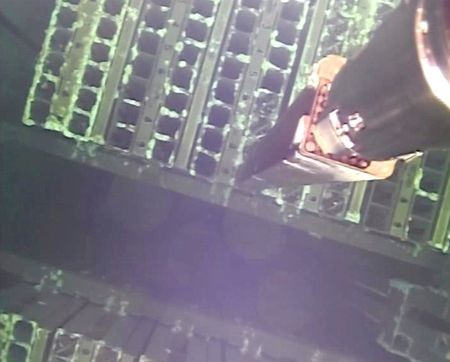
Removal of Highly Radioactive Spent Fuel Begins at Unit 2 of Fukushima Daiichi Nuclear Power Station
Tokyo Electric Power Company Holdings (TEPCO) said on August 17 that it has begun removing spent fuel assemblies with high radiation levels from the spent fuel pool of Unit 2 at the Fukushima Daiichi Nuclear Power Station in northeastern Japan, the site of a severe nuclear accident. Last month, TEPCO removed 28 unused nuclear fuel assemblies from the Unit 2 spent fuel pool. Compared with spent fuel, these unused fuel assemblies pose relatively lower risks. The company plans to complete the removal of spent fuel from Unit 2 by the end of fiscal year 2028. To date, the Unit 2 spent fuel pool contains a total of 587 spent fuel assemblies, of which TEPCO has completed the removal of...
2026-08-18

Safety measure costs after Japan's nuclear plant accident rise to at least 6.606 trillion yen
A survey of 11 Japanese electric power companies shows that the total cost of safety measures required for nuclear plants to meet new regulatory standards following the Fukushima Daiichi accident has reached at least 6.606 trillion yen. Affected by rising prices, this figure has increased slightly from the previous year. About half of the surveyed companies said that rising costs of materials, equipment, and construction have pushed up related expenses, and the total may continue to rise in the future. After the Fukushima Daiichi accident, Japan implemented new nuclear regulatory standards requiring plants to strengthen earthquake and tsunami protection and improve severe accident response measures. Related costs mainly include seawalls, emergency power supplies, filtered venting equipment, and...
2026-08-18
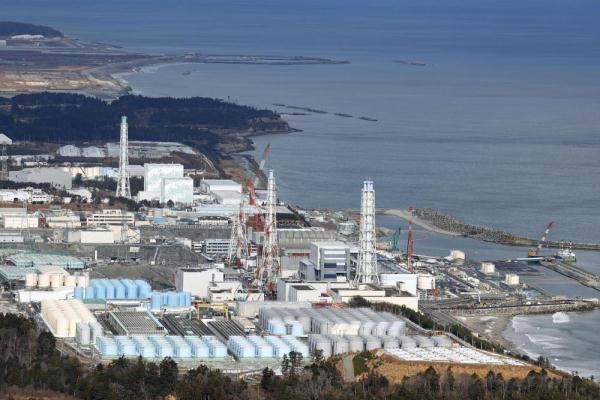
Fire alarm triggered for fifth time at Fukushima Daiichi Nuclear Power Station in August; no fire confirmed on site
At 7:14 a.m. on August 18, a fire alarm was triggered on the first basement floor of the turbine building of Unit 5 at the Fukushima Daiichi Nuclear Power Station. Tokyo Electric Power Company (TEPCO) stated that after fire department personnel arrived and conducted inspections, no fire was confirmed on site at 7:55 a.m. Readings from radiation monitoring stations around the plant showed no significant fluctuations. This was the fifth time a fire alarm had been triggered at the Fukushima Daiichi Nuclear Power Station since the beginning of August. Previously, related alarms had occurred on August 8 at the maintenance building for Units 5 and 6, on August 12 at the emergency diesel generator room for the high-pressure core spray system of Unit 6, on August 13 at the main administration building, and on August 15 at the southwest stairwell of the turbine building of Unit 5. After each of the above alarms was triggered, the fire department confirmed that no fire had occurred...
2026-08-18
22nd Round of Fukushima Daiichi Nuclear Power Station ALPS Treated Water Discharge Completed
Tokyo Electric Power Company (TEPCO) stated on August 17 that the 22nd round of ALPS treated water discharge from the Fukushima Daiichi Nuclear Power Station had been completed by the afternoon of the same day (local time). This round of discharge began on July 30, with a total of 7,888 tonnes of ALPS treated water released. According to information released by TEPCO, the total amount of radioactive tritium contained in the water discharged in this round was approximately 1.3 trillion becquerels. This is the 4th round of ALPS treated water discharge from the Fukushima Daiichi Nuclear Power Station in Japan's fiscal year 2026. Japan began discharging ALPS treated water from the Fukushima Daiichi Nuclear Power Station in August 2023. To date, 22 rounds of discharge have been carried out, with a cumulative discharge volume of approximately 173,000 tonnes...
2026-08-18
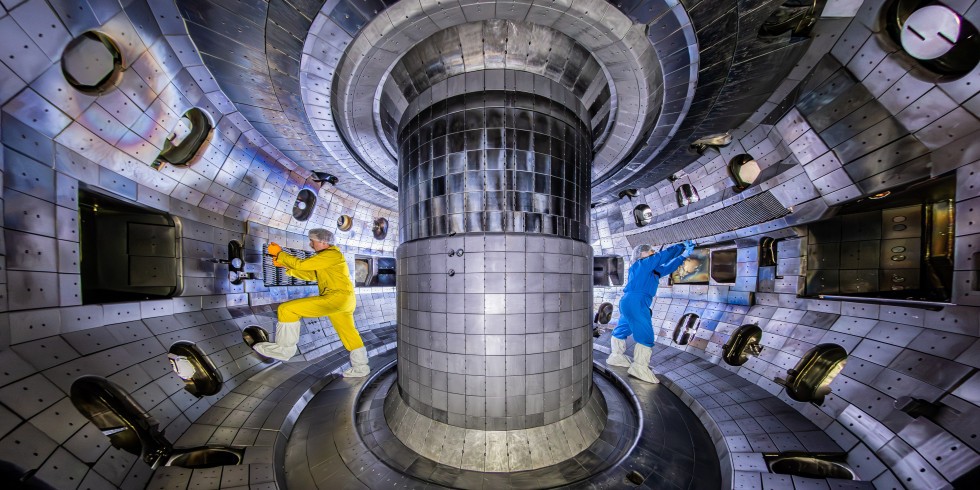
Machine learning framework predicts micro-displacements of DIII-D fusion device coils
Researchers at the U.S. Department of Energy's (DOE) Thomas Jefferson National Accelerator Facility (Jefferson Lab) and collaborating teams have developed a machine learning framework that can predict subtle changes in critical fusion device hardware before the next experiment begins. The method targets the DIII-D National Fusion Facility in San Diego, and the findings have been published in the journal Machine Learning with Applications. Interior of the DIII-D National Fusion Facility tokamak. (Image courtesy of General Atomics) DIII-D is a tokam...
2026-08-17

Sophelio Launches Fusion Equilibrium Challenge, Opening DIII-D and MAST Experimental Datasets
On August 11, Sophelio launched the Fusion Equilibrium Challenge. The competition has been accepted into the 2026 Conference on Neural Information Processing Systems (NeurIPS) competition track, making it the first fusion energy-related challenge to enter this track. The challenge is co-organized by Sophelio together with the DIII-D National Fusion Facility, the UK Atomic Energy Authority (UKAEA) FAIR-MAST project, and the Institute for Fusion Studies (IFS) at the University of Texas at Austin, with data hosted on the Hugging Face platform. Open to the global machine learning community, the competition re...
2026-08-12

Finland's Loviisa Nuclear Power Plant Launches Turbine Island Upgrade to Support Operation Until 2050
Finnish utility Fortum has launched a large-scale modernization project for the turbine island at the Loviisa Nuclear Power Plant. The project aims to increase the plant's electrical output and ensure the continued, safe, and reliable operation of both units through the end of 2050 under the new operating licenses. The Loviisa plant consists of two VVER-440 pressurized water reactor units and is Finland's first nuclear power plant, currently supplying more than 10% of the country's electricity. Unit 1 entered commercial operation in 1977, followed by Unit 2 in 1981, and the Finnish government approved the extended operating licenses in February 2023. The core of this upgrade is the modernization of the low-pressure turbines, which is the largest single undertaking in the Loviisa turbine island upgrade...
2026-08-12
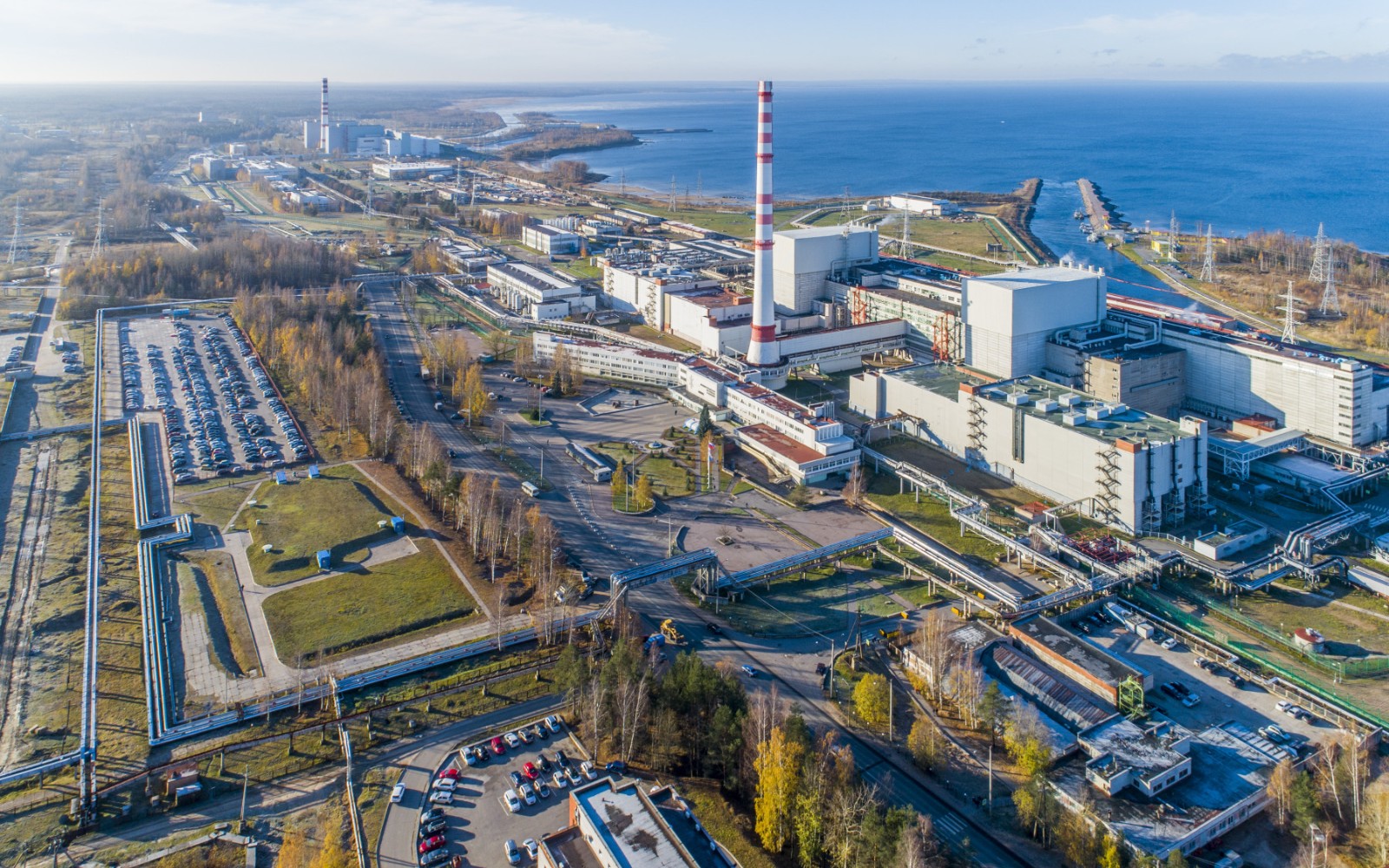
Unit 2 of Leningrad Nuclear Power Plant Phase II automatically shut down for equipment maintenance
At 21:45 local time on August 8, 2026, Unit 2 of Leningrad Nuclear Power Plant Phase II was shut down by the automatic system due to the need for thermal-mechanical equipment maintenance. After the maintenance work is completed, the unit will be reconnected to the grid. The shutdown was carried out in accordance with established procedures and design logic. The plant reported no violations of safe operation limits or operating conditions for any of the units. Currently, RBMK-1000 Units 3 and 4 of Leningrad Nuclear Power Plant, as well as Unit 1 of Phase II, are operating normally and carrying electrical loads in accordance with the dispatch schedule. RBMK-1000 Units 1 and 2 are in the preparation stage for decommissioning...
2026-08-10
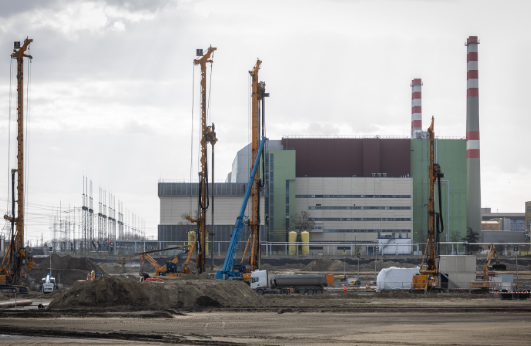
Hungary's New Government Questions Paks II Nuclear Project, Audit Dissatisfaction May Lead to Contractor Replacement
Hungary's new government (Prime Minister Péter Magyar) has continued to send unclear signals regarding the Paks II nuclear power plant expansion project contracted to Russia's Rosatom, bringing this major energy project involving the Russian state nuclear corporation back into the spotlight. The government is dissatisfied with the interim results of the contract audit and has hinted that Budapest does not rule out the possibility of replacing the contractor. The Paks II project was originally regarded as a key component of Hungary's long-term energy security strategy. Nuclear power holds fundamental significance for Hungary's electricity supply, and the expansion of the Paks nuclear plant was also seen as a measure to reduce energy import pressure and stabilize electricity prices.
2026-08-10

PETRA III Synchrotron Radiation Study Reveals New Clues to Aging Mechanisms of the Uterine Broad Ligament
Austrian and German research teams recently used the PETRA III facility at the German Electron Synchrotron (DESY) to conduct X-ray analysis of the broad ligament, an important ligament supporting the uterus, providing new biomechanical clues for understanding the mechanisms of pelvic organ prolapse. The findings were published in *Acta Biomaterialia*. Pelvic organ prolapse is a common but poorly understood issue in women's health, affecting approximately 40% of women, and predominantly occurring in the latter half of life. Medical researchers have previously speculated that age-related loosening of the ligaments surrounding the uterus may be a significant contributing factor to prolapse. The broad ligament connects the uterus to the pelvic wall, and its strength and elasticity primarily derive from collagen...
2026-08-09