
Search Results
Keyword:Kola
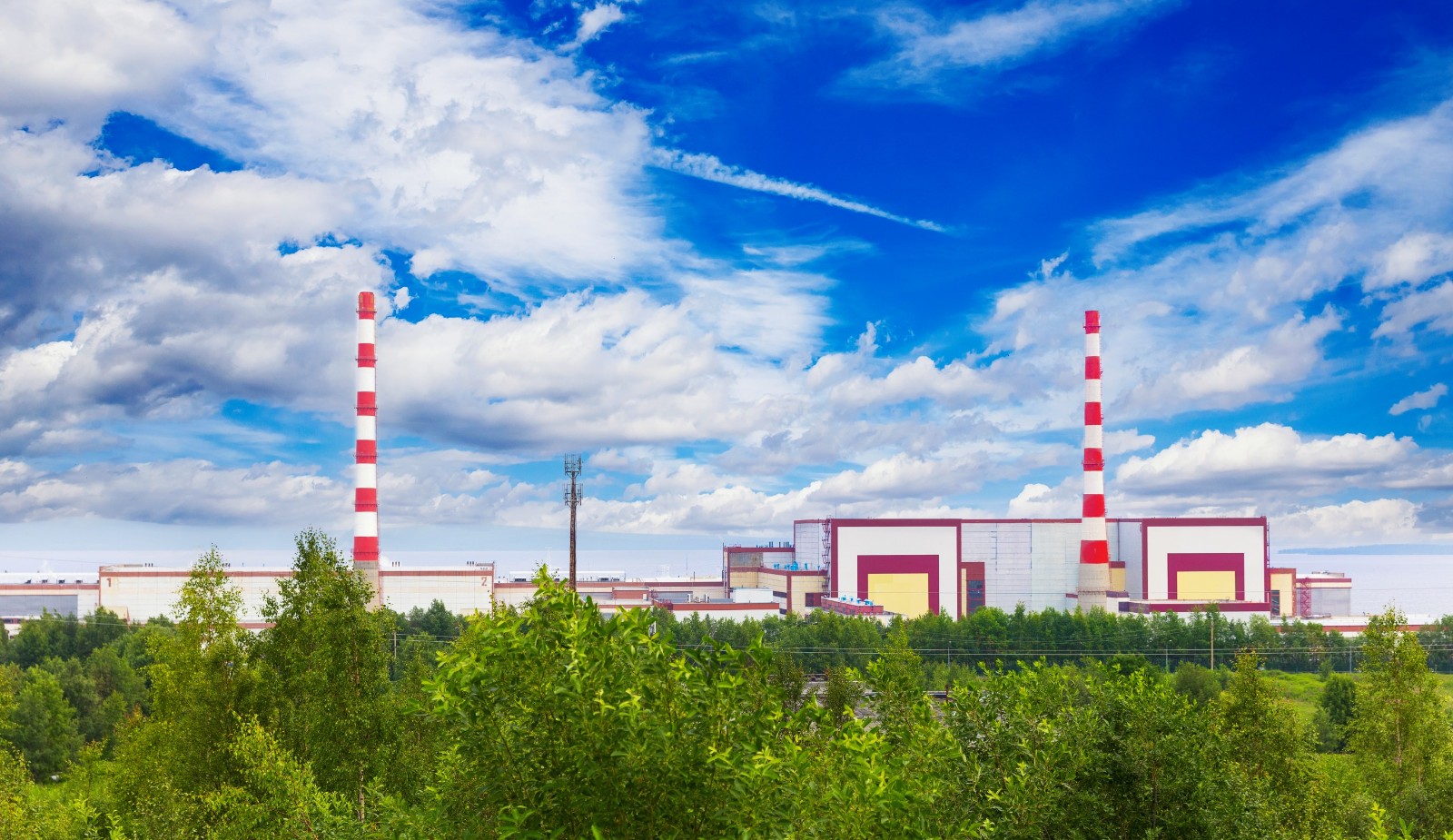
Russia's Kola NPP Launches Construction of Nuclear-Powered Hydrogen Production Pilot Complex
Kola NPP, a subsidiary of Rosatom, has commenced construction of a hydrogen production pilot test complex within its site, with the project scheduled for completion next year. The complex will be used to validate large-scale water electrolysis hydrogen production technology, as well as technical routes related to hydrogen handling, storage, and transportation. A key feature of the project is the use of low-carbon electricity supplied by the nuclear power plant to reduce the dependence of the hydrogen production process on hydrocarbon fuels. According to the design, the pilot test complex will have a hydrogen production capacity of 200 standard cubic meters per hour. The project will be implemented in two phases: the first phase will involve commissioning an electrolysis unit with a capacity of 50 standard cubic meters per hour and constructing hydrogen storage...
2026-09-03

Russia's Kola NPP Completes 2026 Maintenance Program
Unit 2 of Russia's Kola Nuclear Power Plant was reconnected to the grid at 15:58 Moscow time on August 31, 2026, following the completion of scheduled preventive maintenance and partial modernization. This marked the conclusion of the plant's 2026 maintenance program. It was also the first time since the plant's commissioning that the annual maintenance plan was completed during the summer season. The maintenance of Unit 2 lasted 29.5 days. During this period, plant personnel and contractors performed medium repairs and related maintenance on key equipment, covering multiple areas including the reactor building, turbine hall, and electrical systems. In the reactor building, the scope of work included major repairs of some steam generators, main circulation pumps, and primary circuit piping, as well as nuclear fuel reloading, reactor assembly disassembly, and in-vessel component maintenance. In the turbine hall, workers completed repairs of the turbine-generator unit, circulation pumps, low-pressure heaters, and moisture separator reheaters. The electrical scope included repairs of transformers and diesel generators.
2026-09-02
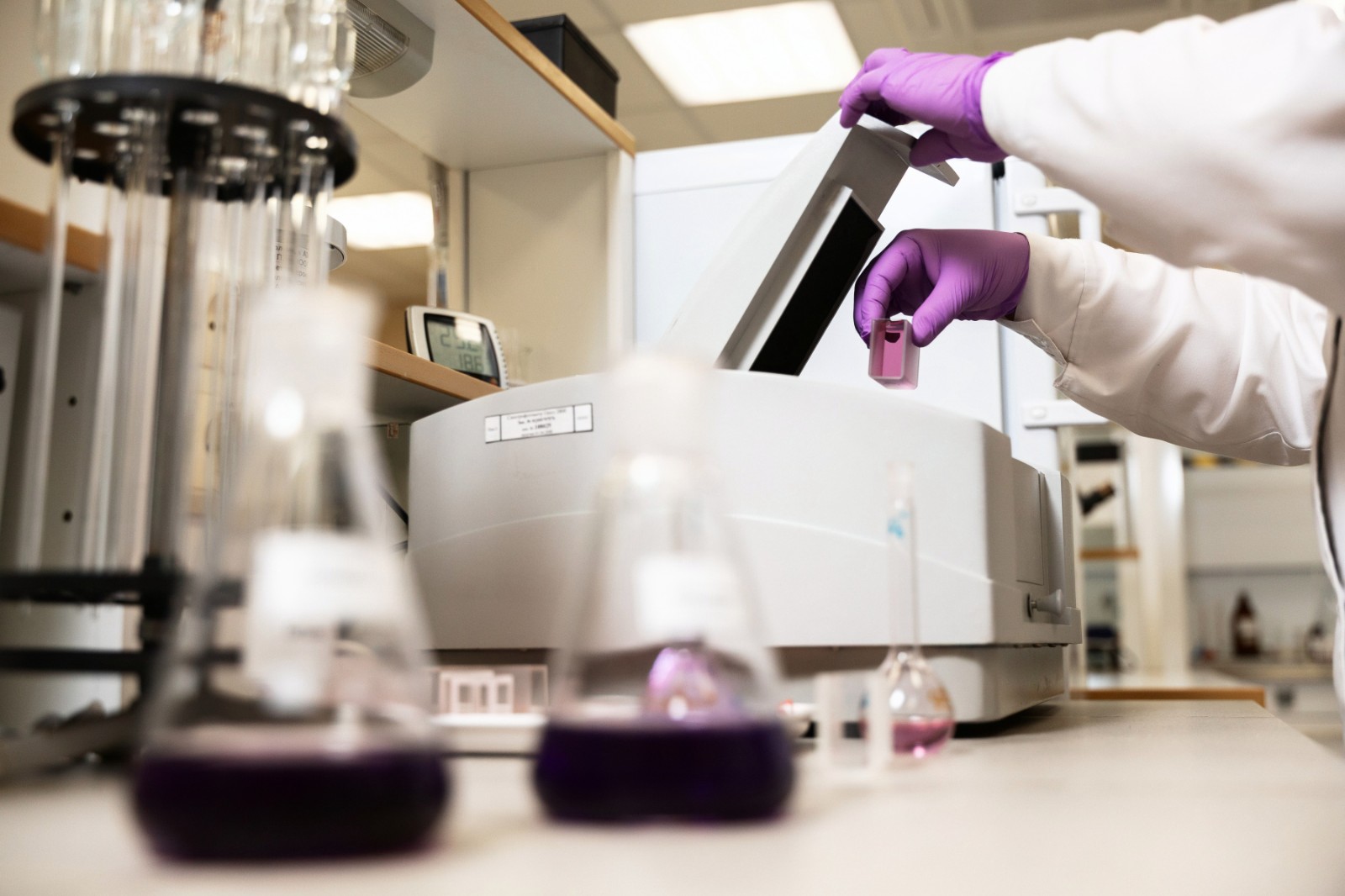
Environmental Monitoring Laboratory of Russia's Kola NPP Completes Interlaboratory Comparison Tests
The production environmental monitoring laboratory of the environmental protection department at Russia's Kola Nuclear Power Plant (Kola NPP) has recently completed interlaboratory comparison tests and received the corresponding certificate and conclusion documents for participation in the proficiency testing program. The comparison tests demonstrated that the laboratory's chemical analysis results meet the requirements and that the relevant measurement data are reliable. In June 2026, the Kola NPP production environmental monitoring laboratory received wastewater and natural water samples. Laboratory personnel were required to determine the concentrations of 8 target indicators within permissible error limits. The test results showed that the laboratory completed the specified tasks and the measurement results met the requirements. Natalya Smirnova, head of the Kola NPP production environmental monitoring laboratory...
2026-08-30

Long-term radiation environment at Kola NPP remains under control: gamma dose rates within natural background levels, 15 permanent observation stations operating since 1972
Long-term monitoring results from the external radiation monitoring group at Russia's Kola Nuclear Power Plant show that gamma radiation dose rates around the plant site have consistently remained within natural background radiation levels, with radionuclide concentrations matching background values, indicating a sound radiation environment with no differences from surrounding areas. The station's radiation safety department collects surface water samples from the discharge canal monthly, with monitoring coverage encompassing all elements including the atmosphere, snow cover, bottom sediments, food products, algae, berries, mushrooms, and caged fish. The monitoring architecture consists of two tiers: 15 permanent environmental observation stations have been in continuous operation since before the commissioning of the first reactor unit in 1972; 13 ASKRO automated radiation environment monitoring system stations provide real-time ground-level gamma dose rate data, which is transmitted directly to the Rosenergoatom crisis center and integrated into the national unified radiation monitoring network. Approximately 200,000 cubic meters of air are drawn weekly through air filtration units to capture radionuclides, with volumetric activity of radioactive iodine also measured. A mobile radiological laboratory performs on-site spectrometric analysis. Annually, about 1,200 environmental samples are collected from around the plant site and delivered to the Polyarnye Zori laboratory, where well water samples analyzed by Canberra spectrometers yield "zero nuclide" results, with samples retained for one year for potential re-analysis. Biological samples are processed using the ashing method, and instrument sensitivity is sometimes insufficient to even detect any signal from the plant's impact.
2026-08-14
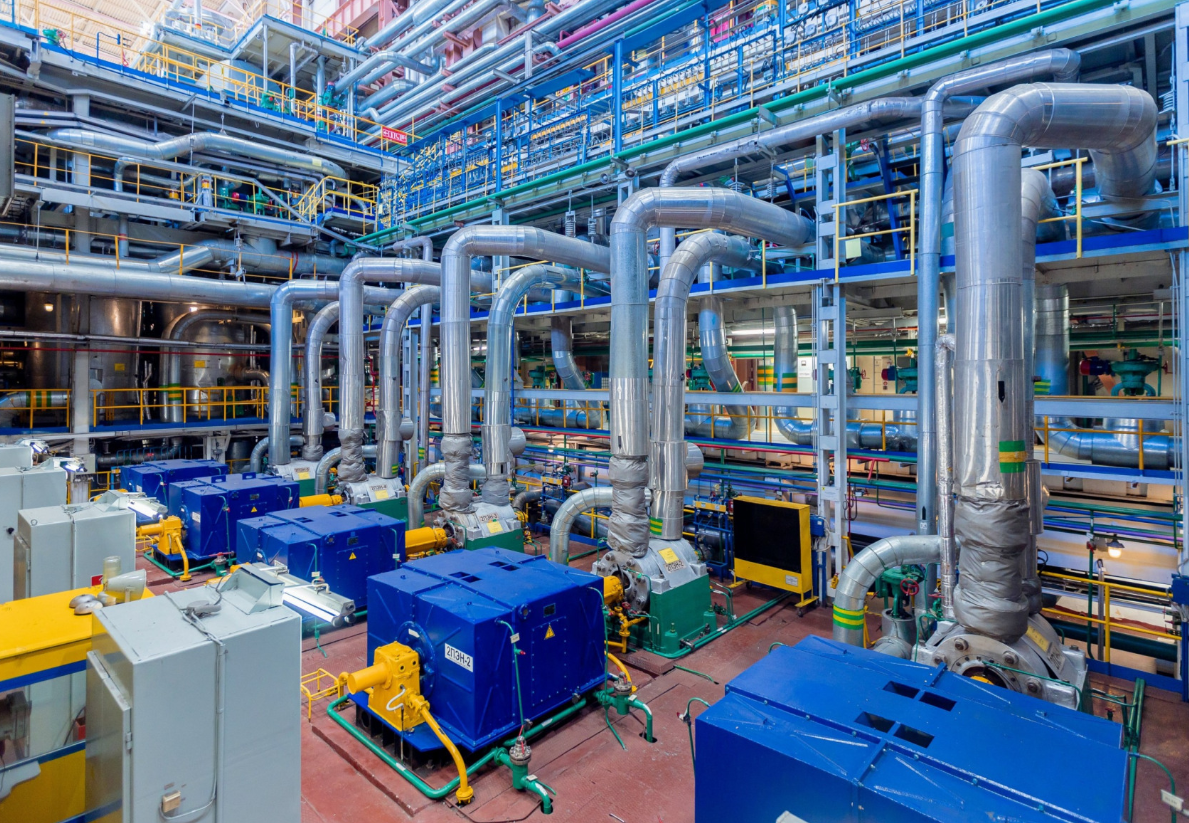
Unit 2 of Kola NPP begins 30-day scheduled preventive maintenance
On August 2, 2026, Unit 2 of the Kola Nuclear Power Plant launched scheduled preventive maintenance (SPM) incorporating modernization elements, expected to last approximately 30 days. During this mid-cycle overhaul, specialists will carry out extensive work on critical equipment. In the reactor shop, major repairs will be performed on part of the steam generators, main circulation pumps, and primary circuit piping. Plans also include disassembly and reassembly of the reactor plant, nuclear fuel replacement, and repair of the reactor internals and safety system equipment. In the turbine shop, turbine units, turbogenerators, circulation pumps, low-pressure heaters, and separators-superheaters will be repaired. On the electrical side, transformers and diesel generators will undergo maintenance. Additionally, upgrades are planned for the automatic chemical control system of the primary coolant and the DC power distribution panels for the entire station and individual units.
2026-08-04

Construction of Kola Nuclear Power Plant Phase II Starts in Murmansk Region
On July 29, Murmansk Region Governor Andrey Chibis announced the start of construction of the Kola Nuclear Power Plant Phase II, located near the town of Polyarnye Zori in the region. Chibis stated that the Kola NPP is the most powerful nuclear power plant north of the Arctic Circle, having supplied energy to the Arctic region for over half a century. The newly launched Phase II project is situated adjacent to the existing plant, with a planned installed capacity of 1,200 megawatts. He noted that the Kola NPP Phase II is the second major energy facility built in the Murmansk Region in the past seven years, and will provide energy support for key regional projects over the coming decades, including the construction of new production facilities, mining projects, and the development of the trans-Arctic transport corridor and the resource base of the Northern Sea Route.
2026-07-30