
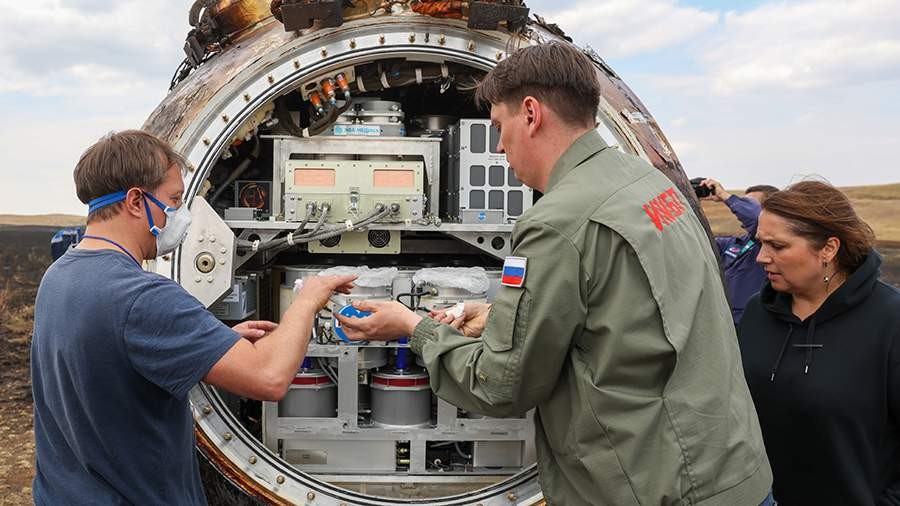
Russia's Bion-M 3 spacecraft planned for launch in 2030 to study effects of cosmic radiation on living organisms
Russia plans to launch the new Bion-M 3 spacecraft in 2030 to study the effects of cosmic radiation on living organisms under conditions similar to deep space. Vladimir Sychev, a senior official at the Institute of Biomedical Problems of the Russian Academy of Sciences, presented the plan at a meeting of the Presidium of the Russian Academy of Sciences' Space Council on August 4. Sychev stated that cosmic rays, solar proton events, and their effects on the human body are critical issues that must be understood when planning long-term interplanetary crewed missions. Participants have endorsed the draft scientific research program for the spacecraft's flight testing. According to the plan, Bion-M 3 will be placed into a polar orbit at an altitude of approximately 800 kilometers...
2026-08-14

Russia's SKIF Synchrotron Radiation Facility Hailed as a Milestone for Russian Science
On August 13, Russian President Vladimir Putin visited the Koltsovo Science City in Novosibirsk to learn about the operating principles of the Siberian Circular Photon Source (SKIF), a shared-use center. This center is the first facility in a network of modern synchrotron radiation sources being built in Russia, with construction efforts incorporated into the national development program for synchrotron and neutron research and related research infrastructure, covering the period through 2030 and beyond. It was reported that SKIF, with its high-brightness, high-intensity X-ray beams, can serve high-level research in fields such as chemistry, physics, materials science, biology, geology, archaeology, and paleontology. Officials also noted that...
2026-08-14
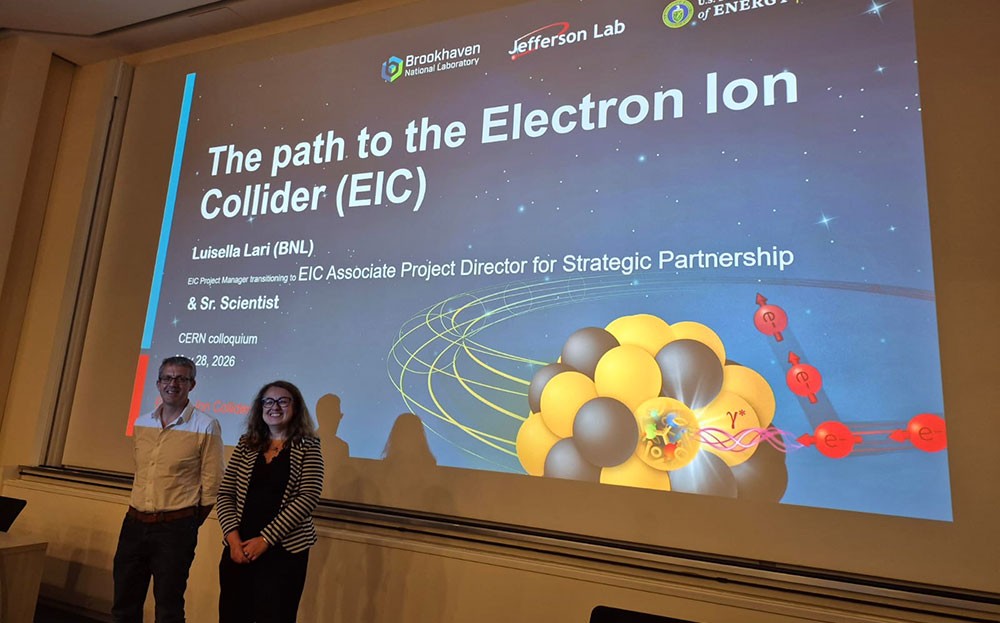
EIC and CERN Strengthen Cooperation to Advance International Scientific Exchange for the Electron-Ion Collider
August 12, 2026 - The collaboration between the Electron-Ion Collider (EIC) project and the European Organization for Nuclear Research (CERN) is deepening further. On May 28, CERN hosted a workshop themed around the EIC to introduce the project's scientific goals, construction progress, and future research opportunities to its international scientific community. Luisella Lari (right), Deputy Director for Strategic Partnerships of the Electron-Ion Collider (EIC) project, poses with Matthew Chalmers, organizer of the CERN lecture series, after delivering a talk titled "The Road to the Electron-Ion Collider" at CERN. Luisella Lari, senior scientist on the EIC project, delivered a talk titled "The Road to the Electron-Ion Collider" at the workshop.
2026-08-13
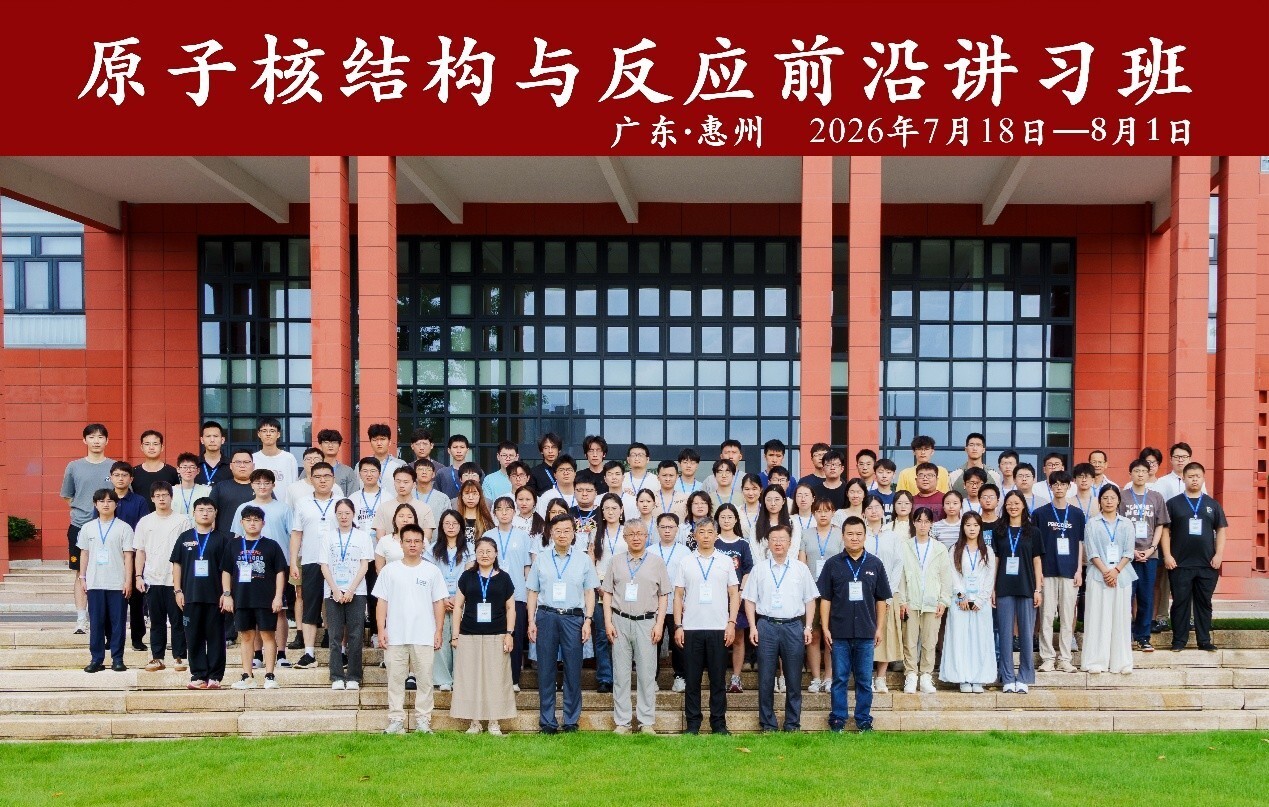
"Frontier Workshop on Nuclear Structure and Reactions" Successfully Held at the Institute of Modern Physics, Chinese Academy of Sciences
From July 18 to August 1, the Institute of Modern Physics of the Chinese Academy of Sciences hosted the Frontier Workshop on Nuclear Structure and Reactions. Funded by the Special Fund for Theoretical Physics of the National Natural Science Foundation of China, the workshop attracted 89 young faculty members, postdoctoral researchers, and graduate students from over 30 universities and research institutions nationwide. Twenty-one experts in nuclear physics were invited to give lectures, totaling nearly 80 class hours. Academician of the Chinese Academy of Sciences and President of East China Normal University, Professor Ma Yugang; Academician of the Chinese Academy of Sciences and Professor at Tsinghua University, Zou Bingsong; Director of the Institute of Modern Physics, Professor Sun Zhiyu; as well as representative lecturers Professor Ye Yanlin and Professor Yang Xiaofei from Peking University...
2026-08-13

U.S. Company Proposes Americium-241 Radioisotope Heating Solution for Spacesuits, Receives Early NASA Research Support
U.S.-based Zeno Power Systems has proposed a radioisotope heating concept for lunar extravehicular activities, planning to use Americium-241 (Am-241) to provide continuous passive warmth for astronauts during lunar nights and in permanently shadowed regions. The proposal has been selected for this year's NASA Innovative Advanced Concepts (NIAC) program, with the potential to receive up to $175,000 in early-stage research funding. The lunar surface environment is one of the key challenges for long-duration crewed missions. Data shows that lunar nights can last approximately two weeks, and extreme low temperatures will limit the duration of astronaut extravehicular activities in shadowed areas and at night. Even with new-generation spacesuits, their cold resistance remains limited...
2026-08-13

25 experimental stations of the PIK high-flux nuclear reactor at the Kurchatov Institute to be commissioned in December 2026
At a meeting of the Science and Education Committee, Mikhail Kovalchuk, Director of the National Research Centre "Kurchatov Institute," announced that 25 experimental stations of the PIK high-flux nuclear reactor at the Konstantinov Nuclear Physics Institute in Gatchina, Leningrad Oblast, Russia, will be commissioned in December 2026. According to reports, the project is being implemented pursuant to a presidential decree. Currently, construction of these 25 experimental stations is nearing completion, and the associated waveguide hall is planned to open in December of the same year. As a large-scale research facility, the PIK reactor will provide experimental conditions for related nuclear physics research once its experimental stations are commissioned...
2026-08-13

Third International Nuclear Science Olympiad Held in Saudi Arabia
From August 2 to 9, 2026, the Third International Nuclear Science Olympiad was held in Jeddah, Saudi Arabia. Sixty secondary school students from 19 countries participated, joining team leaders and representatives from academia and nuclear research institutions for a week of scientific competition, hands-on learning, and cultural exchange activities. The Third International Nuclear Science Olympiad (INSO) was held from August 2 to 9, 2026, in Jeddah, Saudi Arabia, with 60 participants and representatives from academia and nuclear research institutions. (Image: Mawhiba) The event was hosted by the King Abdulaziz and His Companions Foundation for Giftedness and Creativity, in cooperation with the Saudi Ministry of Education,...
2026-08-13

IAEA Expert Team Acknowledges Safety Progress of Philippine Research Reactor
The International Atomic Energy Agency (IAEA) conducted a follow-up Integrated Safety Assessment of Research Reactors (INSARR) mission to the Philippine Research Reactor-1 (PRR-1) Subcritical Assembly for Training, Education and Research (SATER) facility in Quezon City, approximately 10 kilometers northeast of Manila, Philippines, from August 10 to 12, 2026. The review was conducted at the request of the Philippine Nuclear Research Institute (PNRI) to examine the implementation status of safety recommendations made during the initial INSARR mission in 2023. The mission team consisted of two experts from Romania and the United States, along with one IAEA official. During the visit, they conducted an on-site inspection of the assembly facility, reviewed relevant documents, and engaged with the facility's management, operations, and technical staff...
2026-08-13

Full-Process Commissioning of Major Marine Isotope Separation Pilot Facility
Shanghai Jiao Tong University's Changxing Ocean Laboratory is dedicated to building a quasi-industrial research platform for high-end marine equipment. The Marine Isotope Separation Applied Research Center, focusing on the industrial context of isotope production, separation, and application, and supported by the ministerial-level Isotope Separation Science and Technology Center, conducts research and development of key isotope separation technologies and engineering equipment for Generation III reactors, Generation IV reactors, and fusion reactors, establishing an innovative platform integrating R&D, testing, validation, data, and technical services. Major research facility: Recently, the construction of the hundred-ton-per-year light water hydrogen isotope separation pilot platform has achieved phased results, with the system facility undergoing full-process commissioning. The platform adopts a self-developed water distillation coupled with cryogenic hydrogen isotope separation process, achieving large-scale efficient separation and enrichment of hydrogen isotopes from light water. The platform's outcomes hold broad engineering application value in fields such as pressurized water reactor wastewater treatment, deuterium-tritium isotope separation, fusion tritium plant operation, and heavy water/heavy hydrogen production. At 18:00 on August 4, 2026, at the Marine Isotope Separation Applied Research Center of Changxing Ocean Laboratory, the hundred-ton-per-year light water hydrogen isotope separation pilot facility was commissioned through its full process! The commissioning and operation of this pilot facility was undertaken by the Marine Isotope Separation Applied Research Center, with all departments coordinating collaboratively, making meticulous arrangements, and dedicating full efforts. During the operation, the team successively overcame multiple challenges including tight schedules, heavy workloads, and persistent high temperatures. This achievement not only fully validated the stability and reliability of the process platform but also demonstrated the researchers' responsibility and commitment in rising to challenges and persevering diligently. In the next phase, the project technical team will continue to deepen process optimization based on existing achievements, focus on advancing continuous and stable facility operation, accelerate engineering application, and provide strong support for breakthroughs in key core technologies in China's hydrogen isotope separation field.
2026-08-13

Australia's OPAL Multipurpose Reactor Marks 20 Years of Operation: Supporting Nuclear Medicine, Industrial Silicon Irradiation, and Neutron Science
The OPAL multipurpose reactor at the Lucas Heights campus of the Australian Nuclear Science and Technology Organisation (ANSTO), located south of Sydney, has marked the 20th anniversary of achieving first criticality. On August 12, 2006, OPAL achieved a self-sustaining controlled nuclear chain reaction, marking the facility's transition from the construction phase to the scientific operations phase. ANSTO stated that over the past 20 years, OPAL has become one of Australia's key nuclear science infrastructures, serving multiple fields including medicine, industry, and scientific research. OPAL is not a power reactor and is not used for electricity generation. According to available information, Australian federal law and relevant state and territory legislation prohibit the construction of nuclear power reactors, fuel fabrication, and waste disposal facilities. Unlike power reactors used for...
2026-08-12

Kazakhstan's National Nuclear Center Advances Material Testing Research for Future Reactors
On August 11, the National Nuclear Center of the Republic of Kazakhstan presented its progress in research on structural materials for advanced reactors. Yerzhan Ernatuly Sapataev, head of the Radiation Materials Science Laboratory at the center's Institute of Atomic Energy, stated that the development of next-generation reactors and fusion technologies has imposed higher requirements on structural materials in terms of high-temperature resistance, radiation tolerance, and corrosion resistance, and that material reliability will directly determine the safety and service life of future nuclear energy systems. Materials inside future reactors typically need to...
2026-08-12

Functional Magnetic Resonance Imaging Reveals Mechanism of Canine Brain Recognizing Human Negative Emotions
August 11 news, Hungarian ethologists from Eötvös Loránd University, in collaboration with researchers from the University of Vienna in Austria and the National Autonomous University of Mexico, used functional magnetic resonance imaging (fMRI) to study how canine brains process human facial emotions. The related paper was published in iScience. The research team designed two experiments. To avoid the influence of dogs' emotional responses to familiar people on the results, facial photos of strangers were used in the experiments. The first experiment included 8 dogs aged 18 to 53 months, including 6 Border Collies, 1 Labrador Retriever, and 1 Golden Retriever. The dogs remained in a stationary position in the scanner and could leave the device at any time. The experiment first compared happy and neutral human face images...
2026-08-12
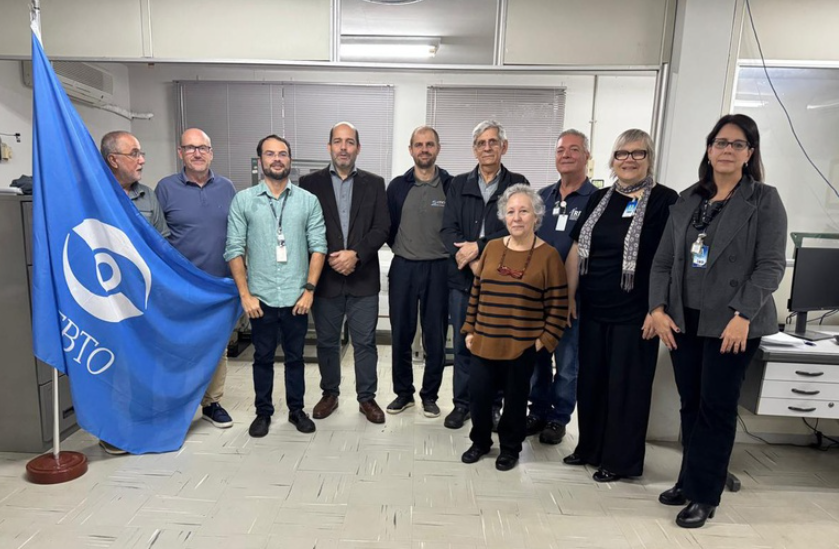
Brazil's IRD Radiometric Metrology Laboratory Receives CTBTO Certification, Joins International Nuclear Test Monitoring Network
The Radiometric Metrology Laboratory of Brazil's Institute of Radiation Protection and Dosimetry (IRD/ANSN) has recently received certification from the Comprehensive Nuclear-Test-Ban Treaty Organization (CTBTO), officially qualifying it to join the international verification system. The certification was granted following an on-site audit conducted by the CTBTO in Rio de Janeiro from June 16 to 25, marking the Brazilian laboratory as the 15th certified unit among the 16 treaty-designated radionuclide laboratories. The certification primarily confirmed that the laboratory meets CTBTO requirements in high-precision analysis, result reliability, data traceability, and standardization of technical procedures. The audit covered sample reception and preparation, equipment calibration, result interpretation,...
2026-08-12

Russia Approves Chinese Academy of Sciences' Accession to International Research Organization at PIK Reactor
Mikhail Kovalchuk, Director of the Kurchatov Institute National Research Centre in Russia, recently stated that Russia has approved the Chinese Academy of Sciences' accession to the International Centre for Synchrotron Radiation, Neutron and Laser Research, which is being established around the PIK high-flux research reactor. Speaking at a meeting of the Science and Education Committee held in Novosibirsk, Kovalchuk said that three Chinese institutions have successively submitted applications to join the international organization, with the application from the Chinese Academy of Sciences having completed review and received approval. In June of this year, he had indicated that the Chinese side was interested in participating in this international research cooperation mechanism. The PIK high-flux research reactor is located in Gatchina, Russia, and was developed by the Konstantinov Petersburg Nuclear Physics Institute...
2026-08-12

Russia's MEPhI Receives Over 1 Billion Rubles in Funding for Two Domestic Scientific Instrument Projects
The Russian Ministry of Science and Higher Education will allocate 2.81 billion rubles to support the development of eight types of domestically produced scientific research equipment. According to the results of an additional competitive selection, the funds are planned to be disbursed from 2026 to 2028, with six universities and research institutions set to receive support. Among them, the National Research Nuclear University MEPhI (Moscow Engineering Physics Institute) will receive the largest share, with two projects totaling slightly over 1 billion rubles in funding. Under the arrangement, MEPhI will receive 591 million rubles for the development of a tandem quadrupole time-of-flight mass spectrometer (QTOF MS), and an additional 433 million rubles for the atom probe tomography project. Both projects have previously been approved by the Russian Academy of Sciences and included in...
2026-08-12

Rosatom emphasizes computational infrastructure to support nuclear research facilities
On August 11, Alexey Likhachev, CEO of Rosatom, stated at a meeting of the Science and Education Council in Novosibirsk that Russia needs to develop a dedicated program to advance high-performance computing, artificial intelligence technologies, and supercomputer infrastructure to support the operation of large scientific facilities and related research tasks. Likhachev noted that Rosatom has developed a mathematical modeling system since the 1990s and built its own supercomputer network. He believes that a unified digital platform integrating artificial intelligence, computing based on new physical principles, and quantum technologies should be systematically developed as a key component of the nation's scientific and technological advancement...
2026-08-12

First batch of experimental stations at Russia's Siberian Circular Photon Source expected to be operational by end of 2026
On August 11, Russian President Vladimir Putin stated at a meeting of the Council for Science and Education that the first research stations of the Siberian Circular Photon Source (SKIF) synchrotron are expected to be commissioned by the end of 2026. At the meeting, Putin noted that the Siberian Circular Photon Source is currently one of the world's most powerful particle accelerators, with some parameters being unique, capable of helping researchers conduct in-depth studies of the structure of matter at the atomic and molecular levels. He also stated that Russia needs to accelerate the development of future technologies, concentrate efforts on priority tasks, and make more efficient use of national strategic scientific resources, including research institutions, advanced digital computing resources, and unique biological resources. The Siberian Circular Photon...
2026-08-12

Scientists from a small town in Uttar Pradesh, India, gain international recognition: exploring AI-assisted nuclear reactor control
Samendra Roy, a scientist and resident of Payagpur in the Bahraich district of Uttar Pradesh, India, along with his team, has recently attracted attention from the international academic community. The research focuses on the potential applications of artificial intelligence in the operation and control of nuclear reactors. The findings have been published in *npj Artificial Intelligence*, a journal under the Nature Publishing Group, marking the team's work's arrival on a prestigious international academic platform. The study primarily explores the role of agent-based physics-informed artificial intelligence in nuclear reactor control. The research team believes that during nuclear reactor operation, control systems often face complex environments and highly challenging decision-making scenarios, and AI technology is expected to play a significant role in the future in areas such as assisting judgment, optimizing control processes, and enhancing operational management capabilities.
2026-08-11
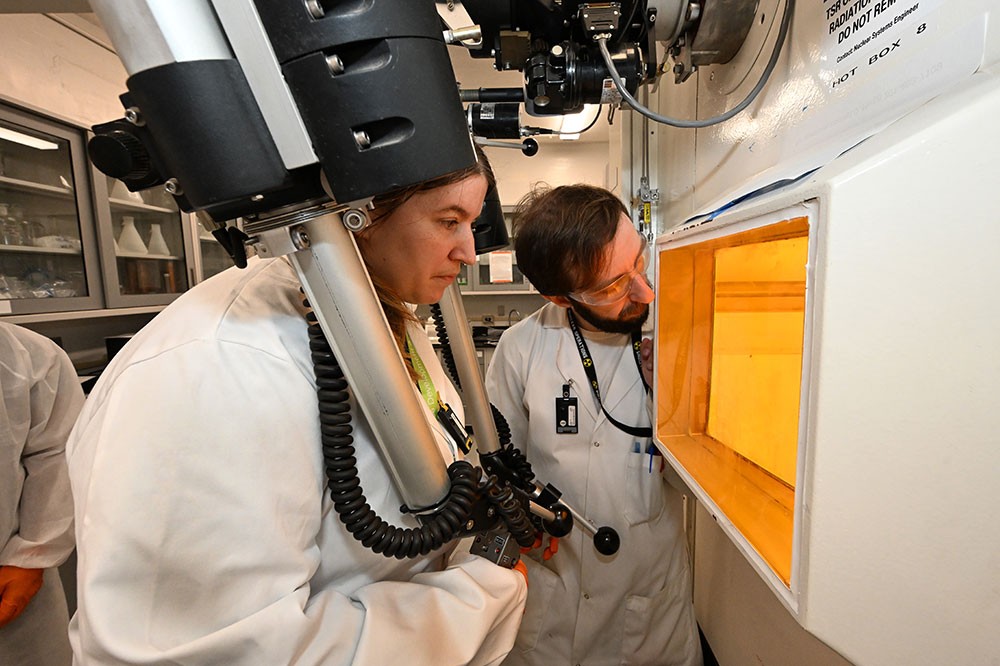
Brookhaven National Laboratory Pilots Training Program for Nuclear Technology and Radiochemistry Talent
The U.S. Department of Energy's Brookhaven National Laboratory and Suffolk County Community College (SUNY Suffolk) recently completed a pilot program to train talent in nuclear technology and radiochemistry. Eleven students and recent graduates completed one semester of coursework and three weeks of intensive laboratory training, becoming the first cohort to complete the Nuclear Technology and Radiochemistry Technician Pathway (NTRTP) program. SUNY Suffolk student Arin Morton (left) works under the guidance of mentor Michael Chimes at Brookhaven National Laboratory's Isotope Research and Production Division...
2026-08-11

The "13th Five-Year" Science and Education Infrastructure Cosmic Ray Physics Research and Detection Technology Platform Project Passed Acceptance
On July 29, 2026, the Finance Bureau of the Chinese Academy of Sciences organized the acceptance meeting for the Cosmic Ray Physics Research and Detection Technology Platform Project (hereinafter referred to as the Research Platform). The meeting was chaired by Wei Zichao, Director of the Investment and Infrastructure Projects Division of the Academy. Tan Zhouliang, Vice President and Member of the Party Leadership Group of the Chengdu Branch of the Chinese Academy of Sciences, and Liu Congzhan, Deputy Director of the Institute of High Energy Physics of the Chinese Academy of Sciences, delivered speeches respectively. Academician Cao Zhen, Project Manager of the Research Platform, gave an overall introduction to the project construction, and Researcher Zhang Shoushan of the project team presented a summary report on the project construction. Subsequently, the acceptance expert group inspected the construction and installation works on site, verified the procurement, installation, and operation of project equipment, and verified the completion of project investment...
2026-08-11

"Smashing Out" More New Particles Unknown to Humanity — Exploring the Upgraded Beijing Electron-Positron Collider After Its Second Renovation
Beside Yuquan Road in Beijing, beneath an ancient courtyard surrounded by lush greenery, lies a giant scientific facility shaped like a badminton racket — the Beijing Electron-Positron Collider. Inside this 240-meter-circumference ring-shaped device, electrons and positrons can be accelerated to near the speed of light and smashed head-on into each other. By studying the microscopic particles produced in these collisions, scientists explore the fundamental laws governing the microscopic world, verify existing physical theories, and search for unknown new particles. Recently, a reporter visited this facility to uncover the secrets of this national heavyweight that has just completed its second major upgrade. After this renovation, key indicators such as collision energy and collision luminosity have been significantly improved, achieving a historic breakthrough in core performance. Since its completion...
2026-08-11
Reading Ranking
- 1 German Research Team Completes First Phase Analysis of Chernobyl "Hot Particles": Nuclear Fuel Crystal Structure Still Exhibits Unexpectedly High Chemical Stability After 40 Years
- 2 Russian Scholars Analyze the Technical Secrets Behind the 2026 Nobel Prize in Physics: How IceCube Uses Photomultiplier Tubes to Capture Neutrino Tracks
- 3 Joint Institute for High Temperatures of the Russian Academy of Sciences Discovers a New Phase Transition in Cesium Plasma: Abrupt Conductivity Jump and a Rare Double Critical Point
- 4 The Chinese Academy of Sciences launches the "Scientific Frontier Extreme Breakthrough Program": the first batch deploys major tasks such as "new element synthesis," relying on large scientific facility clusters to push the limits of nuclear physics and materials science
- 5 Major Scientific Facility Enables Breakthrough in New Energy Materials: IHEP Leverages Beijing Synchrotron Radiation Facility to Reveal High-Efficiency Crystallization Mechanism of Perovskite, Sub-module Photoelectric Conversion Efficiency Reaches 22.9%
- 6 International Researchers Successfully Develop the First Autonomous Thorium-229 "Nuclear Clock": Featuring Ultra-Strong Interference Resistance and a Fully Autonomous Closed-Loop Stable Operation Mechanism
- 7 "Smashing Out" More New Particles Unknown to Humanity — Exploring the Upgraded Beijing Electron-Positron Collider After Its Second Renovation
- 8 Shanghai Institute of Applied Physics Makes Important Progress in Electrolyzer Design and Electrocatalytic Materials Research
- 9 Jiangmen Neutrino Experiment Targets Mass Ordering Challenge; Wang Yifang Says Expected to Be Resolved Within 3 to 5 Years
- 10 U.S. Research Team Discovers Strong Ultrafast Optical Response Induced by Ionizing Radiation, Potentially Advancing Medical Imaging and Sensing Technologies
- 11 Domestically Developed "Palm-Sized CT" Debuts: 6 kg Micro X-ray CT Enables 3D Non-Destructive Testing
- 12 State Nuclear Uranium Industry Achieves 100% Localization of Electron Linear Accelerator Development
- 13 IAEA Launches New Project to Enhance Nuclear Fuel and Materials Testing Capabilities in Research Reactors
- 14 U.S. STREAMLINE Project Advances Nuclear Quantum Many-Body Research with Artificial Intelligence
- 15 Russia masters production technology of ultra-pure germanium for gamma detectors