
Argonne National Laboratory Launches Diamond Quantum Sensor Project to Serve High-Energy Physics Electromagnetic Field Measurements
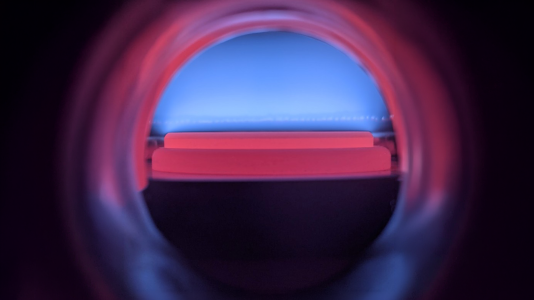
The U.S. Department of Energy's Argonne National Laboratory recently launched a new three-year, $1 million research project that plans to combine quantum information science with high-energy physics research to develop a new generation of quantum sensors based on diamond materials for higher-precision measurement and mapping of electromagnetic fields. Inside this plasma-filled vacuum chamber is the diamond substrate used to fabricate the diamond thin film (not shown in the image), within which the nitrogen-vacancy qubits are located. (Image courtesy of Nazar Delegan/Argonne National Laboratory.) In high-energy physics experiments, the precision of electromagnetic field measurements directly affects the reliability of experimental results. Whether analyzing the momentum of debris produced after particle collisions...
2026-08-18
German research team achieves ultra-compact plasma photocathode injection
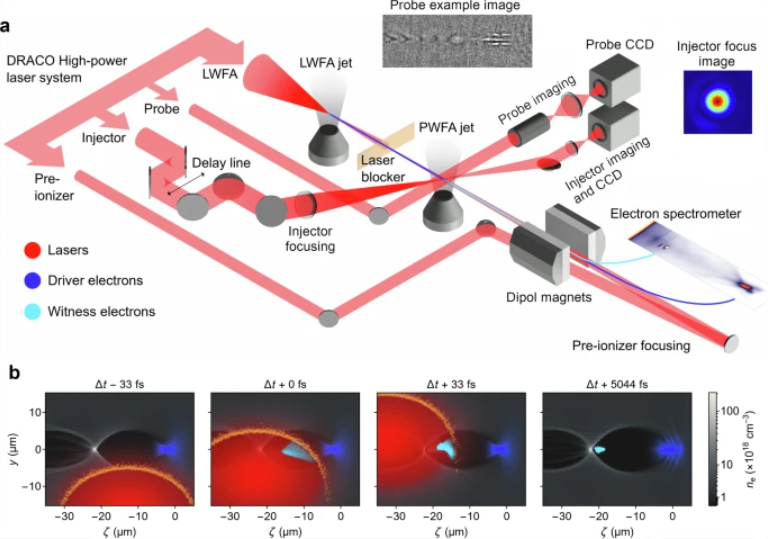
A research team from institutions including the Helmholtz-Zentrum Dresden-Rossendorf in Germany has demonstrated an ultra-compact plasma photocathode injection scheme integrated into a hybrid plasma wakefield accelerator on the DRACO laser facility. The study utilized a 150 TW-class laser system to drive a laser wakefield accelerator (LWFA), generating high-peak-current electron beams, which in turn drove a subsequent particle beam wakefield accelerator (PWFA), completing the generation and acceleration of witness electron beams within millimeter-scale plasma structures. Plasma wakefield accelerators can produce accelerating fields far exceeding those of conventional radiofrequency linear accelerators, but how to obtain high-quality, high-brightness electron beams in compact devices...
2026-08-18
USTC Achieves Cold-Atom Comagnetometer
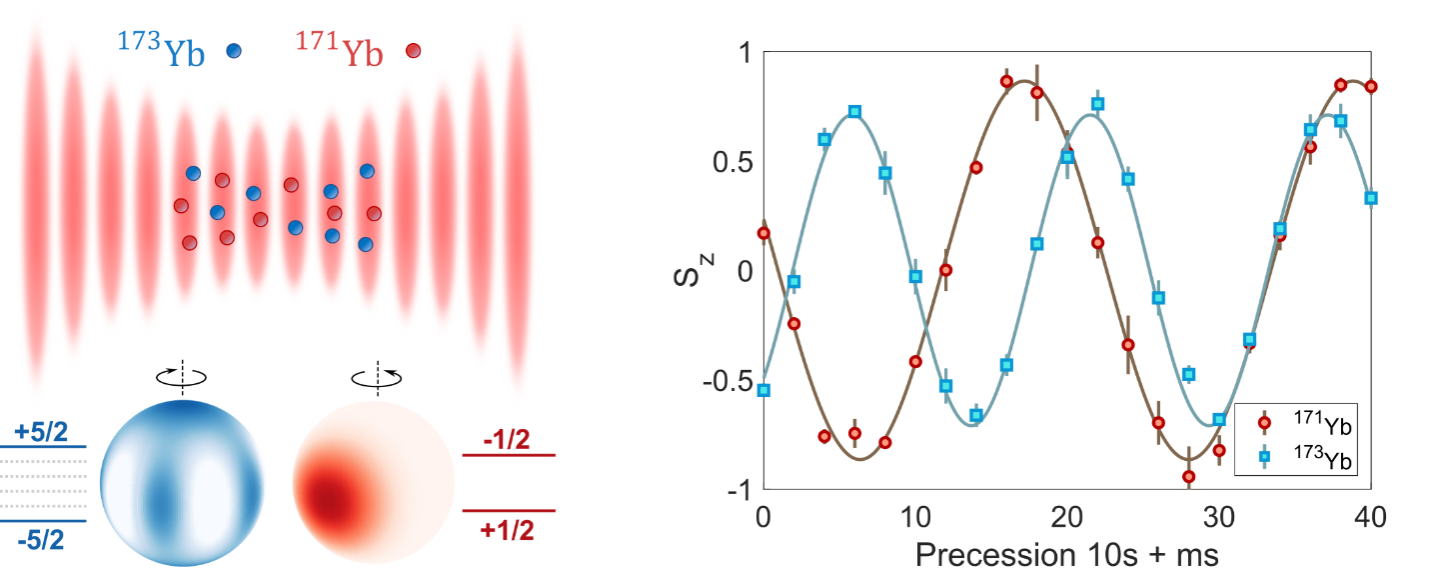
Recently, researchers at the University of Science and Technology of China (USTC), in collaboration with Lu Zhengtian and Xia Tian from the Hefei National Laboratory, realized a cold-atom comagnetometer using optical quantum control methods. The research team co-trapped two ytterbium isotopes in the same optical trap and synchronously measured their spin precession, achieving a magnetic field noise suppression factor exceeding 30,000. This achievement establishes a spin sensing platform with micron-scale spatial resolution, providing a new avenue for studying spin-dependent short-range interactions. The related research, titled "Cold-atom comagnetometry via optical control of spin states," was published in Nature Photonics on August 17.
2026-08-18
Russian Team Proposes Compact "Siberian Snake" Design for NICA Collider to Control Proton Polarization
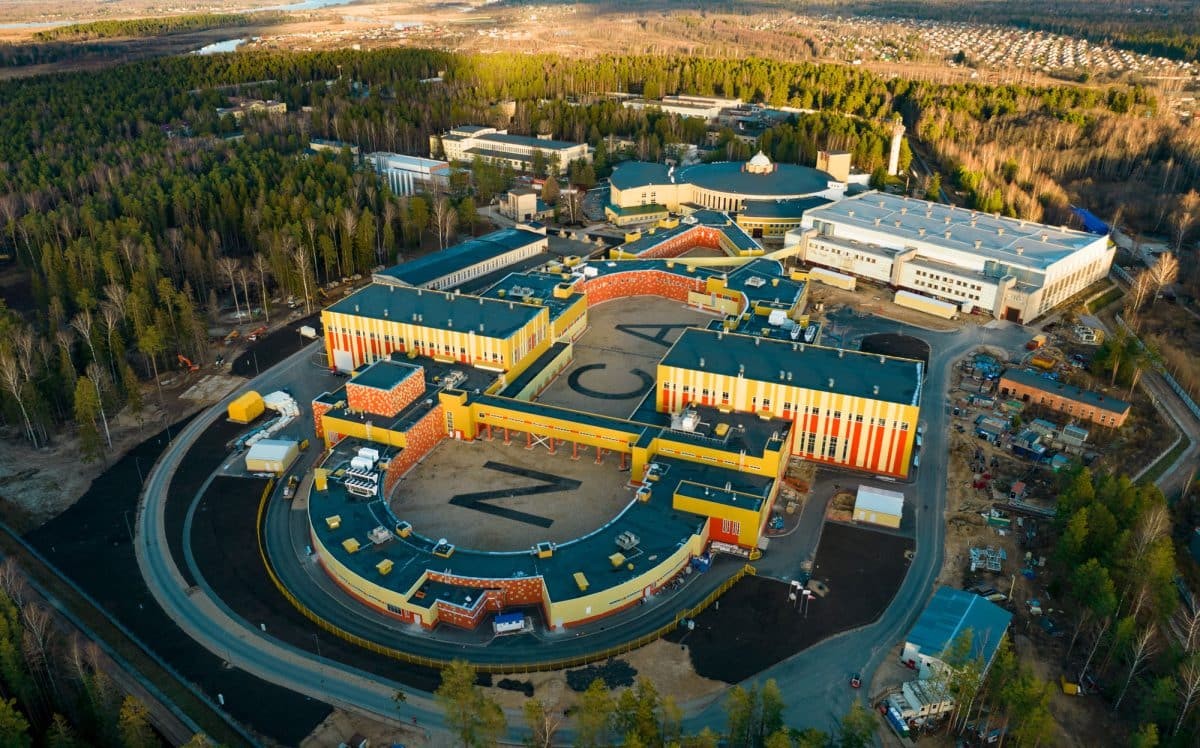
Experts from the Moscow Institute of Physics and Technology and the Joint Institute for Nuclear Research have proposed a compact Siberian snake magnetic field device design for Russia's NICA collider. The device employs a transverse magnetic field, aiming to maintain proton spin direction during acceleration to a maximum of 13.5 GeV and control polarization orientation during experiments. Related numerical simulations of proton polarization show that this design can effectively suppress beam depolarization. Russia's NICA accelerator complex — Moscow Institute of Physics and Technology press office In an accelerator, proton beams travel along a closed orbit, and particle spins precess around a specific rotation axis. When the beam reaches certain energies, spin may resonate with periodic perturbations in the ring structure, causing beam depolarization; without dedicated control measures, the beam polarization state required for experiments would be difficult to maintain.
2026-08-18

US FRIB Research Reveals Low-Energy Gamma-Ray Enhancement Originates from Nuclear Magnetic Transitions
An international research team led by the US Facility for Rare Isotope Beams (FRIB), with participation from Lawrence Livermore National Laboratory (LLNL) and other institutions, recently published findings in Nature that explain a long-standing question in nuclear physics: why some atomic nuclei emit anomalously high numbers of low-energy gamma rays. Image: FRIB Gamma rays are a type of electromagnetic radiation. Excited atomic nuclei release gamma rays during radioactive decay, gradually returning to lower, more stable energy levels. Over the past few decades, scientists have discovered that certain nuclei exhibit a low-energy enhancement phenomenon, where the number of low-energy gamma rays emitted exceeds expectations. However, this phenomenon is not universal, and its occurrence is theoretically difficult to predict.
2026-08-18

Libya Plans to Restore Tajoura Research Reactor for Medical Isotope Production
The Libyan Atomic Energy Establishment recently proposed a plan to restore and restart the Tajoura nuclear research reactor for the production of medical radioisotopes. The establishment stated that this initiative aims to support the diagnosis and treatment of diseases and tumors, while reducing dependence on imports of relevant isotopes. Radioisotopes are essential materials in nuclear medicine, serving as tracers in medical imaging to help track organ function and detect certain diseases and tumors; some isotopes are also used in radiotherapy targeting specific tissues. According to the Libyan Atomic Energy Establishment, the Tajoura reactor has a rated thermal power of 10 megawatts and holds potential for producing various medical isotopes, including...
2026-08-18
SwissFEL Achieves Ultralow-Temperature X-ray Observation of Quantum States
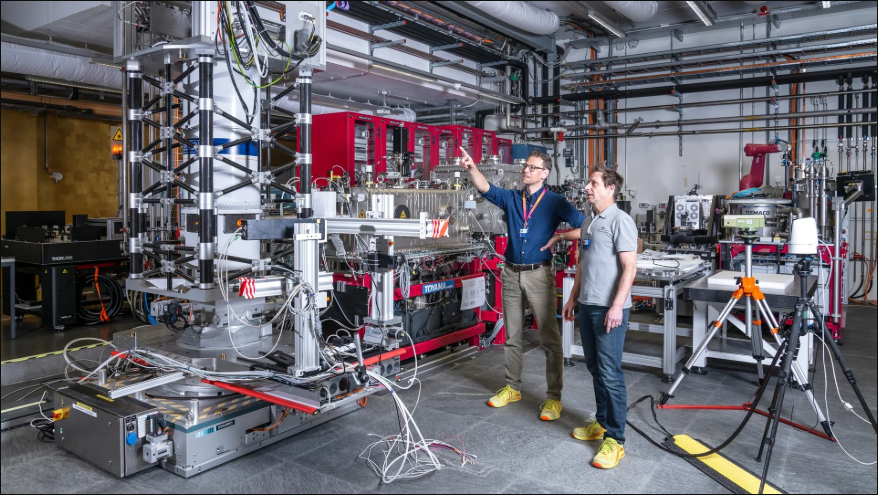
Researchers at the Paul Scherrer Institute (PSI) in Switzerland recently reported that the Cristallina experimental station of the Swiss Free-Electron Laser (SwissFEL) can now observe quantum states that only emerge at extremely low temperatures using X-ray scattering at temperatures close to absolute zero. Simon Gerber (left) and Bill Pedrini (right) at the Cristallina experimental station of SwissFEL. With the help of a custom-built cryostat connected to the beamline (far left), quantum states can now be studied at extremely low temperatures. Paul Scherrer Institute PSI/Markus FischerAccording to the team, they recently achieved a low temperature of 35 millikelvin in experiments...
2026-08-17

Neutron and X-ray tomography reveal hydrogen-rich regions in Martian meteorite "Black Beauty"
An international team of researchers from Denmark, Sweden, and Switzerland recently conducted a three-dimensional non-destructive analysis of a slice of the Martian meteorite NWA 7034 "Black Beauty" using neutron tomography and X-ray tomography, discovering macroscopic hydrogen-rich regions within it. The study suggests that these hydrogen-rich features provide evidence of early water-rock interactions on Mars. The findings have been published in Geophysical Research Letters. Black Beauty is a brecciated meteorite from Mars that was ejected into space by an impact event and eventually landed in the Sahara Desert in Morocco. Weighing approximately 320 grams, the meteorite contains material up to 4.48 billion years old, making it one of the oldest known Martian crustal fragments...
2026-08-17
Fermilab Muon g-2 Experiment Sets New Direct Detection Limit on Muon Electric Dipole Moment
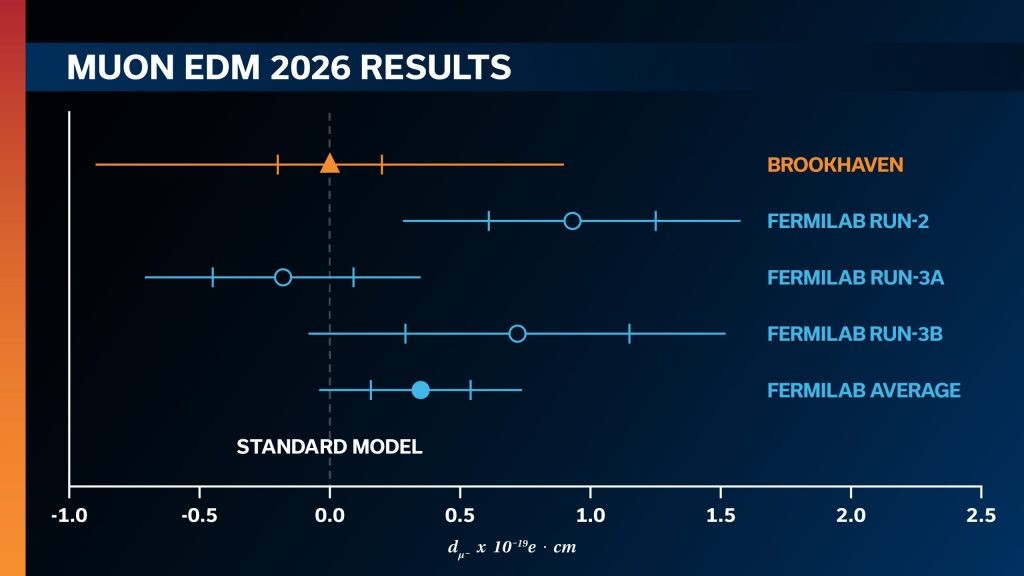
On August 12, 2026, the Muon g-2 Collaboration announced that a new analysis based on 25% of the data from the Muon g-2 experiment at the U.S. Department of Energy's Fermi National Accelerator Laboratory has produced the most sensitive direct measurement of the muon's electric dipole moment to date. The results show that if a muon electric dipole moment exists, its magnitude is below the current detection threshold of the experiment. The muon electric dipole moment values measured by Fermilab across different data-taking periods were compared with previous results from Brookhaven National Laboratory. The combined Fermilab value is consistent with zero (no observation). Although the experiment uses positive muons, results are typically reported for negative muons, which reverses the sign of the measured value...
2026-08-17
Argonne National Laboratory Unveils DONUT Tool to Accelerate Real-Time Analysis of X-ray Nanodiffraction Data
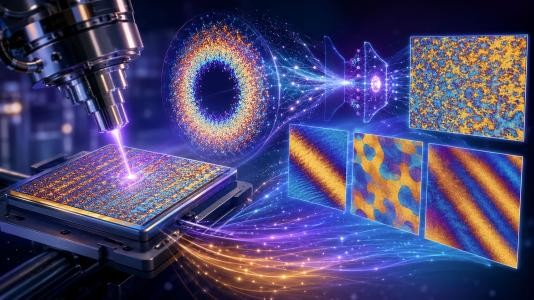
Researchers at the U.S. Department of Energy's Argonne National Laboratory have developed a new machine learning tool called DONUT to accelerate X-ray data analysis in experiments at the Advanced Photon Source (APS). The tool can process complex images generated by scanning X-ray nanodiffraction microscopy (SXDM) in real time during experiments, helping researchers more quickly determine internal structural changes in materials. DONUT stands for "Nanobeam Optical Diffraction based on Unsupervised Training," a physics-aware neural network. Its key feature is combining artificial intelligence methods with physical models of focused X-ray beam interactions with materials, allowing it to learn directly from experimental data without relying on pre-labeled training...
2026-08-17
CMS Experiment Advances Higgs Boson Pair Search with New Data
The CMS Collaboration has recently announced new progress in the study of Higgs boson pair production. The study is based on proton collision data at a center-of-mass energy of 13.6 TeV recorded by the CMS detector from 2022 to 2024, focusing on the search for processes where one Higgs boson decays to a bottom quark–antiquark pair and the other decays to a τ lepton–antitau pair, namely the HH→bbττ channel. Since the discovery of the Higgs boson in 2012, the CMS and ATLAS Collaborations have continuously measured the interactions of the Higgs boson with other Standard Model particles, and the results so far remain generally consistent with Standard Model predictions. In contrast, the “self-coupling” among multiple Higgs bosons...
2026-08-17
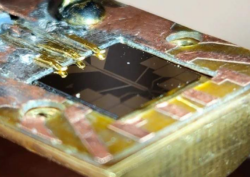
Russian Researchers Develop Highly Sensitive Radio Astronomy Sensor for Axion Dark Matter Detection
Researchers from the Institute for Physics of Microstructures of the Russian Academy of Sciences and Nizhny Novgorod State Technical University have developed a radio astronomy sensor whose sensitivity is reportedly two to three times higher than that of existing international counterparts, and it has been granted a Russian patent. The device is designed for detecting weak electromagnetic radiation signals and can be used in frontier physics experiments such as cosmic microwave background radiation studies and axion dark matter searches. The researchers explain that this type of detector is essentially an electromagnetic radiation receiver. When electromagnetic radiation strikes the sensitive element, the electron temperature rises, thereby altering the recorded signal. To improve detection sensitivity, the research team introduced a thin hafnium layer into the structure, which acts as a thermal...
2026-08-17

South Korea's domestically developed lunar radiation detector to travel to the Moon aboard NASA commercial lunar lander
The Korea AeroSpace Administration (KASA) announced on August 17 that the Lunar Space Radiation Detector (LVRAD), independently developed by South Korea, will be mounted on a lander under NASA's Commercial Lunar Payload Services (CLPS) program to conduct observations of the radiation environment on the lunar south pole surface. The two sides signed the relevant implementation agreement on August 14. Under the agreement, KASA plans to complete the development of the flight model of the detector by next year and deliver the equipment to the United States in accordance with the NASA lunar lander mission schedule. NASA will be responsible for integrating the Korean-developed detector onto the commercial lunar lander and supporting its operation and data transmission on the lunar surface after launch. LVRAD consists of...
2026-08-17
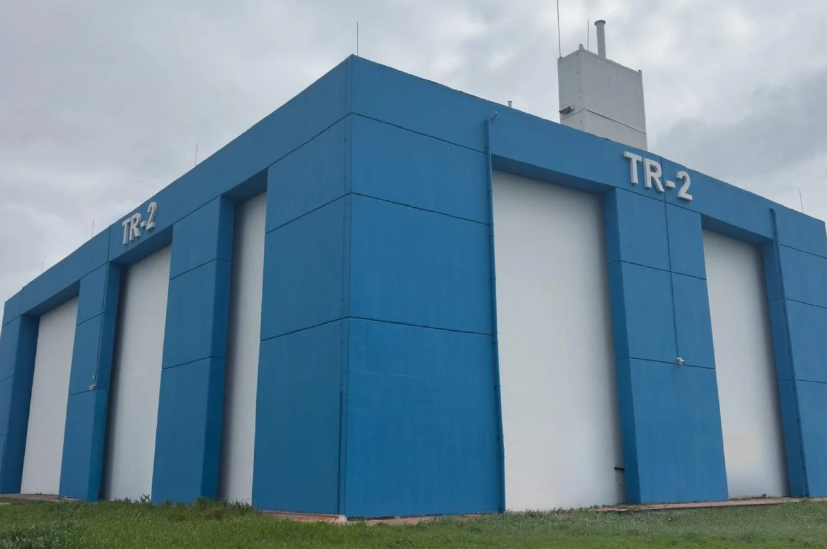
Turkey's TR-2 Research Reactor Receives Operating License
The Turkish Nuclear Regulatory Authority has issued an operating license for the TR-2 research reactor at the Istanbul campus of the Nuclear Energy Institute under the Turkish Energy, Nuclear and Mineral Research Agency (TENMAK). The license was issued pursuant to the Authority's Decision No. 2026-34/3 dated August 6, 2026. Following the review and evaluation of TENMAK's application documents, the Turkish Nuclear Regulatory Authority authorized the agency to carry out the activities required for the transition of the TR-2 research reactor from its current status to the operational phase. TR-2 is located at the Istanbul campus of TENMAK's Nuclear Energy Institute, with an approved thermal power of 5 megawatts. The facility is a research reactor and is not a nuclear facility primarily intended for power generation. According to...
2026-08-17
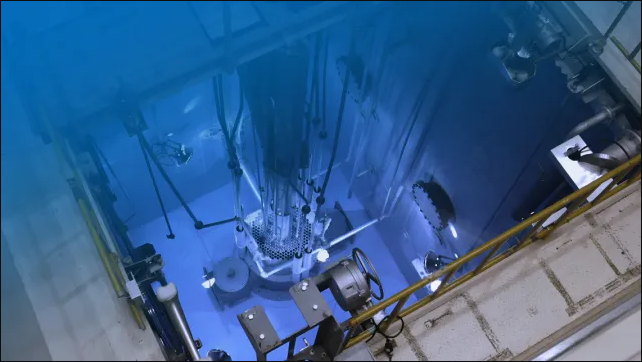
Public Announcement of Winning Bidder Candidates for the Civil Construction Project of the Huludao Research Reactor Project
Recently, the public announcement of winning bidder candidates for the civil construction project of the Huludao Research Reactor Project of the China Institute of Atomic Energy was released. The announcement shows that China Nuclear Industry 24 Construction Co., Ltd. ranks as the first winning bidder candidate with a bid price of RMB 1,109,080,000.00; China Nuclear Industry Huaxing Construction Co., Ltd. ranks as the second winning bidder candidate with a bid price of RMB 1,109,100,279.50. The tendered project is the research reactor project of the China Institute of Atomic Energy, with the scope of tender covering the civil construction works of the research reactor project, and the construction site located in Xingcheng City, Huludao City, Liaoning Province. The maximum bid limit for the project is RMB 1,109,550,000.00, and the maximum bid limit for daywork is RMB 320 per workday, excluding tax. According to...
2026-08-17

Kazakhstan Enters a New Era of Atomic Energy, with the Institute of Nuclear Physics Viewed as a Key Pillar of the National Nuclear Industry
Kazakhstan is entering a new stage of nuclear energy development. The construction of a nuclear power plant means not only the addition of a major energy project, but also the need for the country to simultaneously establish a complete nuclear industry system, including research support, personnel training, experimental infrastructure, nuclear and radiation safety systems, and indigenous technological capabilities. The article points out that a nuclear power plant can be built using foreign project designs, but true scientific and technological capability cannot be purchased along with the equipment; it is gradually formed through the long-term operation of nuclear facilities, conducting research, training engineering teams, and passing on experience. Against this backdrop, the Institute of Nuclear Physics of Kazakhstan is regarded as an important pillar of the future nuclear energy industry. The institution...
2026-08-14

USTC Team Participates in STAR Experiment, Discovering Possible "Y"-Shaped Gluon Junction Inside Nucleons
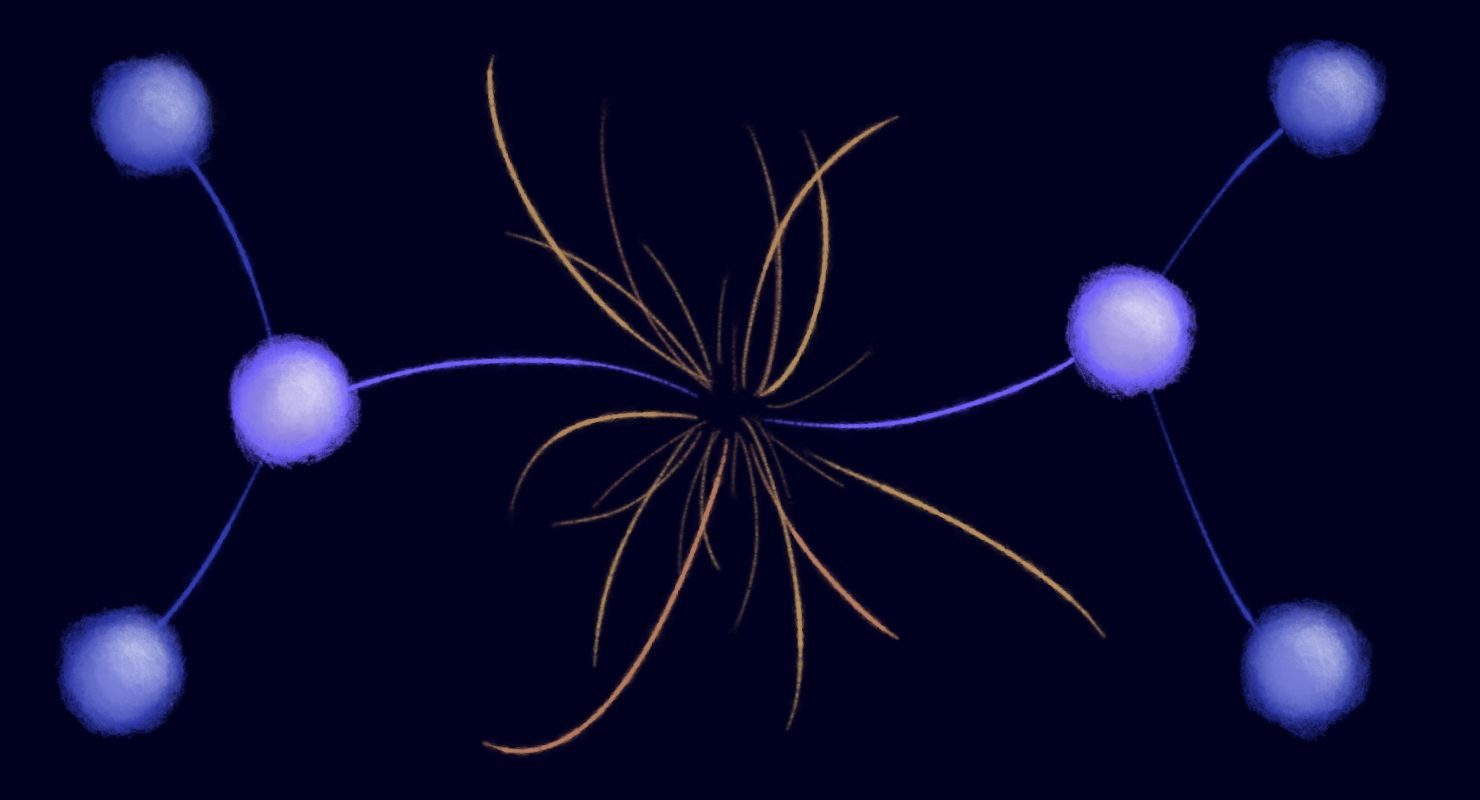
The University of Science and Technology of China, together with Kent State University and Brookhaven National Laboratory, played a leading role in the STAR international collaboration. Through precise measurements of net baryon number and net charge in high-energy nucleus-nucleus collision experiments, they discovered an exotic structure inside nucleons that may overturn fundamental understanding of nucleon internal structure. In the early morning of August 14, the results were published online in the journal Science under the title "Tracking the baryon number with nuclear collisions." Nucleons are the fundamental particles that make up the material world, carrying more than 99% of the mass of the visible matter in the universe. Understanding the internal structure of nucleons is of paramount importance for understanding the fundamental constituents and fundamental interactions of the material world.
2026-08-14
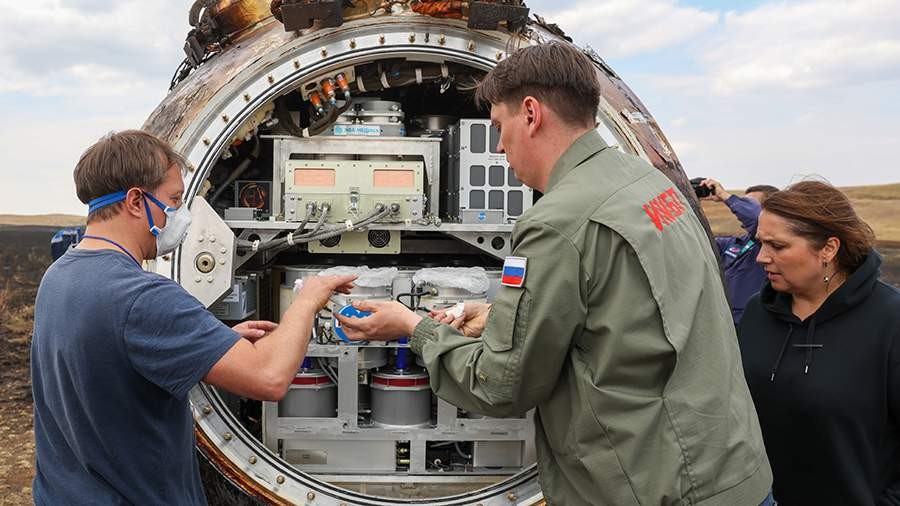
Russia's Bion-M 3 spacecraft planned for launch in 2030 to study effects of cosmic radiation on living organisms
Russia plans to launch the new Bion-M 3 spacecraft in 2030 to study the effects of cosmic radiation on living organisms under conditions similar to deep space. Vladimir Sychev, a senior official at the Institute of Biomedical Problems of the Russian Academy of Sciences, presented the plan at a meeting of the Presidium of the Russian Academy of Sciences' Space Council on August 4. Sychev stated that cosmic rays, solar proton events, and their effects on the human body are critical issues that must be understood when planning long-term interplanetary crewed missions. Participants have endorsed the draft scientific research program for the spacecraft's flight testing. According to the plan, Bion-M 3 will be placed into a polar orbit at an altitude of approximately 800 kilometers...
2026-08-14

Russia's SKIF Synchrotron Radiation Facility Hailed as a Milestone for Russian Science
On August 13, Russian President Vladimir Putin visited the Koltsovo Science City in Novosibirsk to learn about the operating principles of the Siberian Circular Photon Source (SKIF), a shared-use center. This center is the first facility in a network of modern synchrotron radiation sources being built in Russia, with construction efforts incorporated into the national development program for synchrotron and neutron research and related research infrastructure, covering the period through 2030 and beyond. It was reported that SKIF, with its high-brightness, high-intensity X-ray beams, can serve high-level research in fields such as chemistry, physics, materials science, biology, geology, archaeology, and paleontology. Officials also noted that...
2026-08-14
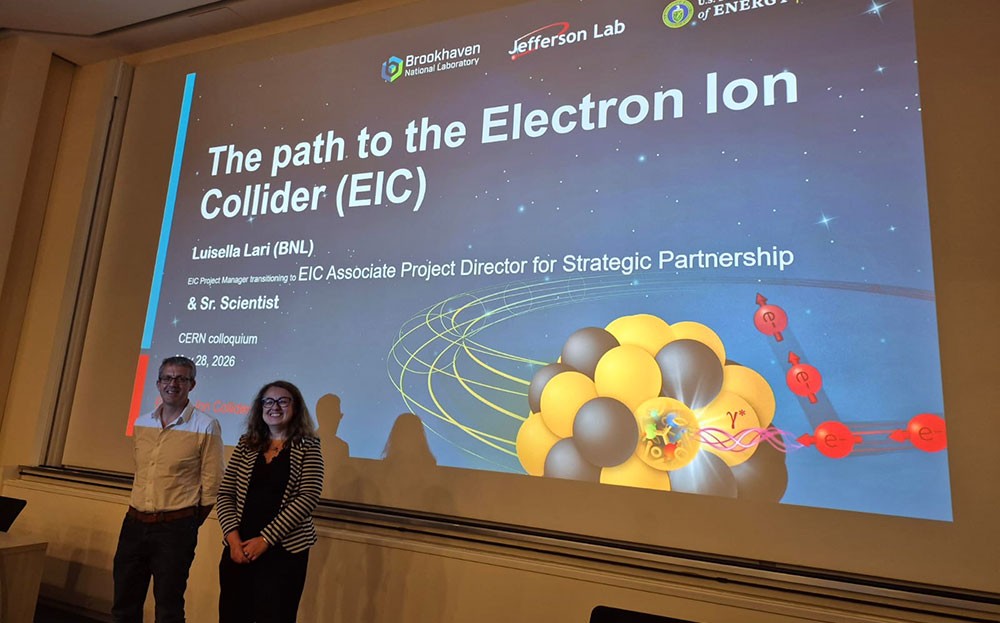
EIC and CERN Strengthen Cooperation to Advance International Scientific Exchange for the Electron-Ion Collider
August 12, 2026 - The collaboration between the Electron-Ion Collider (EIC) project and the European Organization for Nuclear Research (CERN) is deepening further. On May 28, CERN hosted a workshop themed around the EIC to introduce the project's scientific goals, construction progress, and future research opportunities to its international scientific community. Luisella Lari (right), Deputy Director for Strategic Partnerships of the Electron-Ion Collider (EIC) project, poses with Matthew Chalmers, organizer of the CERN lecture series, after delivering a talk titled "The Road to the Electron-Ion Collider" at CERN. Luisella Lari, senior scientist on the EIC project, delivered a talk titled "The Road to the Electron-Ion Collider" at the workshop.
2026-08-13
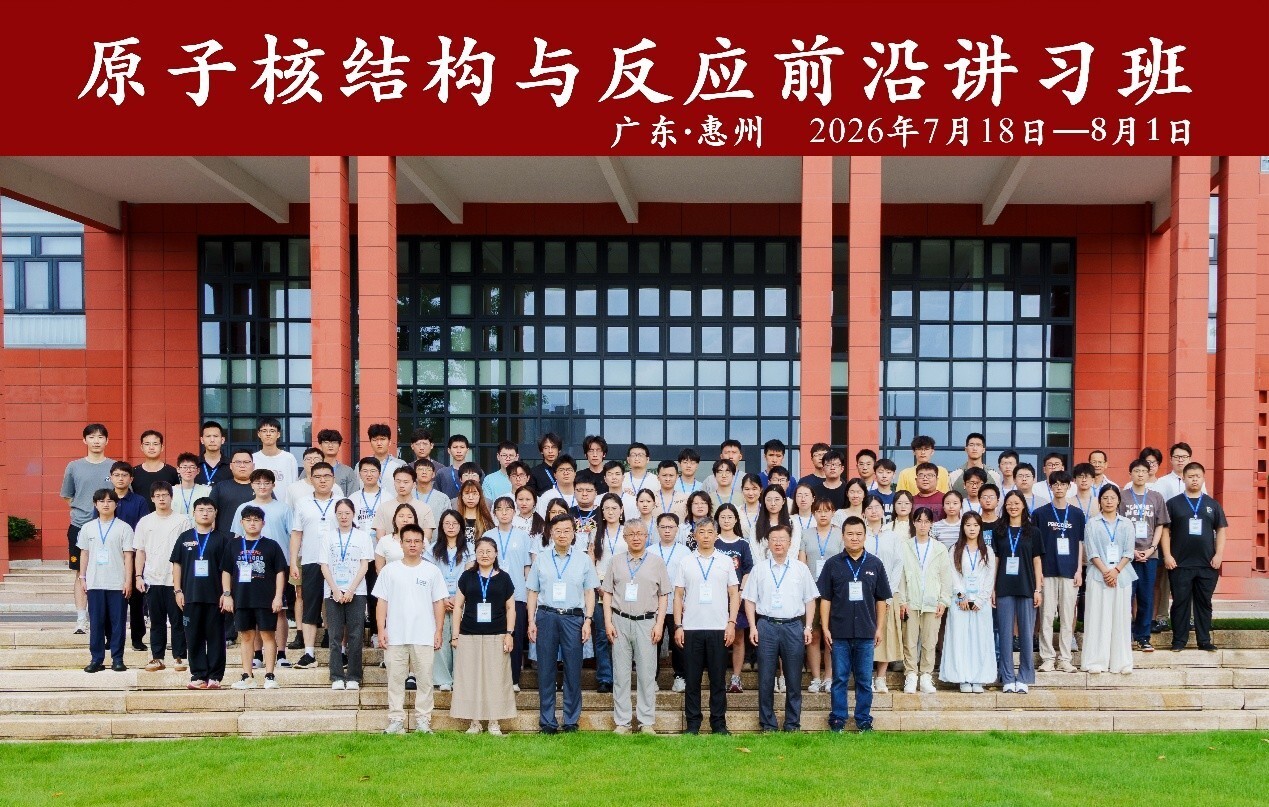
"Frontier Workshop on Nuclear Structure and Reactions" Successfully Held at the Institute of Modern Physics, Chinese Academy of Sciences
From July 18 to August 1, the Institute of Modern Physics of the Chinese Academy of Sciences hosted the Frontier Workshop on Nuclear Structure and Reactions. Funded by the Special Fund for Theoretical Physics of the National Natural Science Foundation of China, the workshop attracted 89 young faculty members, postdoctoral researchers, and graduate students from over 30 universities and research institutions nationwide. Twenty-one experts in nuclear physics were invited to give lectures, totaling nearly 80 class hours. Academician of the Chinese Academy of Sciences and President of East China Normal University, Professor Ma Yugang; Academician of the Chinese Academy of Sciences and Professor at Tsinghua University, Zou Bingsong; Director of the Institute of Modern Physics, Professor Sun Zhiyu; as well as representative lecturers Professor Ye Yanlin and Professor Yang Xiaofei from Peking University...
2026-08-13
Reading Ranking
- 1 Major Scientific Facility Enables Breakthrough in New Energy Materials: IHEP Leverages Beijing Synchrotron Radiation Facility to Reveal High-Efficiency Crystallization Mechanism of Perovskite, Sub-module Photoelectric Conversion Efficiency Reaches 22.9%
- 2 Shanghai Institute of Applied Physics Makes Important Progress in Electrolyzer Design and Electrocatalytic Materials Research
- 3 The Chinese Academy of Sciences launches the "Scientific Frontier Extreme Breakthrough Program": the first batch deploys major tasks such as "new element synthesis," relying on large scientific facility clusters to push the limits of nuclear physics and materials science
- 4 KAERI and IAEA Jointly Hold Research Reactor Ageing Management Training Workshop
- 5 Iron-60 Found Again in Antarctic Ice Core Samples from 40,000 to 80,000 Years Ago
- 6 Breakthrough in High-Energy Nuclear Physics Research: Chinese Research Team Leverages CERN's Large Hadron Collider to Reveal How Nuclear Geometry Influences Matter Flow
- 7 Japan's Monju Fast Breeder Reactor Sodium Coolant Overseas Transport Planned to Start in Fiscal 2028
- 8 CERN Accelerator Control Systems to Migrate to Debian 13
- 9 U.S. Company Proposes Americium-241 Radioisotope Heating Solution for Spacesuits, Receives Early NASA Research Support
- 10 U.S. Research Team Discovers Strong Ultrafast Optical Response Induced by Ionizing Radiation, Potentially Advancing Medical Imaging and Sensing Technologies
- 11 Scientists Reveal the Chemical Secrets of the Nanoscale Iridescent Effect in 9th-Century Islamic Ceramics
- 12 Shanghai Jiao Tong University's "Luoshu" Ultra-Long Neutron Small-Angle Scattering Spectrometer Officially Commissioned
- 13 Domestically Developed "Palm-Sized CT" Debuts: 6 kg Micro X-ray CT Enables 3D Non-Destructive Testing
- 14 German BESSY II 3D Magnetic Field Experiments Reveal Mechanism of Weak Magnetic Field Control over Magnetic Textures
- 15 Russia's SKIF Synchrotron Considers Building Enterprise-Funded Experimental Stations