
Search Results
Keyword:Power
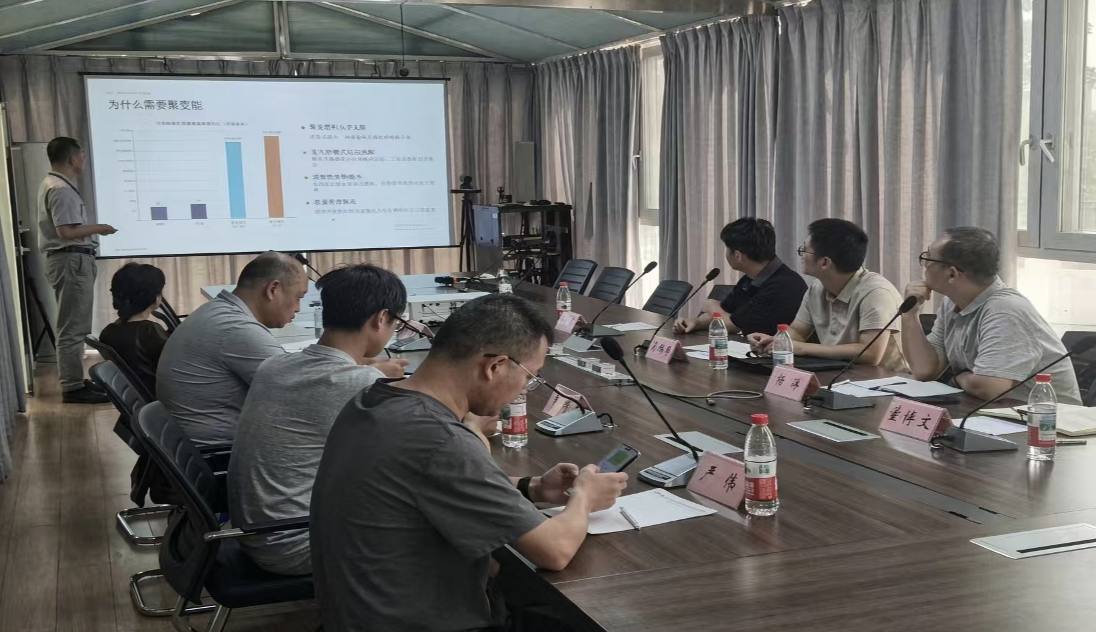
South China Regulatory Station Strengthens Fusion Device Regulation to Empower New Technology Development
Recently, the South China Nuclear and Radiation Safety Regulatory Station of the Ministry of Ecology and Environment (hereinafter referred to as the South China Regulatory Station) conducted a radiation safety regulatory inspection of the J-TEXT tokamak fusion experimental device at Huazhong University of Science and Technology. As the only large and medium-sized tokamak experimental device among Chinese universities, J-TEXT bears the important mission of fusion talent cultivation and frontier physics experiments. The South China Regulatory Station focused on key aspects including equipment operation, radiation protection, and authorization management, meticulously investigated safety hazards, verified the implementation of safety management systems, and urged Huazhong University of Science and Technology to promptly plug safety loopholes and standardize device operation procedures, effectively fortifying the defense line for the safe and stable operation of the fusion experimental device, thereby providing a solid safety guarantee for the orderly conduct of scientific research experiments...
2026-10-08

US PPPL Reconstructs 70-Year-Old Lawson Criterion, Proposes New Fusion Ignition Pathway of "Heat First, Fuel Later"
The Princeton Plasma Physics Laboratory (PPPL), under the U.S. Department of Energy (DOE), released its latest findings on October 5. Laboratory physicists have reconstructed the classic Lawson criterion that has been in use for over 70 years and published the results in Physical Review Letters. The research team integrated four real-world physics effects that were previously treated separately into a unified model, mapping out an entirely new fusion ignition topography. The study shows that adopting a pathway of first heating the plasma and then increasing fuel density can achieve the ignition conditions for self-sustaining burn with far less energy consumption than traditional pathways. For over 70 years, the nuclear fusion field has relied on...
2026-10-07
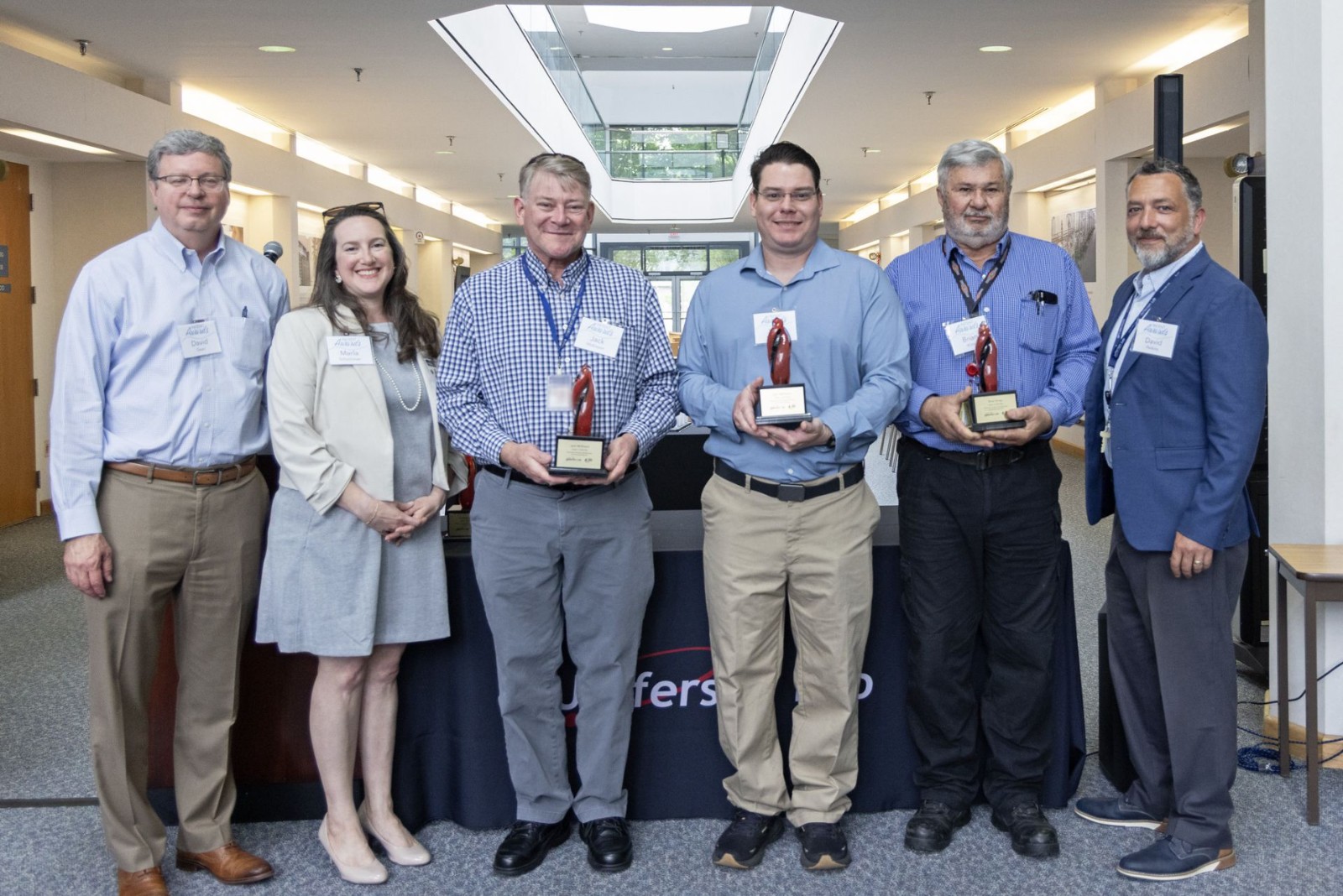
Jefferson Lab Signs CRADA to Advance Commercialization of Subsurface Tritium Continuous Monitor: Overcoming the Challenge of Online Monitoring of Low-Energy Beta Particles in Groundwater at Nuclear Power and Fusion Facilities
The U.S. Department of Energy (DOE) Thomas Jefferson National Accelerator Facility (Jefferson Lab) announced that it has formally signed a Cooperative Research and Development Agreement (CRADA) with startup company Canary Instruments to jointly advance the commercialization of its independently developed Subsurface Continuous Radioisotope Environmental Monitor (SCREM). This technology is specifically designed for nuclear power plants, nuclear fuel facilities, and future...
2026-10-07
Blue Energy becomes the first small nuclear power developer to apply for grid connection in Texas, aiming to provide baseload power for AI data centers
According to local U.S. media reports, nuclear energy startup Blue Energy Global Inc. has formally submitted a grid connection application to the Texas grid operator, becoming the first developer in the United States to apply to connect next-generation small modular reactor (SMR) power to the Texas main grid (ERCOT). The move is aimed at addressing the explosive growth in baseload electricity demand in Texas driven by the construction of artificial intelligence (AI) and supercomputing data centers. According to the relevant project plans submitted by Blue Energy, the company is advancing the development of a large energy complex in partnership with data center operator Crusoe Inc. The hybrid energy base is initially planned to first rely on natural gas units for rapid commissioning and power generation to address the urgent short-term power shortage of computing clusters; subsequently, small nuclear reactors will be gradually added and deployed to comprehensively build a long-term stable energy supply architecture featuring "gas-nuclear synergy and carbon-free transition."
2026-10-07
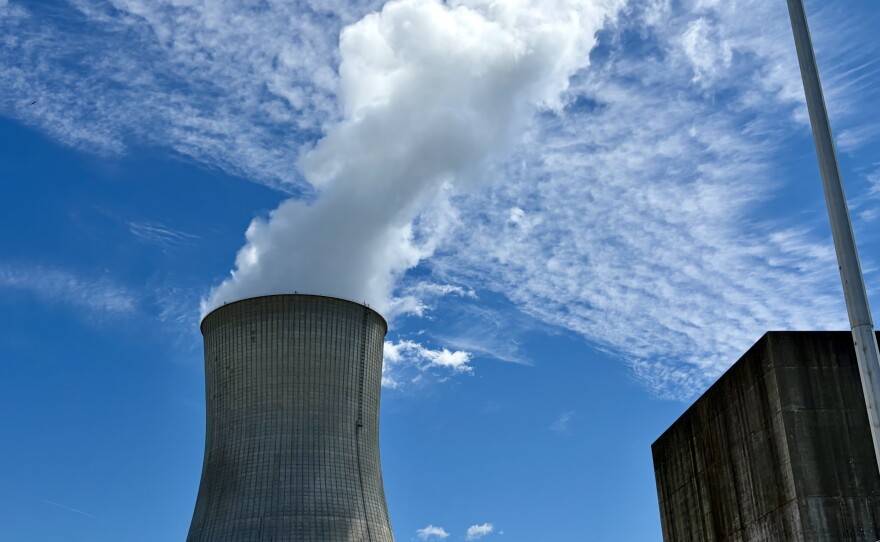
Missouri Releases New Energy Plan, Pushing Nuclear Power as Priority
According to local U.S. media reports, the Missouri Department of Natural Resources, in its latest statewide comprehensive energy plan, has formally placed the development of new nuclear power plants, enhancement of grid resilience, and advancement of energy autonomy at the strategic priority level. Official data show that Missouri currently consumes energy at a scale 8 times its in-state production, relying heavily on cross-regional transmission from external grids, and the plan aims to fundamentally reverse this trend of dependence on out-of-state power. Missouri Governor Mike Kehoe noted in the report that in recent years Missouri's exposure risk to interstate imported electricity has increased significantly, and the new energy plan...
2026-10-07
Indiana Launches "Nuclear Ready Communities Program" Applications: Promoting Clean Nuclear Energy Investment to Empower High-Tech Industry Development
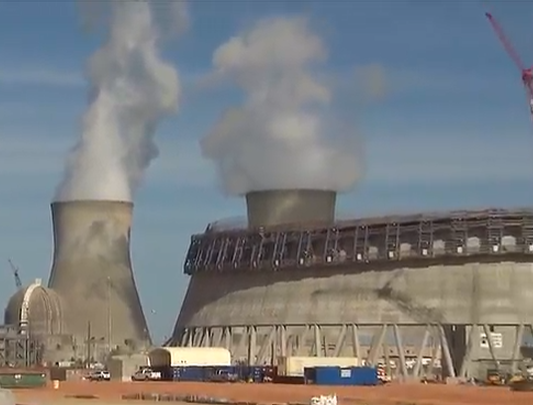
Indiana Governor Mike Braun officially announced on Tuesday local time the opening of the application channel for the state's Nuclear Ready Communities Program. The policy aims to guide and assist local municipalities across the Hoosier State in establishing readiness mechanisms to accept advanced clean energy investment, attracting large nuclear power developers to locate there through upfront assessment and certification. Indiana officials position civilian nuclear energy as a core engine for driving future high-tech industry investment, building a resilient power grid, and providing local communities with low-cost, highly reliable electricity. As data centers...
2026-10-07
US-based Geenex Power Unveils SMR Nuclear Plan for Amherst County, Virginia: Up to 650 MW Capacity, Construction Targeted for 2030
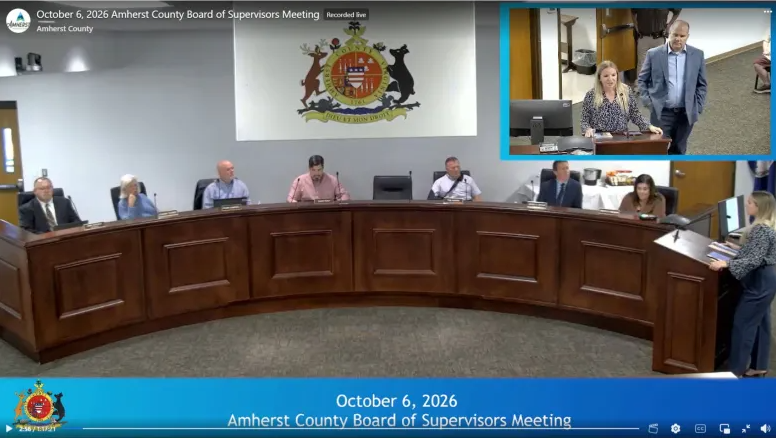
Charlotte, North Carolina-based clean energy developer Geenex Power officially announced on October 6, 2026, that it plans to build an advanced small modular reactor (SMR) nuclear project with a capacity of up to 650 megawatts — Beck Creek Energy — in Amherst County, Virginia. During the routine public inquiry session held by the Amherst County Board of Supervisors on Tuesday, Geenex Project Development Manager Delany Bolton and Director of External Affairs Chris Hallameyer...
2026-10-07

TVA Sequoyah Nuclear Plant Begins Refueling and Maintenance
On October 5, 2026, the Tennessee Valley Authority (TVA) is conducting refueling and annual maintenance at the Sequoyah Nuclear Plant in Soddy-Daisy. According to the introduction, refueling is part of the normal operation of a nuclear power plant, involving the removal of spent fuel and its replacement with new fuel assemblies. Maintenance work includes inspection, testing, and repair of various equipment and systems to ensure the safe and reliable operation of the nuclear power plant. Due to this outage for inspection and maintenance, the Sequoyah Nuclear Plant will suspend power generation during this period. To address the resulting power gap, the Tennessee Valley Authority will dispatch other resources through its existing diversified generation portfolio...
2026-10-06

Polish government adopts "updated nuclear power programme" to build 6-9 GW of nuclear capacity
On 5 October 2026, the Polish government formally adopted an updated nuclear power programme, confirming the construction of two large nuclear power plants with a target capacity of approximately 6 to 9 GW. The first plant, Lubiatowo-Kopalino, is located in Pomerania Province in northern Poland along the Baltic Sea coast and will use three Westinghouse AP1000 units. The first nuclear concrete pour is planned for 2028, and the three units are scheduled to enter commercial operation in 2036, 2037 and 2038 respectively, later than under the 2020 version, though the interval between units has been shortened from two years to one year. It is understood that the project has moved from the preparatory stage to the implementation stage, with the state-owned project company Polskie Elektrownie Jądrowe...
2026-10-06

Oracle Plans to Purchase Power from Point Beach Nuclear Power Station to Supply Wisconsin AI Data Center
On October 5, 2026, U.S. tech giant Oracle announced plans to purchase 125 MW to 250 MW of power from the Point Beach Nuclear Power Station in Wisconsin to supply a large artificial intelligence and cloud computing data center campus in Port Washington. The power purchase agreement still requires approval from the Public Service Commission of Wisconsin. It is understood that Oracle will obtain approximately 10% to 20% of the total output of the dual-unit nuclear power station. Oracle stated that this commitment will help protect customers from the nuclear power station's cost...
2026-10-06

U.S. Department of Energy Commits $4.2 Billion Loan to Support Vistra Nuclear Plant Expansion and Upgrade
On October 5, 2026, the Office of Energy Dominance Financing of the U.S. Department of Energy (DOE) announced a commitment to provide a conditional loan of up to $4.2 billion to fund the expansion and modernization of nuclear power plants owned by Vistra Corp. in Pennsylvania and Ohio. It is understood that this investment aims to implement U.S. President Donald Trump's executive order on revitalizing the nuclear industrial base. U.S. Secretary of Energy Chris Wright stated that by increasing the power generation of existing nuclear power plants, affordable...
2026-10-06

Google Plans to Sign Over $1 Billion Long-Term Power Purchase Agreement with Constellation Energy: Locking in Existing Nuclear Baseload to Support AI Computing Expansion
Recently, Google's parent company Alphabet (Alphabet Inc., Nasdaq: GOOGL) is nearing a multi-year nuclear power purchase agreement with Constellation Energy. Google will pay $1 billion or more, and the agreement could be announced as early as this week. It is understood that this potential agreement comes as the massive electricity demand driven by the artificial intelligence boom is reigniting interest in nuclear energy, which can provide emissions-free power around the clock. Recently reached agreements have mainly focused on existing nuclear facilities, because permitting and construction of new reactors can take more than a decade, while next-generation fission technology still requires years before large-scale deployment. This news follows Amazon...
2026-10-06
Fangchenggang Nuclear Power Phase I Marks 10th Anniversary of Commercial Operation: Two Units Have Cumulatively Supplied Over 160 Billion kWh, with WANO Indicators Achieving Full Marks for Seven Consecutive Years
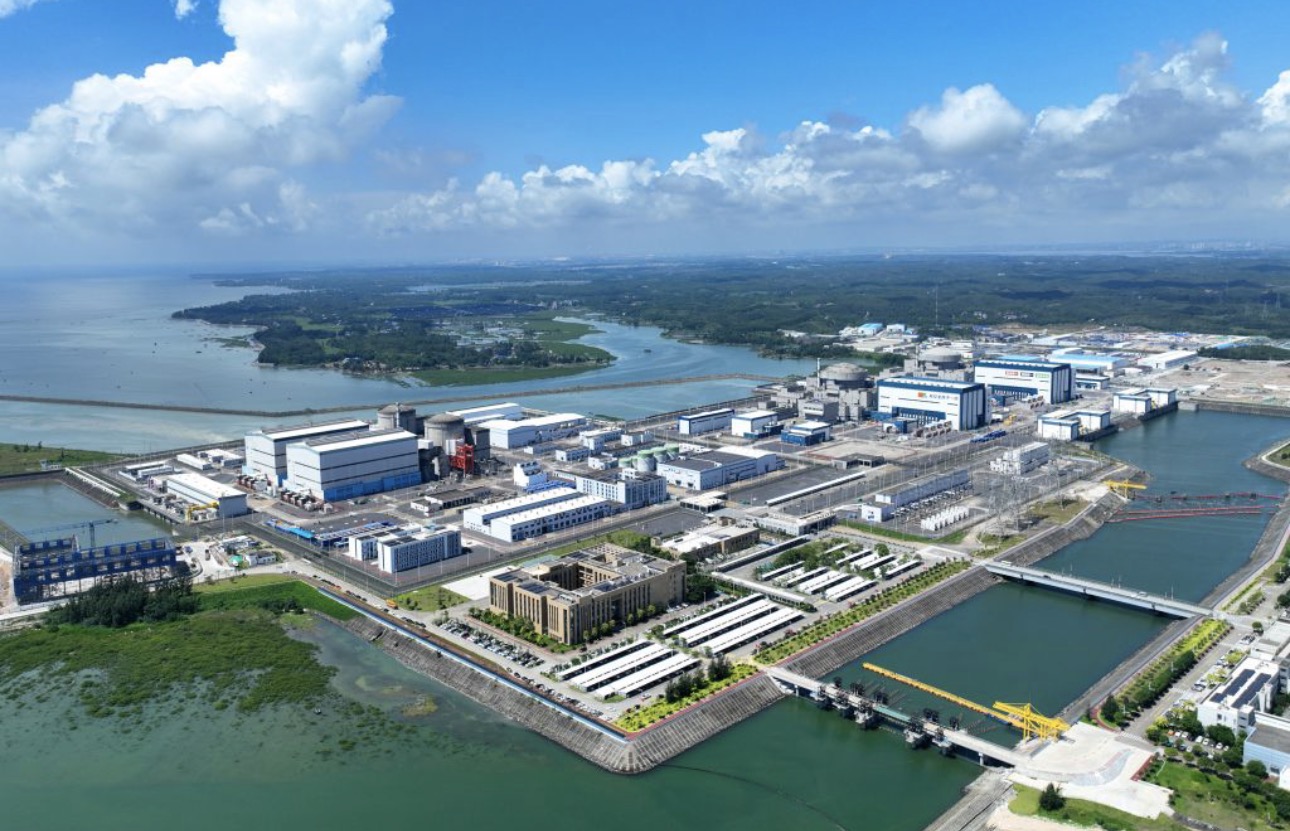
Recently, Phase I of the Fangchenggang Nuclear Power Plant under China General Nuclear Power Group officially ushered in the 10th anniversary of its commercial operation. As the first nuclear power project in western China and in an ethnic minority region, the two million-kilowatt-class pressurized water reactor units at the site have maintained safe and stable operation for ten years since being put into operation. Their WANO composite index has achieved full marks for seven consecutive years, and they have cumulatively delivered over 160 billion kWh of clean electricity to the Beibu Gulf Economic Zone. It is understood that Phase I of the Fangchenggang Nuclear Power Project is located on Qisha Peninsula in Fangchenggang City, Guangxi Zhuang Autonomous Region, and is an important energy backbone project of the national Western Development Strategy. The project planned to build two self-developed CPR1000 pressurized water reactor nuclear power units with a single-unit capacity of 1.08 million kilowatts...
2026-10-04

Cumulative safe power generation of China's Sanmen Nuclear Power Phase I exceeds 150 billion kWh
According to reports, as of 00:00 on October 5, 2026, the cumulative safe power generation of Units 1 and 2 of China's Sanmen Nuclear Power Phase I exceeded 150 billion kWh. It is reported that Sanmen Nuclear Power Phase I is among the world's first AP1000 third-generation nuclear power units to be completed and put into operation, and Unit 1 officially entered commercial operation in 2018. As one of the world's first AP1000 third-generation nuclear power projects, Sanmen Nuclear Power Phase I has exemplary significance in technical verification and the accumulation of operating experience. The AP1000 adopts a passive safety system and is designed to maintain a safe state for an extended period after an accident without relying on external power sources or manual intervention. In terms of environmental benefits, since being put into operation, Sanmen Nuclear Power Phase I has cumulatively saved more than 42 million tons of standard coal and reduced carbon dioxide emissions by more than 110 million tons. This clean electricity is continuously transmitted to East China and the Yangtze River Delta region, helping to promote the low-carbon transformation of the energy structure while ensuring a stable regional power supply. Compared with thermal power of the same scale, nuclear power does not produce atmospheric pollutants such as sulfur dioxide, nitrogen oxides, and soot, and has a long-term effect on improving regional air quality. According to the planning of the Sanmen Nuclear Power Base, construction of the remaining units will also be advanced. After all units at the base are completed, annual power generation can reach 60 billion kWh, which will further enhance the zero-carbon electricity supply capacity of East China and accumulate experience for the large-scale and standardized construction of China's coastal nuclear power bases.
2026-10-05

California Signs Two Bills to Reshape Advanced Nuclear Fission and Fusion Energy Strategy
California Governor Gavin Newsom recently signed two bills aimed at comprehensively advancing the state's nuclear energy development by reassessing advanced nuclear fission technology and establishing a strategic plan for nuclear fusion. In the field of nuclear fission, Assembly Bill 2647 (A.B. 2647) requires the California Energy Resources Conservation and Development Commission (CEC) to conduct a formal assessment of advanced nuclear energy technologies by January 1, 2028. The bill, introduced by Assemblymember Lisa Calderon, directs the CEC to comprehensively consider factors such as cost, grid reliability, fuel cycle, and public health in determining whether new nuclear power plants can help California achieve its 2045 zero-carbon electricity goal. Calderon stated that given current grid demands, California needs to reassess the role of nuclear energy in ensuring a stable and clean electricity supply based on modern technology.
2026-10-04