
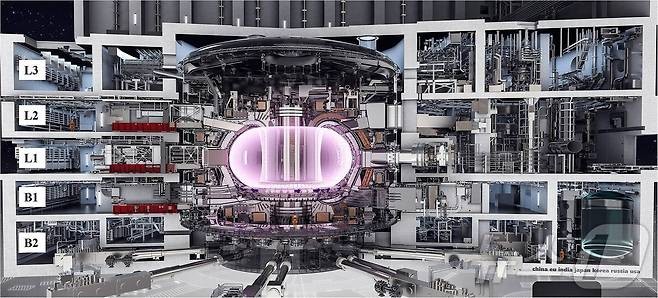
Korea's Naju Artificial Sun Research Facility Expected to Receive Preliminary Feasibility Study Results in September
The project to build the Naju Artificial Sun research facility in Korea is expected to receive the results of the national preliminary feasibility study in September. With a total investment of approximately 1.2 trillion KRW, the project plans to construct large-scale nuclear fusion research and demonstration infrastructure in Wangok-myeon, Naju City, South Jeolla Province, and is regarded by local governments as a key pillar in the future industrial layout of the South Jeolla–Gwangju Integrated Special Zone. The Ministry of Science and ICT (MSIT) designated the "Nuclear Fusion Core Technology Development and Strategic Infrastructure Construction Project" as a national R&D project and included it in the preliminary feasibility study on January 30. According to the previous schedule, the evaluation period was approximately seven months. The results were originally expected to be announced in August, but...
2026-08-11

Kyoto Fusioneering to Relocate U.S. Headquarters to Oak Ridge
Kyoto Fusioneering (KF) will relocate its U.S. headquarters to Oak Ridge, Tennessee, investing $46.9 million in Anderson County and creating 51 new jobs. The project will build critical fusion testing infrastructure, with a focus on supporting the development of the fusion nuclear testing facility UNITY-3. UNITY-3 is planned to be built at Oak Ridge National Laboratory (ORNL) through a public-private partnership. The facility has received support from the U.S. Department of Energy (DOE) and has been listed as a national priority in its final "Fusion Science and Technology Roadmap." According to the plan, UNITY-3 will employ a deuterium-tritium (D-T) fusion neutron source to validate tritium breeding capabilities and related performance under conditions approaching a real fusion nuclear environment...
2026-08-11

TMTG Advances $6 Billion-Plus Merger with TAE, Pivoting to Commercial Fusion Energy
Trump Media & Technology Group (TMTG) recently disclosed that it will proceed with its merger plan with fusion energy firm TAE Technologies (TAE), despite reporting significant losses in the second quarter. The deal is valued at over $6 billion, with TMTG committing to invest $300 million in TAE before the transaction closes. According to company disclosures, TMTG recorded a loss of $238 million in the second quarter of 2026, with revenue of $1.7 million and total assets approaching $2 billion. In the first half of 2026, the company's net loss widened to $644 million, compared to a loss of $52 million in the same period last year. The company attributed the widening losses primarily to...
2026-08-11

MIT Research Proposes Framework for Assessing Economic Viability of Fusion Power Plants
Researchers at the Massachusetts Institute of Technology (MIT) have recently proposed an assessment framework aimed at addressing the core question that fusion energy must confront in transitioning from scientific feasibility to commercial profitability: how can a fusion power plant achieve economic viability in the energy market? The related open-access paper, titled "Criteria for the Economic Viability of Fusion Power Plants," has been published online in the Journal of Fusion Energy. The paper is authored by Dennis Whyte, Professor of Nuclear Science and Engineering at MIT, and Andrew W. Lo, Professor of Finance at the MIT Sloan School of Management, with contributions from researchers at Rutherford Energy Ventures and the MIT Plasma Science and Fusion Center.
2026-08-10

South Korea Advances K-Moonshot Initiative, Nuclear Fusion and SMR Spacecraft Listed as Key Missions
The South Korean government is accelerating the K-Moonshot initiative, seeking to tackle critical technologies that are difficult to break through via traditional research pathways through a national-level R&D organizational approach. Among these, nuclear fusion and small modular reactor (SMR) spacecraft have been included in 12 key missions, alongside new drug development, quantum technology, and artificial intelligence, all under the government's coordinated promotion. On August 10, Vice Minister Goo Hyuk-chae of the Ministry of Science and ICT (MSIT) met with the heads of the 12 mission projects and representatives of related institutions at the K-Moonshot Project Support Office in Sejong City to discuss next-stage implementation arrangements. The meeting focused on detailing...
2026-08-10
ITER Test Blanket Modules Enter Key Phase of Preliminary Design Review
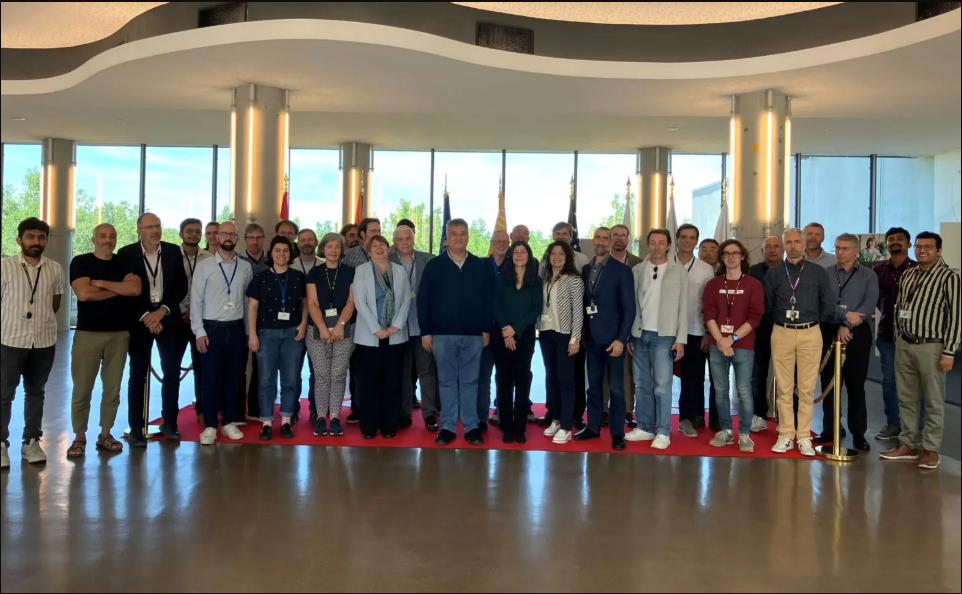
The International Thermonuclear Experimental Reactor (ITER) Test Blanket Module (TBM) project is advancing a key technology validation effort in the field of fusion energy. The Test Blanket Modules address the breeding blanket requirements of future fusion power plants, aiming to validate tritium breeding concepts under reactor operating conditions, providing a technical foundation for fusion fuel cycle self-sufficiency. Group photo at the European TBM Preliminary Design Review meeting held at ITER Headquarters. F4E-ITER Organization In a fusion reaction, deuterium and tritium fuse and release high-energy neutrons. When high-energy neutrons enter a lithium-containing blanket, they can interact with lithium to produce new tritium, which then re-enters the fuel cycle. Due to the scarcity of natural tritium resources, the breeding blanket is...
2026-08-07

American Fusion Adds Six New Patent Applications for Texatron Fusion Technology
On August 6, American Fusion announced that it has filed six new patent applications in the United States covering multiple technical aspects of its proprietary Texatron Fusion Engine platform. This brings the company's total number of patent applications filed in the U.S. to 82. American Fusion stated that these applications continue its strategy of building an intellectual property portfolio around the Texatron platform, covering reactor architecture, plasma confinement, electromagnetic systems, fuel delivery, reactor control, power management, and related engineering technologies supporting the continued development and future commercialization of the Texatron Fusion Engine. The company's Chief Legal Officer, Michael G....
2026-08-07
UK's MAST Upgrade sets plasma pressure record in fifth experimental campaign
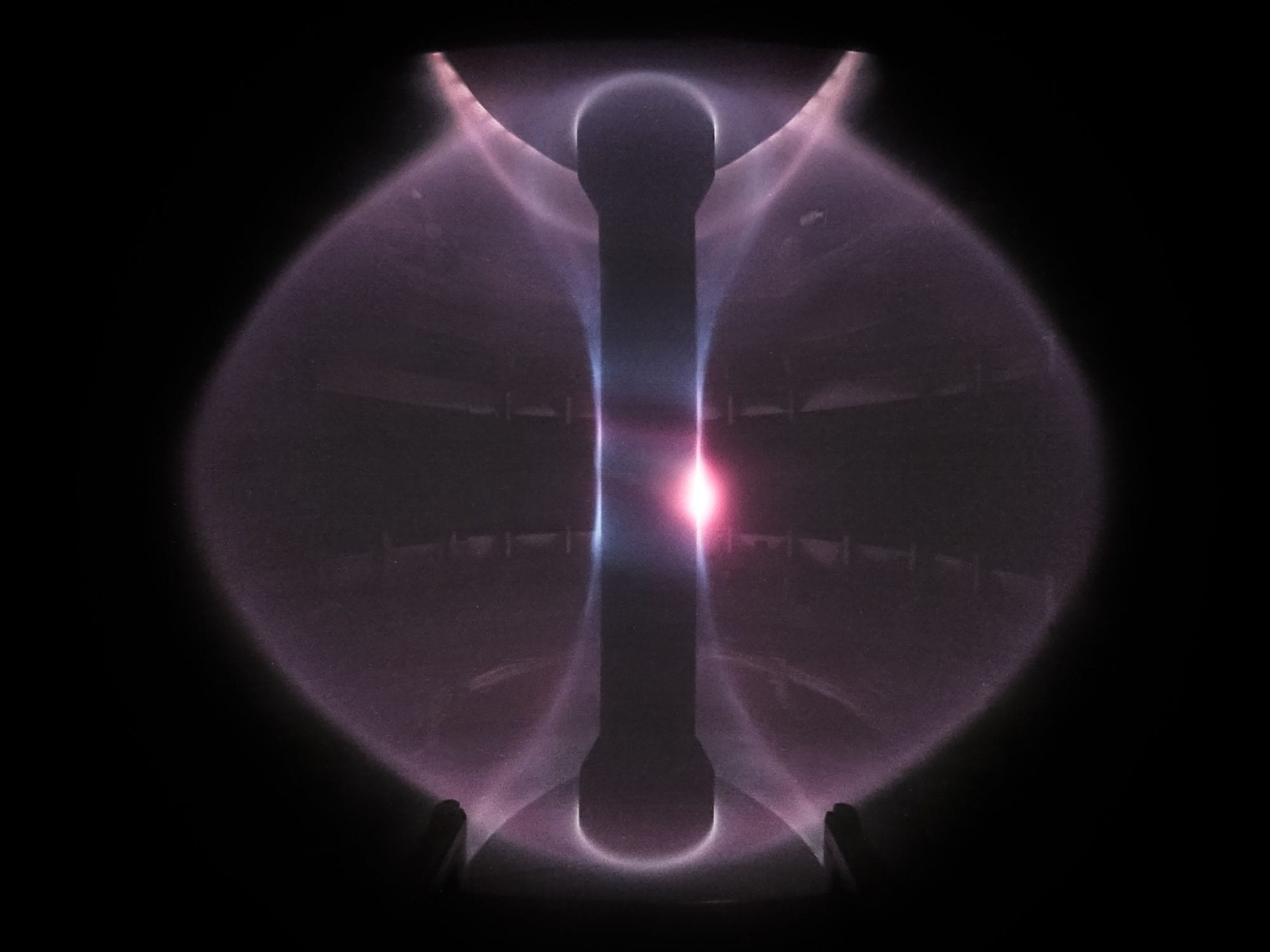
The UK Atomic Energy Authority (UKAEA) has completed the fifth experimental campaign of its flagship fusion experiment, MAST Upgrade. The campaign, conducted between 2025 and 2026 at the Culham Campus in Oxfordshire, UK, produced over 1,100 plasma pulses and achieved the device's highest-ever plasma pressure while overcoming plasma instability issues. In fusion devices, hydrogen isotopes must be heated, compressed, and confined under extremely high temperatures and pressures. The higher the plasma density and temperature, the stronger the fusion reaction, and high-pressure plasmas are also closer to the operating conditions required for future commercial fusion power plants. UKAEA stated that this...
2026-08-07
TAE Technologies and Black Moon Energy Sign Helium-3 Supply Cooperation Agreement
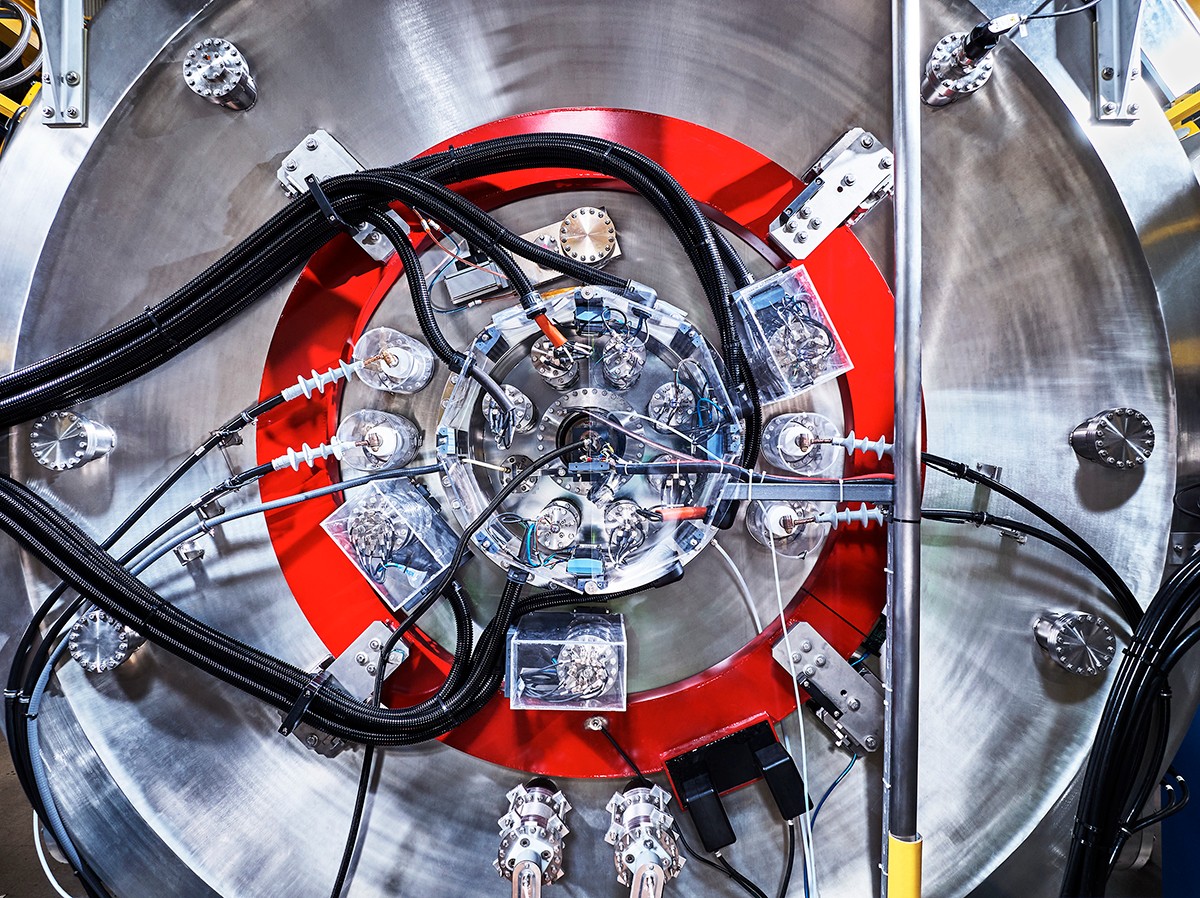
On August 5, local time, fusion energy company TAE Technologies announced a cooperation agreement with Black Moon Energy Corporation (BMEC). The two parties will collaborate on helium-3 (He-3) fuel supply solutions and commercial development needed for the future commercialization of fusion energy. Under the agreement, Black Moon Energy will supply helium-3 fuel to TAE Technologies. TAE Technologies CEO Michl Binderbauer stated that the agreement helps accelerate the company's energy goals through alternative fuel supply solutions. The company noted that its fusion technology pathway offers high flexibility in fuel cycle selection, allowing it to choose more cost-competitive fuel cycles based on long-term fuel market changes.
2026-08-06

Oak Ridge National Laboratory Licenses Cryogenic Fuel Pellet Technology to Type One Energy
The U.S. Department of Energy's Oak Ridge National Laboratory (ORNL) has licensed a suite of cryogenic fuel pellet injection technologies to Type One Energy to advance fuel supply capabilities needed for high-performance fusion plasma operations. The two parties signed the licensing agreement on August 5 in Knoxville, Tennessee, USA. The license covers four ORNL inventions, primarily related to the design and operation of cryogenic fuel pellet injection systems. The technology forms solid hydrogen isotope fuel pellets at cryogenic temperatures near absolute zero and injects them into fusion plasma at high speeds. Compared with methods such as gas injection, pellet injection is more effective at delivering fuel deeper into the plasma...
2026-08-06

UC Santa Barbara and Lawrence Livermore National Laboratory Collaborate to Accelerate Fusion Plasma Simulations with AI
The University of California, Santa Barbara (UCSB) and Lawrence Livermore National Laboratory (LLNL) are launching a new collaboration to bring artificial intelligence into extreme plasma simulations, accelerating critical computations in nuclear fusion and high-energy-density physics research. Neel Sankaran (left), a doctoral student of UCSB Professor Haewon Jeong, poses with LLNL scientist Min Sang Cho (right). The project is led by the Department of Electrical and Computer Engineering at UC Santa Barbara...
2026-08-05

U.S. Team Proposes New In-Situ Cleaning Method for Porous Tungsten Walls in Fusion Devices
Researchers from the U.S. Department of Energy's Princeton Plasma Physics Laboratory, Princeton University, and Pennsylvania State University have proposed an in-situ cleaning method for fusion system wall materials, which uses heating combined with neon plasma to remove contaminants from the surface of porous tungsten materials after components are installed and sealed within a vacuum chamber. The research findings have been published in *Nuclear Materials and Energy*. Image credit: Kyle Palmer / PPPL Communications Department. Fusion system walls must withstand extreme temperatures. Liquid lithium is considered a promising wall protection material, which can be retained within porous tungsten wall tile structures much like water absorbed by a sponge. However, this...
2026-08-05

First H-mode plasma with ELMs achieved on WEST
Recently, the C13 experimental campaign on the French tungsten tokamak WEST achieved a major breakthrough, successfully producing H-mode plasmas with Edge Localized Modes (ELMs). This is a key step in preparing for plasma scenarios relevant to the International Thermonuclear Experimental Reactor (ITER) and future fusion power plants. Over the past nearly three months, scientists, engineers, and technicians from the French Alternative Energies and Atomic Energy Commission (CEA) at Cadarache, together with international collaborators, conducted the C13 experimental campaign. This campaign aimed to address a series of key scientific and technical challenges in magnetic confinement fusion, covering the behavior of plasma-facing components and advanced plasma scenarios. The experiments focused on...
2026-08-04
American Fusion Inc Appoints Nuclear Diagnostics Expert as Strategic Advisor in Preparation for Texatron Testing
American Fusion Inc announced on August 3 that it has appointed Dr. Noah D'Amico as a strategic advisor to the company. The company stated that this move will strengthen its scientific, engineering, and advanced diagnostics team configuration, and support the next phase of its Texatron Fusion Engine testing program at Texas Tech University. After joining American Fusion Inc, Dr. D'Amico will continue his roles at Texas Tech University and BlankSlate Innovation, serving as Chief Operating Officer of BlankSlate Innov...
2026-08-04

Syntec Optics Secures Fusion Energy Orders, AI Data Center-Related Orders Exceed $4 Million
Syntec Optics Holdings, a U.S. custom manufacturer of high-precision optics and photonics, announced on August 3 that it has recently secured a new batch of fusion energy-related orders, with order volume reaching 7 times the amount of similar orders at the end of last year. According to the company, this round of renewed orders involves special optical components for fusion reactors. These components will serve compact high-performance fusion reactors, helping related equipment conduct observation and control in extreme high-temperature environments. Fusion reactor operating environments feature extremely high temperatures, imposing stringent requirements on the precision, stability, and reliability of optical devices. Syntec Optics stated that since entering...
2026-08-04

Progress and Cost Performance Management of the ITER Project Enhancement
The ITER Organization reported on July 29 that, regarding the construction progress and cost control of the International Thermonuclear Experimental Reactor (ITER), the project team has established a more detailed monthly tracking mechanism, and regularly reports key performance indicators, updated estimates at completion, and milestone trend analyses to the ITER Council. The ITER project is large in scale with complex interfaces; management efforts involve not only overall schedule and budget but also continuous assessment of thousands of activities including design, manufacturing, component installation, commissioning, and operational readiness. For tasks on the critical path, even delays of a few weeks can have cascading effects on multiple construction work packages. To identify...
2026-08-03

Fuse Signs Five-Year Cooperative R&D Agreement with Nevada National Security Sites
U.S. fusion energy company Fuse Energy Technologies Corporation (Fuse) announced on August 2 that it has signed a five-year Cooperative Research and Development Agreement (CRADA) with Mission Support and Test Services (MSTS) at the Nevada National Security Sites (NNSS). MSTS manages and operates NNSS. The agreement establishes a long-term collaboration framework between Fuse and NNSS. The initial research projects will focus on next-generation fusion technology validation, tritium-related capability enhancement, increasing neutron yield from pulsed fusion generators, and U.S. domestic...
2026-08-03

QST completes first gyrotron 170 GHz microwave output test at ITER site
The National Institutes for Quantum Science and Technology (QST) of Japan announced on July 31 that it has completed the integration and operational testing of the first gyrotron system at the International Thermonuclear Experimental Reactor (ITER) site in southern France, successfully producing 170 GHz microwave output. This system is used for ITER plasma generation and heating, and is one of the key devices for ITER's plan to commence operations in 2034. The core equipment of this test is the gyrotron, a high-power microwave source. Gyrotron operation requires the coordinated work of peripheral equipment such as power supplies, superconducting coils, and cooling systems. QST previously completed performance testing of eight ITER gyrotron systems at the gyrotron test facility of the Naka Fusion Institute in Japan, and transported components including gyrotrons, superconducting coils, and quasi-optical matching units to the ITER site. Over the past three years, QST has advanced system installation, commissioning, and operational preparation at the site.
2026-07-31

South Korean University Team Files Patent for Fusion Reactor Optimization Design Method
Professor Hong Bong-geun of the Department of Quantum System Engineering at the College of Engineering, Jeonbuk National University, South Korea, has recently filed a patent for a fusion reactor optimization design method. This method can determine device dimensions and key component structures while enabling customized performance design for fusion reactors based on different applications such as power generation, thermal energy utilization, and transmutation neutron sources. According to reports, this design technology targets the early-stage R&D phase of fusion devices and can be used to rapidly assess the technical and economic feasibility of proposals, thereby reducing trial-and-error, shortening development cycles, and lowering development costs, providing design support for fusion energy commercialization...
2026-07-31
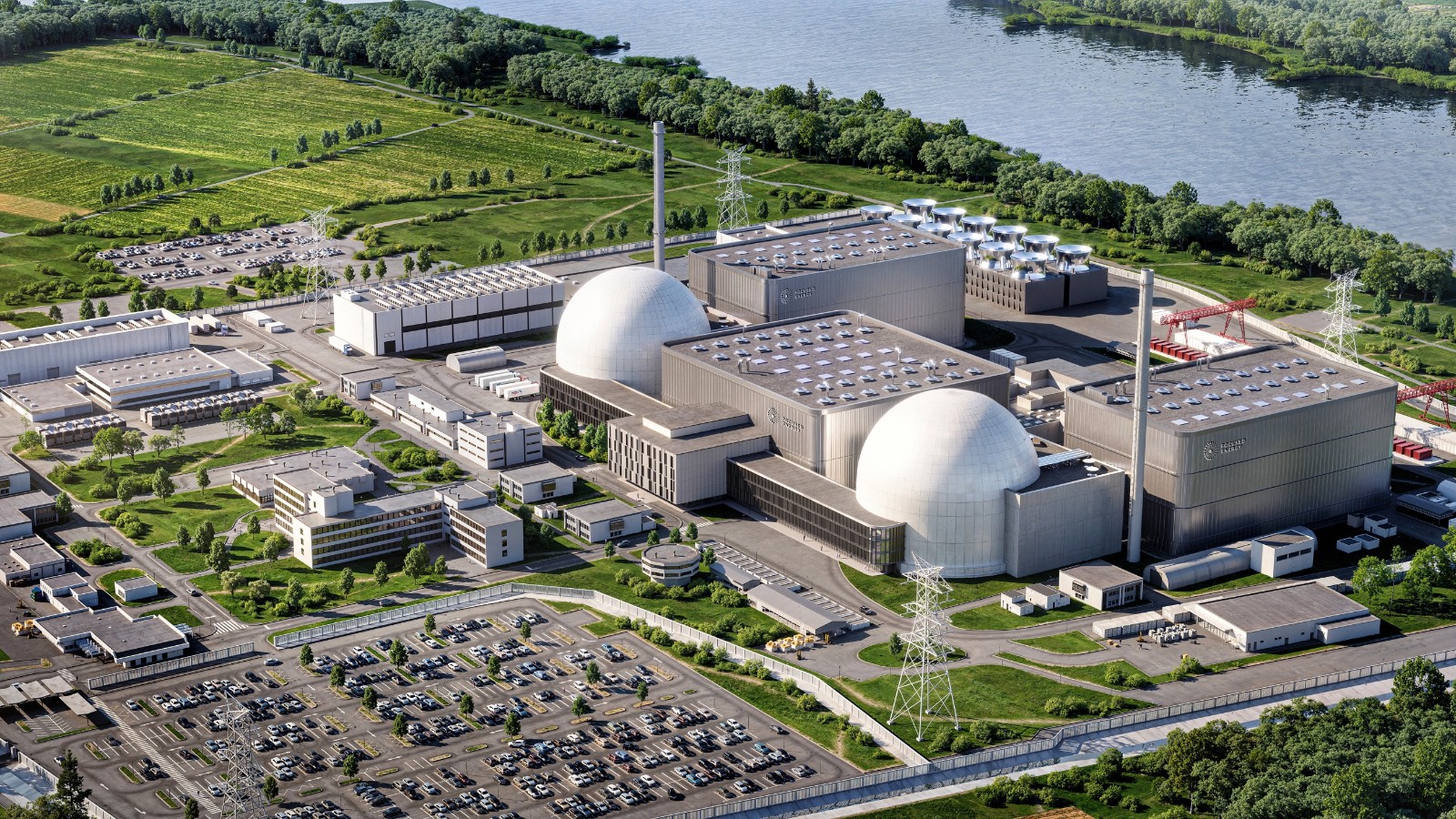
Germany's Hesse to Build National Laser Fusion Center, Plans Commercial Laser Fusion Power Plant at Biblis
The German Federal Ministry for Research, Technology and Aerospace (BMFTR) announced on July 29 that Hesse will become the site of Germany's National Laser Fusion Center. The center is one of three national fusion capability centers established under Germany's Fusion 2040 program and the High-Tech Agenda, aiming to promote the coordinated development of fusion research, industry, and infrastructure. According to the arrangement, Focused Energy will play a core role in the construction of the center. The project is located at the site of the former Biblis nuclear power plant in Hesse, where Focused Energy plans to build a laser fusion industrialization park and promote the construction of what it claims will be the world's first commercial laser fusion power plant. Germany's...
2026-07-30

Germany to Establish Fusion Technology Research Center at Karlsruhe Institute of Technology
The German federal government is advancing the layout for the country's first fusion reactor. According to a decision announced on July 29, 2026, by the German Federal Ministry of Research, Technology and Space (BMFTR), one of three newly established fusion research centers will be located at the Karlsruhe Institute of Technology (KIT), focusing on fuel cycles, new materials, and engineering technology research for fusion power plants. In line with Germany's Fusion Action Plan, the new research centers will integrate the efforts of scientific institutions and industry to concentrate on solving key technical challenges before the application of fusion energy. The center at KIT will leverage the institute's expertise in fusion fuel cycles, high-performance materials, and core reactor components to advance related achievements...
2026-07-30
Reading Ranking
- 1 California Signs Two Bills to Reshape Advanced Nuclear Fission and Fusion Energy Strategy
- 2 Russia's Kurchatov Institute to Receive 5.7 Billion Rubles in Fiscal Budget Support: Focusing on Controlled Thermonuclear Fusion and Advanced Plasma Technology R&D
- 3 France's ITER research program may start before 2034
- 4 Russia Plans to Build New Tokamak Device Using Reactor Technologies
- 5 QST completes first gyrotron 170 GHz microwave output test at ITER site
- 6 Israel's nT-TaO Signs Memorandum of Understanding with US-based Orion to Explore Deployment of Compact Fusion Systems for Data Center Power Supply
- 7 Japan's GX Promotion Organization Invests in Nuclear Fusion Startups
- 8 U.S. Fusion Energy Company CFS Completes $1 Billion Equity Financing
- 9 South Korea's POSCO Group Invests in Japanese Fusion Company Kyoto Fusion Engineering
- 10 Naju City, Korea Proposes Construction of National Fusion Energy Center
- 11 Tennessee Issues First-Ever Commercial Fusion-Specific Permit in the U.S. to Type One Energy
- 12 AMPERA and Lawrence Livermore National Laboratory Collaborate to Develop Advanced Nuclear Fuel
- 13 DOE's Oak Ridge National Laboratory and REV Advance Shared Fusion Test Platform Construction
- 14 General Fusion Announces Business Update: LM26 Plasma Heated to Approximately 0.72 keV
- 15 UK Tokamak Energy completes testing of Demo4 fusion high-temperature superconducting magnet system