

India's Hylenr Technologies Claims Detection of Rare Earth Element Signatures in Lattice-Confined Fusion System
Indian deep-tech company Hylenr Technologies announced on September 9 that it has observed evidence of element formation in an engineered lattice structure system, including rare earth element signatures. The company stated that this result could provide a technological pathway for nucleosynthesis and strategic materials production that differs from traditional mining. According to the company, the related results stem from Hylenr Technologies' more than 10 years of fusion technology research centered on lattice-confined fusion. Part of the research, titled "Nuclear Signatures in Hydrogen-Loaded Nickel-Palladium Lattice-Confined Systems," was presented earlier this month at the 27th International Conference on Condensed Matter Nuclear Science...
2026-09-10
US-based Thea Energy Unveils Helios Stellarator Fusion Power Plant Design
On September 9, 2026, Thea Energy, Inc., a fusion energy company based in Kearny, New Jersey, announced that 16 peer-reviewed papers on its Helios fusion power plant design had been published in a special issue of Fusion Engineering and Design (FED). The special issue, titled "Thea Energy's Helios Stellarator Power Plant Design," presents the Helios architecture and its key engineering solutions. According to Thea Energy, Helios is a stellarator fusion power plant architecture oriented toward commercial deployment requirements, integrating magnet coils that can be controlled by software to adapt to actual operating conditions, a stellarator divertor exhaust system for continuous fusion power generation operations, and a sectorized maintenance scheme supporting long-term operation...
2026-09-10

UK Tokamak Energy completes testing of Demo4 fusion high-temperature superconducting magnet system
On September 9, 2026, Tokamak Energy of the UK announced the completion of a 14-month testing campaign for its Demo4 fusion magnet system, validating the company's capabilities in the design, manufacture, integration, and operation of complete high-temperature superconducting (HTS) magnet systems. The technical experience gained from Demo4 testing is now being applied to the collaboration between Tokamak Energy and UK Fusion Energy (UKFE), supporting the development of HTS magnet systems for the Spherical Tokamak for Energy Production (STEP) fusion program. The results also target HTS commercial applications beyond fusion, and...
2026-09-09
Two South Korean companies to collaborate on expanding fusion energy projects
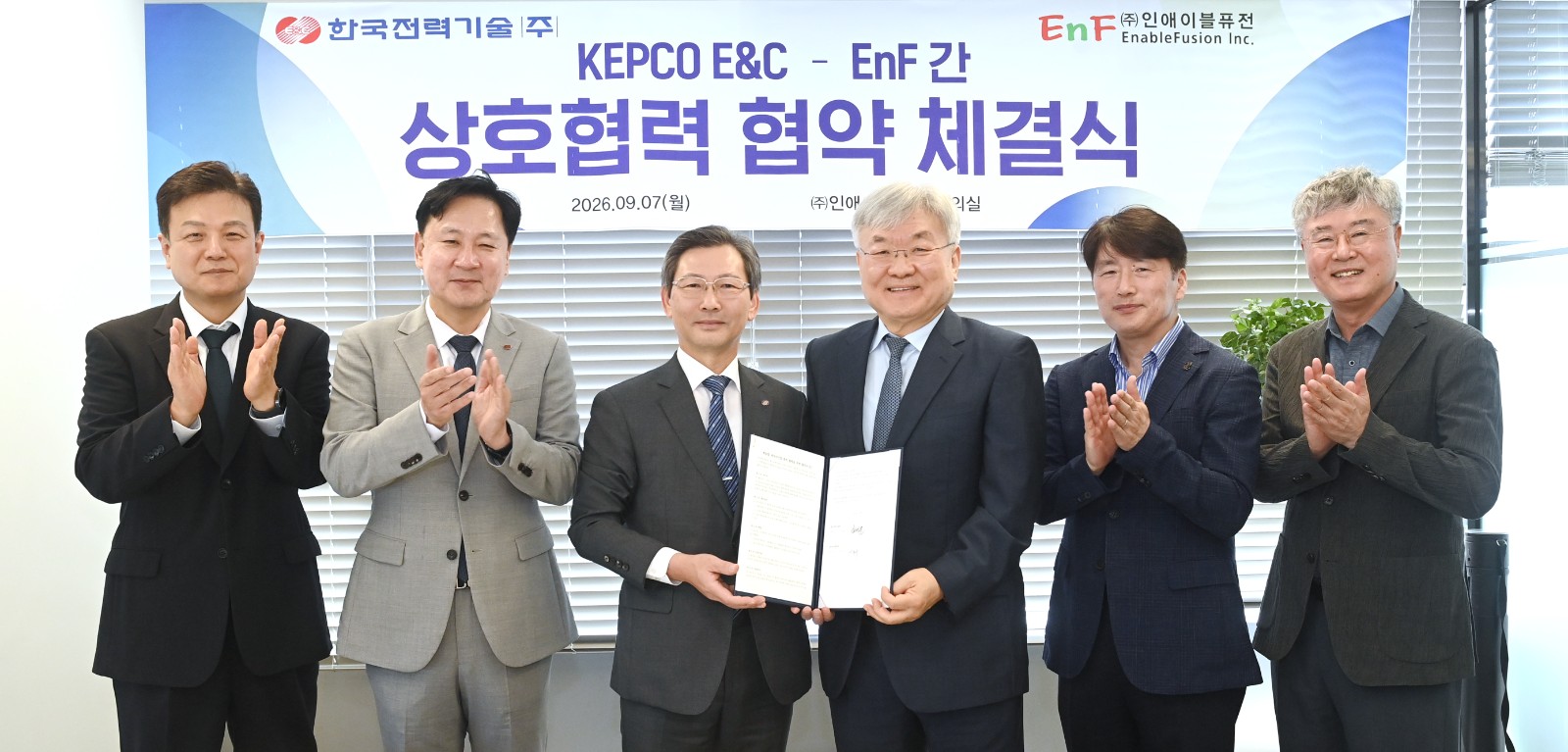
KEPCO Engineering & Construction (KEPCO E&C) signed a Memorandum of Understanding (MOU) with Enable Fusion on September 7 at the Daejeon Science Center to establish a cooperation framework for participation in fusion energy projects, technology sharing, and joint business development. Kim Tae-kyun, President of KEPCO E&C, and Lee Kyung-soo, CEO of Enable Fusion, attended the signing ceremony. Under the MOU, the two parties will provide each other with technical and commercial information required for participation in the construction of fusion power facilities and jointly develop fusion energy projects both domestically and overseas. KEPCO E&C plans to...
2026-09-08
Digital twins are becoming an important R&D pathway in fusion research
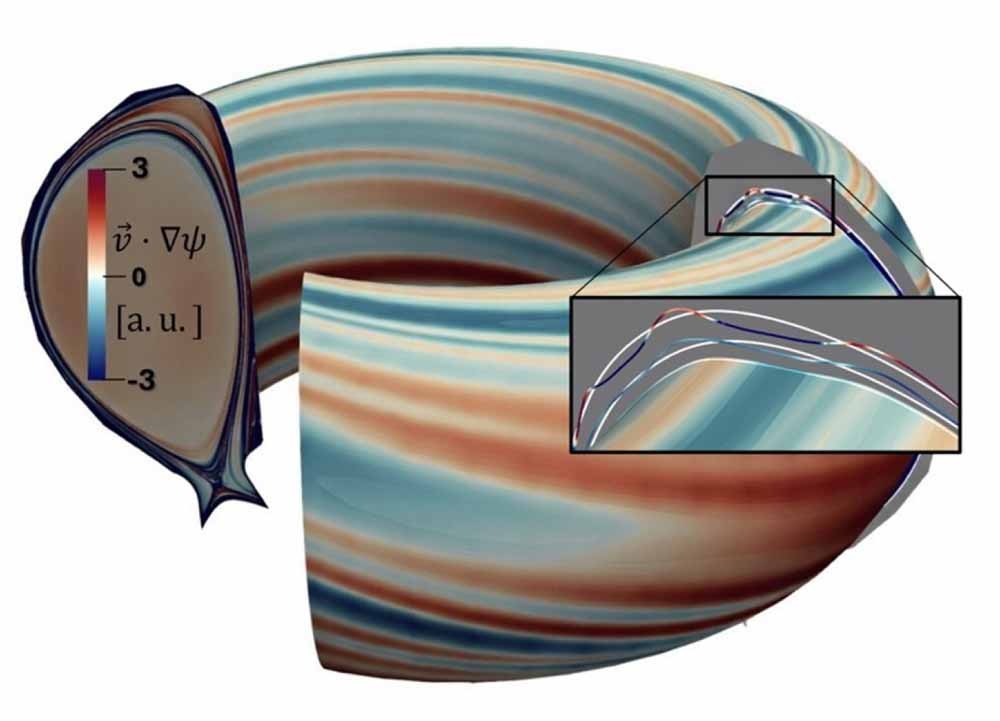
Recently, a new paper reviewed the progress of digital twin technology in fusion research over the past five years and noted that several key gaps remain before a complete digital twin model of a fusion power plant can be achieved. Simulating the movement of tungsten in the plasma core. Copyright: (F. Jenko et al., 2026, *Nuclear Fusion* 66 116014) Digital twins are a class of virtual models that reflect the structure, environment, and behavior of physical systems, and can be used to predict future system states and inform real-world decision-making. In fusion research, as issues in plasma physics, device engineering, and material interactions grow increasingly complex, digital twins are considered promising...
2026-09-07
Japan Selects Four Companies for Fusion Power Program
Japan's Ministry of Economy, Trade and Industry (METI) has conditionally selected EX-Fusion, Helical Fusion, Linea Innovation, and Starlight Engine to participate in a fusion program targeting reactor operation in the 2030s. The program will provide approximately $370 million, equivalent to around €318 million, in subsidies to selected projects by the end of February 2029. Specific funding allocations are still subject to formal grant decisions. The support corresponds to commitments in Japan's 2023 fusion strategy, which sets out the goal of achieving fusion power in the 2030s...
2026-09-07
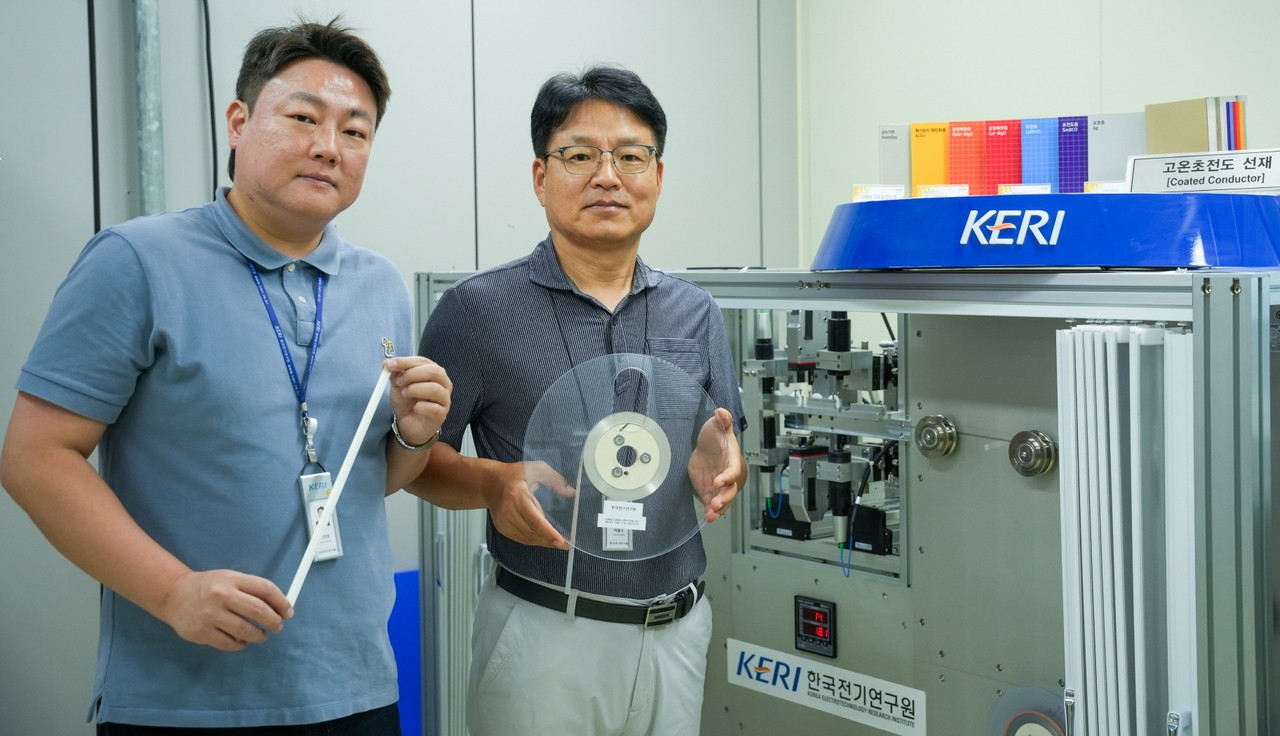
South Korea Develops 3D Non-Contact Inspection System for High-Temperature Superconducting Wire
The Korea Electrotechnology Research Institute (KERI) recently announced that a research team led by Ha Hong-su and Park In-sung at its Low-Temperature Device Research Center has developed a three-dimensional non-contact ultra-precision inspection system capable of continuously measuring the thickness and width of high-temperature superconducting (HTS) wire. The institute stated that this is the world's first such inspection system for HTS wire. KERI researchers Ha Hong-su and Park In-sung pose with a high-temperature superconducting wire beside the 3D non-contact ultra-precision inspection system. [Korea Electrotechnology Research Institute] HTS wire exhibits near-zero electrical resistance below a specific temperature, enabling high-current, low-loss transmission,...
2026-09-07

China's BEST Project Completes Delivery of Seven TF Coil Boxes
On August 30, 2026, as the final BEST Toroidal Field (TF) coil box passed all acceptance inspections and was shipped, Shanghai Electric Nuclear Power Equipment Co., Ltd. completed the development of seven core coil boxes for the BEST project. The project spanned approximately two and a half years, from the initiation of the first laser weld in January 2024 to the completion of all girth welds on products by the end of May 2026. The BEST TF coil box is a core pressure-bearing component in the magnetic field system of a tokamak device, primarily used to support the magnet structure, confine high-temperature plasma, and ensure stable device operation. Featuring an irregular and complex structure, high integration precision requirements, and demanding service conditions, this component imposes stringent requirements on specialized laser welding, precision machining, and geometric tolerance control...
2026-09-07
Germany's BEST and Luvata Partner to Expand Supply of RRP Superconductors for Fusion
Bruker Energy & Supercon Technologies (BEST) of Germany and Luvata Materials & Solutions, part of the Luvata Group, have announced a strategic partnership to expand the industrial supply capacity of high-performance RRP® superconductors for next-generation magnetic confinement fusion power demonstration projects worldwide. According to information released by the two companies, the collaboration will focus on enhancing the industrial readiness and availability of RRP superconductors, expanding manufacturing capabilities, and strengthening supply chain resilience to meet the large-scale demand for superconducting materials in high-field magnetic confinement fusion projects...
2026-09-05
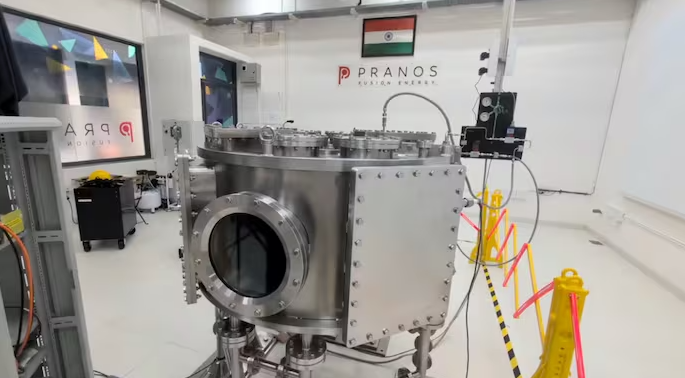
India's Private Fusion Tokamak PRAGYA Achieves Plasma Operation
Bengaluru-based deep-tech energy startup Pranos Fusion has produced plasma in its experimental device PRAGYA. The company states that PRAGYA is India's first compact tokamak developed by a private enterprise, marking a transition in India's private fusion research and development from the design and manufacturing phase to experimental operation. PRAGYA adopts a compact, low-aspect-ratio tokamak design, primarily used to generate, confine, and control plasma. Tokamaks use strong magnetic fields to confine high-temperature plasma within a toroidal vacuum vessel, creating conditions for future fusion of light atomic nuclei. The fundamental process of fusion reactions is the same mechanism by which the Sun releases energy, but engineering implementation still faces multiple challenges in plasma confinement, magnets, materials, and control systems.
2026-09-04
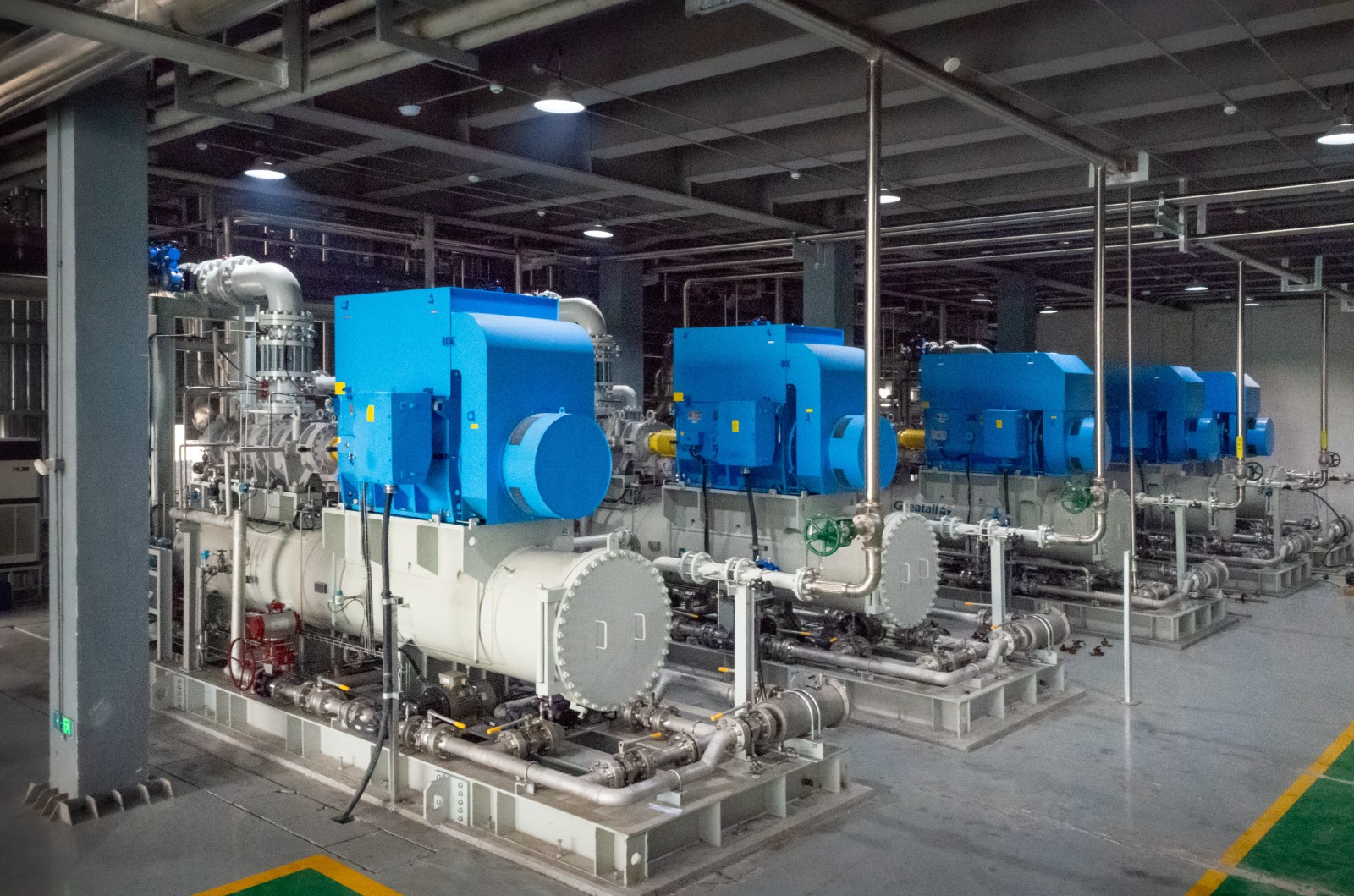
Commissioning of the CRAFT Cryogenic System 6 kW@4.5 K Helium Refrigerator Successfully Completed
Recently, significant progress has been made in the construction of the helium refrigeration system on the CRAFT magnet platform. The on-site commissioning and performance testing of the main body of the CRAFT cryogenic system 6 kW@4.5 K helium refrigerator have been successfully completed, with all indicators meeting the design acceptance requirements. The commissioning work focused on systematic verification of the cold box refrigeration performance, liquefaction capacity, control system, safety interlocks, and the operating status of key cryogenic equipment. During the acceptance tests, the helium refrigerator completed 12 hours of continuous stable operation under design conditions, achieving a refrigeration capacity of 6 kW@4.5 K + 50 K@GHe. In addition to design conditions, the project team also conducted performance tests under helium liquefaction conditions, with relevant temperature, pressure,...
2026-09-03

U.S. Develops Refractory Metal Powder Atomization System to Support Fusion Energy Materials Research
U.S. researchers are developing a new refractory metal powder atomization system to produce high-temperature alloy powders for extreme-environment applications. The system will support new materials research in areas such as gas turbines, aerospace equipment, and fusion energy systems. Jordan Tiarks, a scientist at Ames National Laboratory, stated that the laboratory has long been engaged in specialty powder production research, and the new system will expand its materials processing capabilities to higher temperature ranges and more challenging material systems. The research team noted that metal powders are a critical foundation for advanced manufacturing technologies such as powder metallurgy and additive manufacturing...
2026-09-03
US Realta Fusion and MGE Plan to Jointly Develop 200 MW Fusion Power Plant
Realta Fusion, a company developing magnetic mirror fusion energy technology, announced on September 2 that it has established a strategic partnership with Madison Gas and Electric (MGE) and its parent company MGE Energy, Inc. The two parties will jointly evaluate the feasibility of co-developing a 200 MW electric-class fusion energy power plant in Wisconsin, USA. Under the collaboration arrangement, the first phase includes a direct equity investment by MGE Energy in Realta Fusion. MGE has also agreed to provide equipment, engineering, and technical support to Realta Fusion, as well as assistance in project siting, permitting, grid interconnection, and financing to advance preliminary work for the proposed 200 MW fusion power project.
2026-09-03
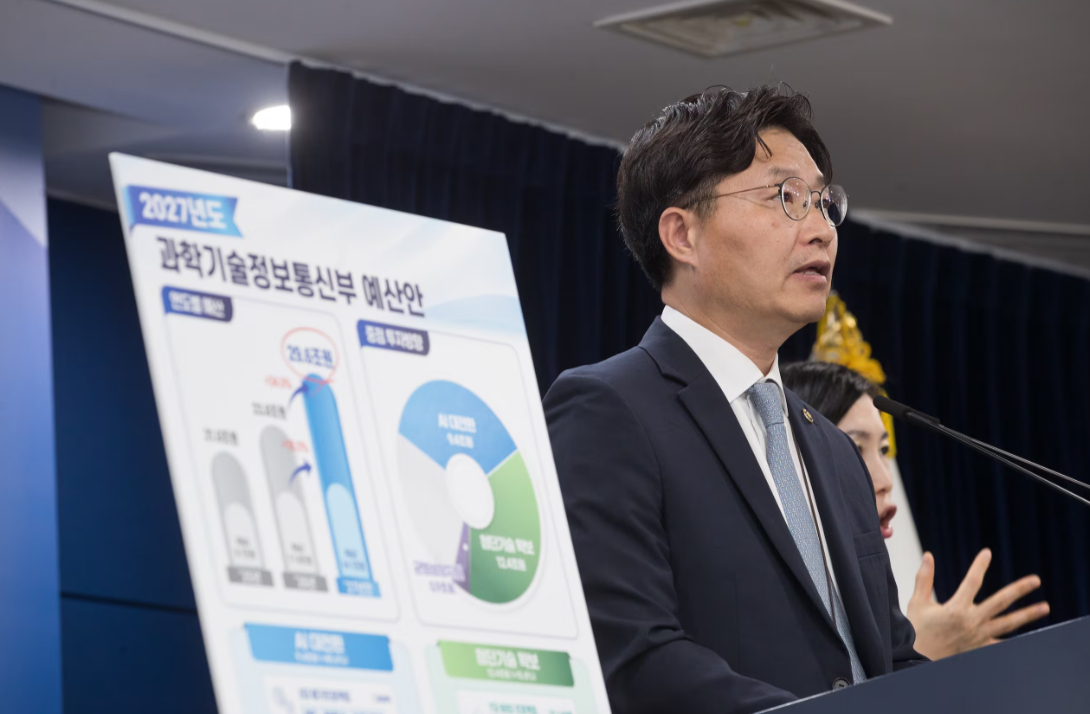
South Korea Plans to Increase R&D Investment in Nuclear Fusion and Small Modular Reactors
South Korea's Ministry of Science and ICT (MSIT) stated on September 1 that in the 2027 government budget proposal approved at a Cabinet meeting, the ministry's budget amounts to 29.6476 trillion Korean won, an increase of 24.5% compared to this year's supplementary budget. Of this, the R&D budget is planned to increase from 11.9 trillion won this year to 14.1 trillion won, accounting for 36% of the South Korean government's total R&D budget. In the science and technology sector, MSIT plans to invest 12.377 trillion won in R&D related to next-generation artificial intelligence and advanced technologies. In explaining the budget proposal, the ministry's First Vice Minister stated that in response to the growing electricity demand driven by AI development, South Korea will accelerate the development of future clean energy sources such as small modular reactors (SMRs) and nuclear fusion...
2026-09-02

Rock Fusion AI Platform Streamlines the Entire Stellarator Design Workflow
Recently, the AI agent collaboration platform for stellarator design independently developed by Rock Fusion has achieved full coverage of the entire design workflow, encompassing key stages such as zero-dimensional parameter design, plasma configuration optimization and performance analysis, as well as coil engineering feasibility assessment. The company stated that the platform can search over a thousand initial configurations and hundreds of thousands of coil schemes, reducing the typical design iteration cycle from several weeks to several days. Rock Fusion stellarator concept image. Leveraging this platform, Rock Fusion has completed the full-machine physics design of a medium-sized superconducting stellarator with a major radius of 2 meters and a central magnetic field of 3 tesla. Design work for the company's other devices under development is also being advanced on the same platform. Stellarators rely on external three-dimensional coils to directly generate helical magnetic fields, eliminating the need to sustain magnetic confinement through plasma current. This mechanism inherently reduces the risk of major disruptions faced by tokamaks and offers the potential for long-pulse steady-state operation. In 2025, Germany's Wendelstein 7-X (W7-X) stellarator achieved significant progress in the "triple product" metric during long-duration discharges, drawing greater attention to the stellarator route.
2026-09-02
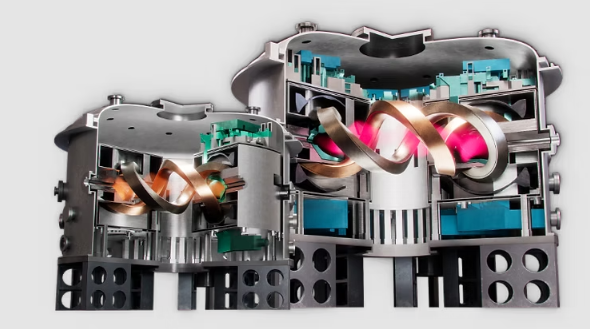
Japan's Helical Fusion Technology Selected as Candidate for METI's Fusion Demonstration Program
Helical Fusion Co., Ltd. has recently been selected as a final candidate for the fusion power demonstration project support program by Japan's Ministry of Economy, Trade and Industry (METI). The program aims to align with Japan's national fusion strategy, advancing fusion energy into the demonstration phase by the 2030s and building the technical foundation for subsequent commercialization. The left image shows Helix HARUKA, Helical Fusion's integrated demonstration device; the right image shows Helix KANATA, Helical Fusion's fusion test plant. Under the current arrangement, the program will provide approximately 60 billion yen in government funding over three years through 2028, supporting private-sector R&D across multiple fusion technology...
2026-09-01

U.S. University Establishes Fusion Energy Seed Fund to Support Four Interdisciplinary Research Projects
The Institute for Fusion Studies at The University of Texas at Austin recently launched a fusion energy seed fund to support four interdisciplinary research projects. These projects will bring together teams from plasma physics, engineering, and computational science to address challenges in control, materials, particle confinement, and edge plasma simulation faced by fusion devices such as tokamaks. The fund is supported by the Institute for Fusion Studies (IFS), the Oden Institute for Computational Engineering ...
2026-09-01
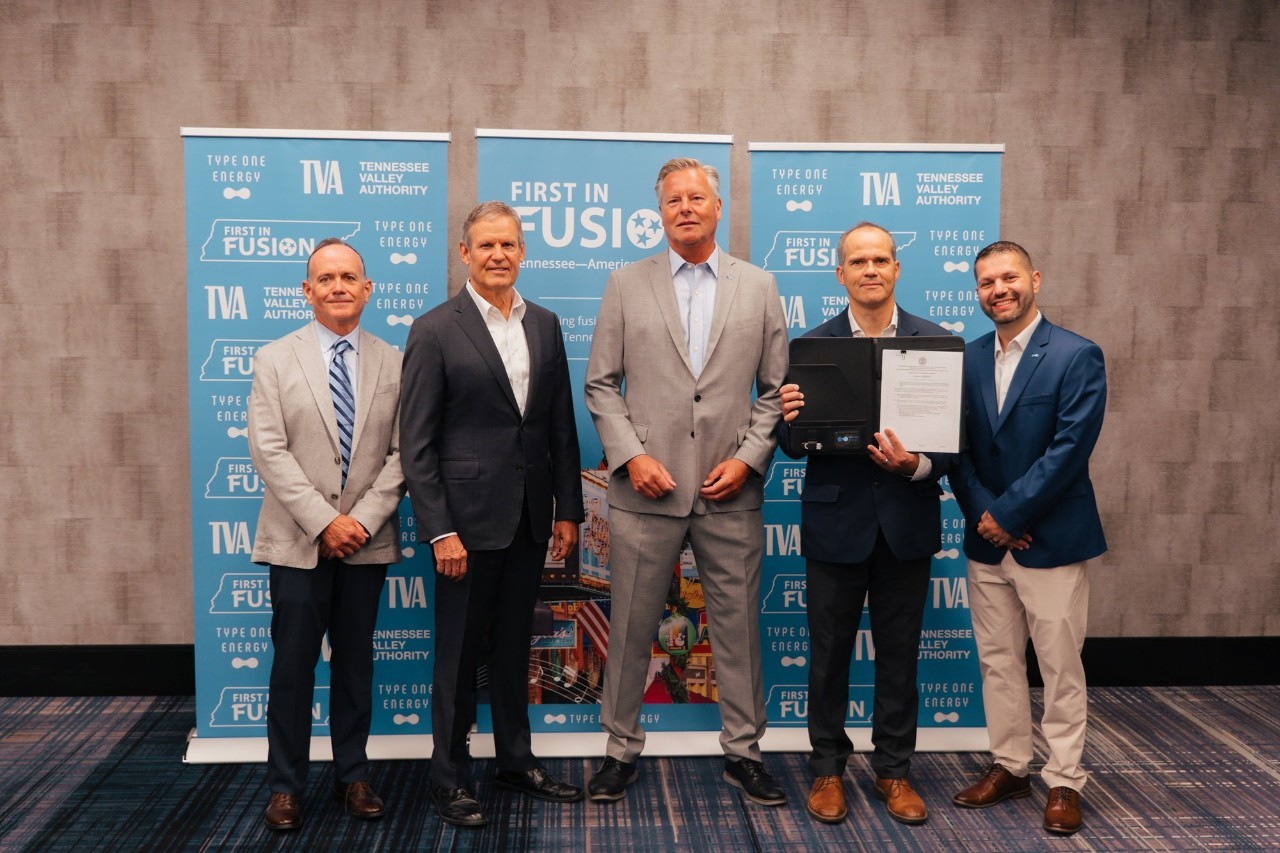
Tennessee Issues First-Ever Commercial Fusion-Specific Permit in the U.S. to Type One Energy
The Tennessee Department of Environment and Conservation (TDEC) has issued Type One Energy the state's first permit specifically for a fusion energy facility, allowing the company to advance fusion-related projects at the Tennessee Valley Authority's (TVA) Bull Run Energy Complex in Clinton. Tennessee officials stated this is the first permit of its kind in the United States issued under a new state-level fusion regulatory framework. Tennessee Governor Bill Lee, alongside fusion energy partners, presented the first U.S. permit specifically for a commercial fusion facility on Monday at the Organization of American States (OAS) annual meeting in Nashville. (LR) TVA Interim...
2026-09-01

Signed Article by Liu Mingsheng, Chairman and Party Secretary of State Power Investment Corporation (SPIC)
Seizing the High Ground of Future Energy, Accelerating the Pace of Green Transformation Liu Mingsheng, Chairman and Party Secretary of State Power Investment Corporation (SPIC) At present, a new round of technological revolution is converging historically with the green, low-carbon transformation of energy, and future industries are becoming a strategic battleground for reshaping the global competitive landscape. General Secretary Xi Jinping's series of important remarks on future industries, made from the strategic height of advancing the building of a strong nation and the great cause of national rejuvenation, provide important guidance for developing future industries, building a modern industrial system, and grasping the initiative in development. As the world's largest clean energy power generation enterprise, SPIC has always regarded the development of future industries as a strategic lever for safeguarding the nation's long-term energy security and winning the initiative in development...
2026-08-31

Korea's Eugene MS Wins KRW 11.4 Billion Order for ITER Core Components
Korea's Eugene MS announced on August 31 that it has signed a contract with the Korea Institute of Fusion Energy (KFE) to produce and supply the second batch of vacuum vessel port sealing flanges for the International Thermonuclear Experimental Reactor (ITER). The contract is valued at approximately KRW 11.4 billion, equivalent to about 44% of Eugene MS's 2025 revenue of KRW 25.9 billion. The contract period runs through December 2030. Under the arrangement, the sealing flanges will be delivered to the ITER Organization in three batches, with final inspection and related procedures scheduled for completion by June 30, 2031. The ITER vacuum vessel port sealing flanges consist of large fasteners and other components...
2026-08-31
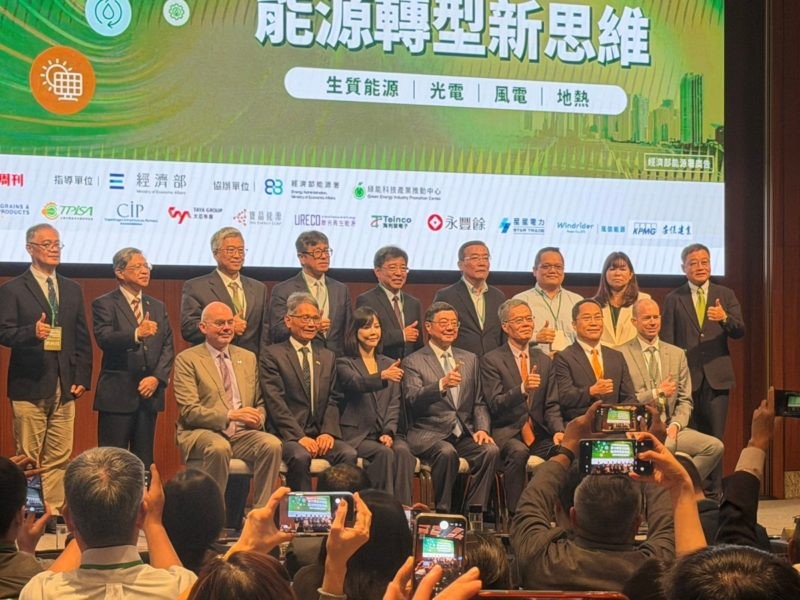
Taiwan plans to include small modular reactors and nuclear fusion in new energy exploration
Taiwan's administrative agency head Cho Jung-tai stated on August 26 that, in response to the rapid global development of energy technologies, Taiwan maintains an open attitude toward new nuclear energy technologies and has gradually invested in research and evaluation of directions such as small modular reactors (SMRs) and nuclear fusion. Relevant budgets have been included in discussions, and the central government's general budget for the next fiscal year also plans to allocate funds for engaging with and tracking global nuclear fusion technology progress. Cho Jung-tai stated at a new energy forum that day that, for Taiwan, energy types that have not yet entered large-scale commercial application or whose research and development technologies are still immature can all be regarded as targets for new energy exploration. In addition to technologies such as geothermal, small hydropower, and hydrogen energy, new nuclear energy has also been listed as a direction for future sustained observation and research...
2026-08-31
Reading Ranking
- 1 Yanchaojuneng Completes VPI of Stainless Steel-Jacketed Superconducting Prototype Coil for Stellarator
- 2 All Four ITER Test Blanket Module (TBM) Conceptual Designs Pass Preliminary Design Review
- 3 ITER Tokamak Plasma Instability Simulation Tool JOREK Released as Open Source
- 4 Final Design Review Completed for ITER Neutron Flux Monitor System #7
- 5 MOST Sets the Pathway for Hard-Core Science and Technology Breakthroughs in the "15th Five-Year Plan": Comprehensive and Systematic Deployment of Major Basic Research on Controlled Nuclear Fusion to Solidify the Foundation of Future Strategic Energy
- 6 Laser Fusion Startup Xcimer Receives Up to $30.5 Million in Milestone-Based Funding from U.S. Department of Energy
- 7 India's Private Fusion Tokamak PRAGYA Achieves Plasma Operation
- 8 U.S. Marathon Fusion Demonstrates Hydrogen and Lithium Isotope Enrichment Technology
- 9 Major Fusion Energy Appointment in the UK: MIT Professor Dennis Whyte Named CEO of UKAEA
- 10 Rock Fusion AI Platform Streamlines the Entire Stellarator Design Workflow
- 11 Wuke Superconducting Completes Tens of Millions in Angel Round Financing, Accelerating the Industrialization of High-Temperature Superconducting Tapes
- 12 Professor Yan Lixin's Research Group in the Department of Engineering Physics at Tsinghua University Collaborates to Achieve a Beyond-Megawatt Average Power Laser Optical Enhancement Cavity
- 13 Hangyang Share and Hangzhou Turbine Technology Jointly Invest in Startorus Fusion to Accelerate the Commercialization of Multi-Stroke Magnetic Reconnection Fusion
- 14 Key Breakthroughs Achieved in Development of Core Equipment for BEST Compact Fusion Energy Test Facility
- 15 Construction of the "Helong-2" project begins, advancing toward hydrogen-boron fusion power generation