

First Seven Experimental Stations of Russia's SKIF Synchrotron Planned for Commissioning in Summer 2027
The first seven scientific experimental stations at the Siberian Circular Photon Source (SKIF) shared center, located near Novosibirsk, Russia, are planned to begin beam testing in August 2027. According to the center's relevant official, all experimental station equipment has been fully installed, and experts are currently conducting commissioning work. Construction of the SKIF synchrotron was completed in June 2026. Once the project becomes operational, it will utilize synchrotron radiation to help researchers observe the internal structure of matter, obtaining high-precision data on material structure and behavior, which can serve fundamental research and related industrial R&D. As planned, the Budker Institute of Nuclear Physics of the Siberian Branch of the Russian Academy of Sciences will launch beam operation in the main storage ring in September...
2026-08-28
U.S. Advanced Light Source Upgrade to Enhance Nanoscale Research Capabilities for Quantum Materials
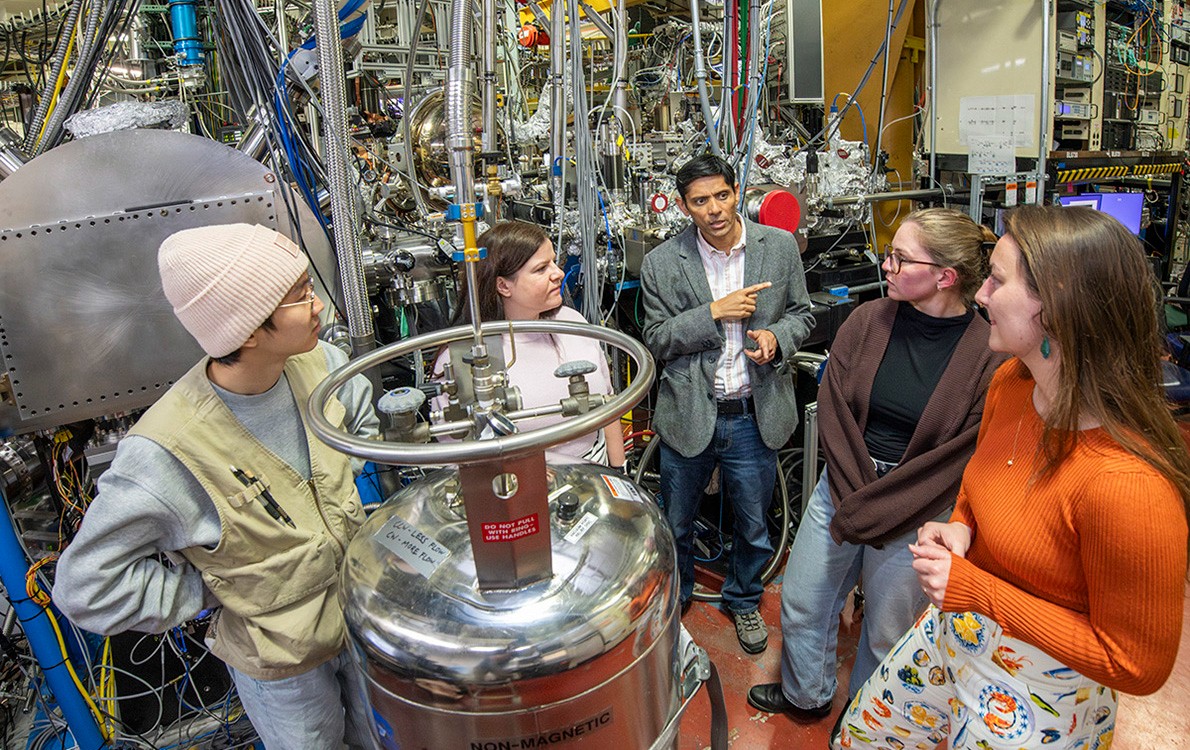
The Advanced Light Source (ALS) at Lawrence Berkeley National Laboratory in the United States is enhancing its quantum materials research capabilities through an upgrade project. As a U.S. Department of Energy Office of Science user facility, ALS has supported researchers worldwide over the past 30+ years in studying quantum materials such as superconductors, topological insulators, and correlated electron materials, leveraging its synchrotron soft X-ray, ultraviolet, and full-spectrum X-ray experimental capabilities. Doctoral students Wei Francis He (left), Kate Matthews (second from right), and Robin Greifke (right) from the University of California, San Diego, are from the Alex Frañó research group at the ALS COSMIC beamline (7.0.1)...
2026-08-27

German BESSY II Research Reveals: Cesium Chloride Seed Layer Can Improve Quality of Perovskite-Silicon Tandem Solar Cells
A team from the Helmholtz-Zentrum Berlin (HZB) in Germany used the BESSY II synchrotron radiation facility to conduct nanoscale analysis of perovskite-silicon tandem solar cells fabricated by evaporation methods, and proposed a new approach to improve the quality of perovskite thin films. The study shows that introducing a thin cesium chloride (CsCl) seed layer between the two sub-cells promotes uniform growth of the perovskite layer while reducing undesirable lead iodide deposition at the interface. The research demonstrates that the cesium chloride seed layer improves the growth of the evaporated perovskite layer and reduces the formation of lead iodide. Scanning electron microscopy images show that the perovskite layer grown without a seed layer (left image) consists of extremely fine crystallites...
2026-08-27

Tohoku University and Rigaku Establish Joint Research Institute for X-ray Metrology
Tohoku University and Rigaku Corporation, a subsidiary of Rigaku Holdings Group, recently announced that they established the "Rigaku-Tohoku University X-ray Metrology Co-Creation Research Institute Beyond The Limits" on August 1, 2026, and commenced joint research. The institute will operate for a period of three years, until July 31, 2029, with the possibility of extension based on research outcomes. According to the announcement, the new institute will focus on upgrading X-ray metrology technologies, establishing new measurement methods, and nurturing the next generation of researchers. As semiconductor devices continue to shrink in size while becoming increasingly multi-layered and multi-material in composition, manufacturing processes are growing more complex, driving rising demand for high-precision, non-destructive evaluation of materials and structures. Existing measurement methods face limitations in evaluating fine structures and precisely analyzing depth-direction structures, making the development of new approaches such as soft X-ray techniques an important direction.
2026-08-27

Canadian Light Source Synchrotron at University of Saskatchewan Receives $3 Million CAD in Upgrade Funding
On August 26, Innovation Saskatchewan announced that it will provide $3 million CAD in funding to the Canadian Light Source synchrotron at the University of Saskatchewan to support the installation of an advanced solid-state amplifier, advancing the facility's upgrade efforts. According to reports, this solid-state amplifier is a key component of the Canadian Light Source's core particle accelerator and will support the operation of its 22 synchrotron radiation beamlines. The upgrade is expected to enhance facility performance, operational reliability, and energy efficiency, further strengthening its capacity for cutting-edge scientific research. The Canadian Light Source is Canada's only synchrotron facility. Synchrotrons use electromagnetic fields and radiofrequency waves to accelerate electrons to near the speed of light, keeping them in a circular orbit; as electrons move, they generate high-brightness, highly focused synchrotron radiation beams, which are directed to different experimental beamlines to help researchers study material structures and properties at the atomic scale.
2026-08-27

Russia's SKIF Synchrotron First Scientific User Competition Expected to Launch in Second Half of 2027
The competition to select the first research teams for the Siberian Circular Photon Source (SKIF) synchrotron in Russia is planned for the second half of 2027. Valery Bukhtiyarov, Director of the Boreskov Institute of Catalysis of the Siberian Branch of the Russian Academy of Sciences, stated at the Technoprom-2026 forum held in Novosibirsk that the first open competition will be launched in the second half of 2027. The institute is responsible for commissioning the construction of this large-scale scientific facility. Bukhtiyarov noted that SKIF is scheduled to receive synchrotron radiation and conduct its first experiments in the autumn. Construction of the facility was completed in June 2026, with an opening ceremony held in August 2026. Once operational, SKIF will use synchrotron radiation to help...
2026-08-27

U.S. Interlune injects helium-4 into lunar soil simulant, simulating 15,000 years of solar wind exposure on the Moon in 4 hours
U.S. space infrastructure and resources company Interlune announced on August 26, 2026, that it has successfully injected helium-4 into and released it from simulated lunar soil material, with experimental results consistent with the behavior of real lunar samples collected by the Apollo program. The company stated that this capability can simulate nearly 15,000 years of solar wind exposure on the lunar surface in approximately 4 hours, providing a material basis closer to real conditions for testing lunar resource development equipment on Earth. The experiment focused primarily on ilmenite. According to studies of Apollo mission samples, ilmenite is the main helium-bearing mineral in lunar soil. Interlune formed a plasma by ionizing helium gas in a vacuum environment, then...
2026-08-27

U.S. STREAMLINE Project Advances Nuclear Quantum Many-Body Research with Artificial Intelligence
On August 25, 2026, a new project named STREAMLINE is combining artificial intelligence, machine learning, and supercomputing to address the nuclear quantum many-body problem in nuclear physics research, aiming to more accurately simulate the interactions between protons and neutrons within atomic nuclei and provide theoretical support for frontier topics such as neutron stars and fundamental interactions. The difficulty of the nuclear quantum many-body problem lies in the fact that as the number of particles increases, the possible interactions among them grow rapidly, and traditional computational methods quickly hit the ceiling of computing power. Even with high-performance supercomputers, only quantum systems of relatively limited scale can typically be handled. The STREAMLINE project hopes to...
2026-08-26
Lancaster University in the UK receives EPSRC funding to study antimatter production in intense laser pulses
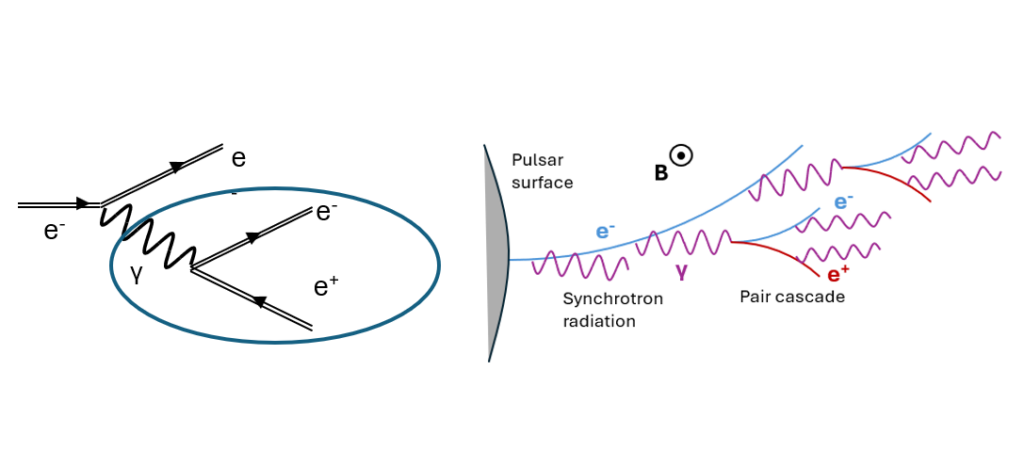
Christopher Arran, a lecturer at Lancaster University and the Cockcroft Institute in the UK, has recently been awarded a three-year New Investigator Award from the UK Engineering and Physical Sciences Research Council (EPSRC) to study electron-positron pair production in the extremely intense electromagnetic fields of high-power lasers. The research focuses on matter-antimatter production processes under intense laser pulse conditions. Similar interactions are believed to exist in extreme cosmic environments, such as near pulsars and black hole accretion disks. Previously, such interactions had only been measured at large particle accelerator facilities such as Stanford University and the European Organization for Nuclear Research (CERN), but the electric and magnetic field strengths used in those experiments were far weaker than the strong-field conditions achievable with current high-power lasers.
2026-08-26

Phase II of China Spallation Neutron Source in Dongguan expected to be completed by 2029
On August 26, a media delegation from the Guangdong-Hong Kong-Macao Greater Bay Area visited the China Spallation Neutron Source (CSNS) in Dongguan to learn about the operation of this major scientific facility and the progress of its Phase II project. The CSNS is China's first and the world's fourth pulsed spallation neutron source, often referred to as a "super microscope" for exploring the microscopic world. Since its opening in 2018, the facility has been operating in areas including basic research, research addressing major national needs, industrial innovation, and the integration of Hong Kong and Macao in science and technology innovation, and has become one of the key scientific research platforms in the Greater Bay Area. Tong Xin, Deputy Director of the Spallation Neutron Source Science Center, stated that the Phase II project of the CSNS is currently under construction, with a construction period from January 2024 to October 2029...
2026-08-26

Jamaica Launches Graduate Training Program in Radiation Protection and Safety, Poised to Become a Regional Center of Excellence in the Caribbean
Jamaica's newly established graduate training program in radiation protection and safety is being viewed as an important platform for enhancing nuclear technology safety capabilities in the Caribbean region. Chris Ardouin, an International Atomic Energy Agency expert and Senior Scientist and Technical Manager of Public Health and Forensic Science at the National Radiation Science Centre of New Zealand, stated that the program demonstrates Jamaica's potential to become a regional center of excellence for radiation protection and safety training. The six-month program, implemented as the first graduate education course in radiation protection and safety under the framework of the University of the West Indies' short-term academic resources, is currently training 12 professionals from seven CARICOM member states, with a focus on enhancing regional...
2026-08-26
Russian Research Team Proposes New Method for Studying Morphology of Flexible Crystals
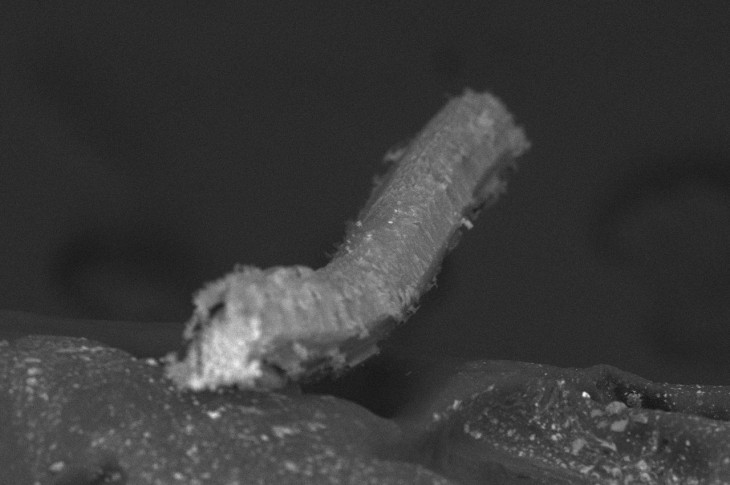
Experts from the Siberian Circular Photon Source Collaboration Center and the Institute of Solid State Chemistry and Mechanochemistry of the Siberian Branch of the Russian Academy of Sciences have proposed a comprehensive method for studying the morphology of flexible organic crystals. The method combines computational algorithms, laboratory microscopy techniques, and experimental diffraction studies, and can be used to more reliably determine crystal geometry and facet arrangement. The results have been published in the Journal of Applied Crystallography. Flexible crystals are a relatively rare class of organic crystals that can bend under very small mechanical stress while maintaining lattice integrity. Researchers indicate that among compounds with determined crystal structures, the proportion exhibiting such properties is less than...
2026-08-26
Rare Germanium Isotope Infrared Spectral Signatures Elucidated in Detail for the First Time
The press service of the Russian Ministry of Education and Science reported on August 25 that scientists from Tomsk Polytechnic University, in collaboration with an international research team, have for the first time conducted a detailed study of the infrared spectra of two rare germanium isotopes and identified characteristic spectral signatures that can be used to recognize the relevant isotopes in complex gas mixtures. The research team selected two highly enriched isotopes—germanium-72 and germanium-73—as the subjects of the study, recording their spectral information using a high-resolution Fourier transform spectrometer. This instrument is capable of resolving closely spaced spectral lines, providing the conditions for analyzing subtle spectral changes induced by isotopic substitution. The researchers stated that precise spectral data for different germanium isotopes remain relatively scarce in the scientific literature, and such data are of significant importance for identifying molecules in planetary atmospheres and for producing ultra-pure germanium isotopes for quantum technologies and modern electronics.
2026-08-26
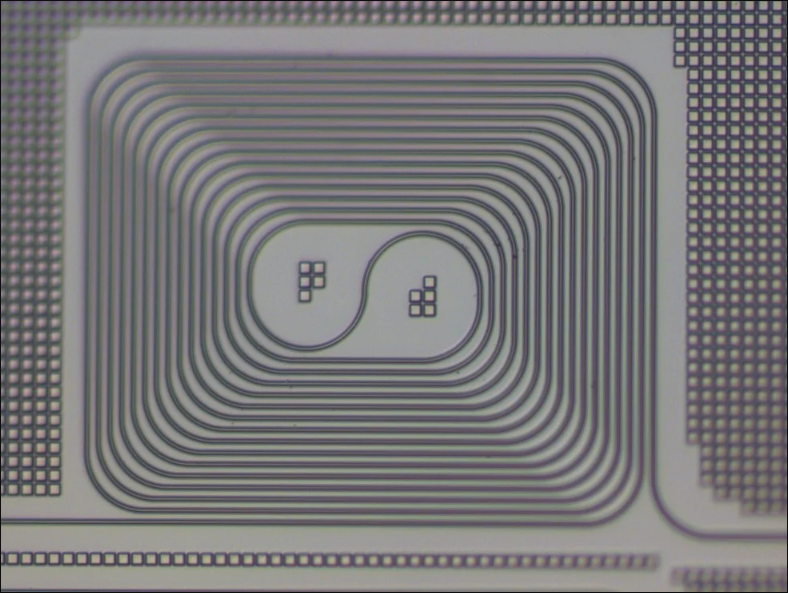
Singapore team develops deuterated silicon nitride waveguides for wafer-scale broadband light generation
A research team from the Singapore University of Technology and Design and the Institute of Microelectronics at the Agency for Science, Technology and Research (A*STAR) in Singapore has recently developed a low-loss deuterated silicon nitride waveguide capable of on-chip broadband light generation. By replacing hydrogen with its heavier isotope deuterium, the team fabricated silicon nitride waveguides at low temperatures, demonstrating potential for integration with CMOS-compatible semiconductor processes and wafer-scale mass production. The related paper, "Octave-spanning supercontinuum generation in wafer-scale low-loss deuterated silicon nitride waveguides," was published in *Optics Letters*. The study shows that this chip-scale waveguide can broaden infrared laser pulses to cover a spectral range from visible red light to deep infrared. Traditionally, silicon nitride thin films are grown from silane gas, and residual silicon-hydrogen bonds in the material absorb light in the telecommunications band, requiring high-temperature annealing that is incompatible with integrated electronic circuits.
2026-08-26
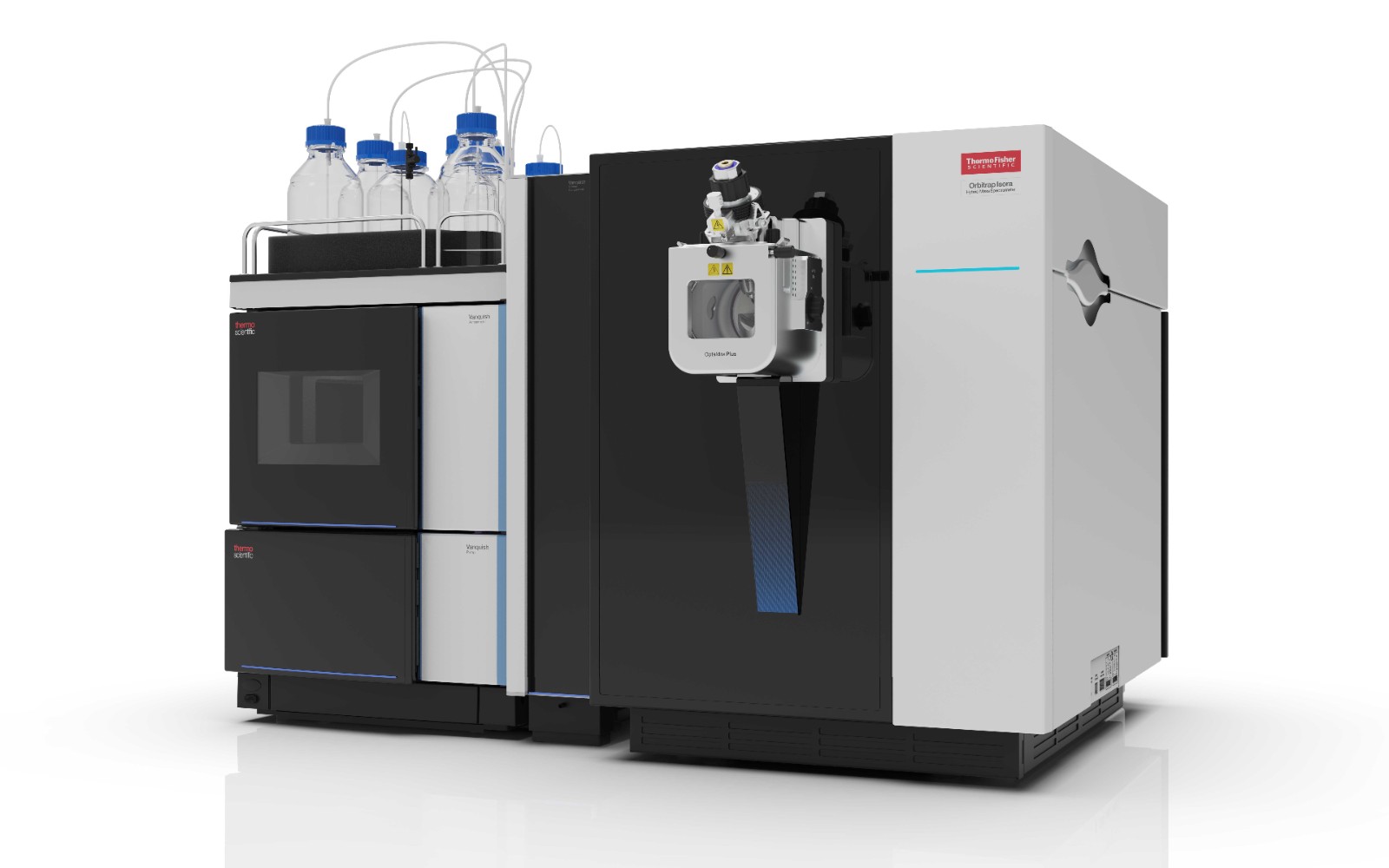
Thermo Fisher Scientific Launches First Orbitrap Mass Spectrometers for Isotope Ratio Analysis
Thermo Fisher Scientific recently launched the Thermo Scientific Orbitrap Isora mass spectrometer and Orbitrap Isora Pro mass spectrometer in Waltham, Massachusetts, USA. The company stated that these are its first Orbitrap instruments equipped with a dedicated isotope ratio analysis mode. The two mass spectrometers launched this time will form an integrated workflow together with the Thermo Scientific Vanquish Duo ultra-high performance liquid chromatography system and the new Isotope Discoverer software, providing molecular-level isotope ratio analysis capabilities to laboratories and researchers worldwide. Isotope ratio analysis can help researchers determine the source of compounds and their formation processes by measuring natural variations in isotopes within samples, helping...
2026-08-26

FSG to Provide Electrical and Control Systems Support for Oklo's Groves Isotope Test Reactor Project
American Facility Solutions Group, LLC (FSG) announced on August 25 that it will support Oklo's Groves Isotope Test Reactor project, providing electrical, instrumentation, control, testing, and verification-related work. According to reports, the Groves Isotope Test Reactor achieved first criticality on August 5, 2026, reaching a controlled, self-sustaining nuclear chain reaction. The reactor is the fifth reactor to achieve this milestone among projects authorized under the U.S. Department of Energy's Reactor Pilot Program, and the first to reach criticality on private land under the program. The low-power test reactor is designed to lay the foundation for domestic commercial isotope production...
2026-08-26

US Advanced Light Source Upgrade Advances, Soft X-ray Brightness to Increase at Least 100-Fold
Lawrence Berkeley National Laboratory in the US is advancing the Advanced Light Source (ALS) synchrotron upgrade project, planning to enhance soft X-ray experimental capabilities through next-generation light source technology, providing higher-precision data support for quantum materials, microelectronics, energy technologies, biological structure research, and AI-assisted scientific research. The project team is working toward the 2029 target. Since the Advanced Light Source began operation in 1993, it has long served research across soft X-ray, ultraviolet, infrared, and hard X-ray wavelength ranges. Researchers worldwide have used the facility's focused beams to observe molecular and material structures at the atomic scale, with results cited in over 18,000 papers...
2026-08-25

Russian team develops machine learning model to predict stability of rare earth and actinide complexes
Researchers from the Interdisciplinary Laboratory for Intelligent Chemical Design at the Department of Chemistry of Lomonosov Moscow State University, in collaboration with colleagues from the Department of Mechanics and Mathematics, have developed a new machine learning model for evaluating the stability of complexes of rare earth elements and trivalent actinides. The results have been published in the Journal of Chemical Physics. The research team stated that machine learning can reduce time and material costs in chemical research, which is particularly important for rare, expensive, or hazardous lanthanides and actinides. Lanthanides, along with scandium and yttrium, are commonly classified as rare earth elements and are widely used in permanent magnets, batteries, electronic components, lasers, and other applications. Since rare earth elements in nature...
2026-08-25
Russia's SKIF "Microfocus" experimental station to conduct elemental and structural studies of ores
The Microfocus station, the first experimental station of the Siberian Circular Photon Source (SKIF) Phase 1, will be used to study the elemental composition and structural characteristics of samples in fields such as geology, geophysics, microelectronics, and materials science. The station is being created and integrated by Tomsk Polytechnic University and will in the future serve the exploration and development of hard-to-recover gold, platinum, rare earth elements, and oil reserves. According to reports, the first experiments at the Microfocus station will focus on ore sample studies. Such research is an important step in the development of new deposits, helping researchers more accurately assess deposit reserves, select more suitable extraction methods, and identify promising areas for subsequent exploration. The station employs...
2026-08-25

Ketterle Team: "Neutrino Laser" Based on Quantum-Entangled Atomic Clouds Theoretically Infeasible
Nobel laureate Wolfgang Ketterle and his team have conducted a theoretical examination of a neutrino laser concept and concluded that the scheme is fundamentally difficult to realize. The research findings have been published in *Physical Review Letters*. The concept was previously proposed by American physicists, with the core idea being the use of rubidium-87 atomic clouds or other unstable isotopes, placing them into specific quantum states to generate highly directional neutrino beams. According to the concept, if a neutrino source analogous to a laser could be constructed, it would help accelerate neutrino mass measurements and advance observational studies of the interconversion phenomena among different types of neutrinos. The Ketterle team's key focus this time was whether a large number of atoms could cooperatively emit neutrinos and other fermions, similar to the synchronized release of photons in a conventional laser.
2026-08-25

France Authorizes CEA to Dismantle the Pégase Research Reactor Facility at Cadarache
The French Official Journal published a decree on August 23 authorizing the French Alternative Energies and Atomic Energy Commission (CEA) to carry out dismantling operations on the Pégase (Pégase) nuclear facility located at the Cadarache site in Saint-Paul-lès-Durance, Bouches-du-Rhône department. The facility is classified as Basic Nuclear Installation No. 22 (INB 22). The decree specifies the implementation phases for the partial dismantling of the Pégase research reactor and authorizes the CEA to build the equipment required for the dismantling operations. Under the decree, the boundaries of the Pégase facility will be adjusted to provide the necessary space for the layout of dismantling equipment and the temporary storage of waste generated during the dismantling process. The dismantling scope covers the Pégase facility itself, including the main building housing the storage and treatment...
2026-08-25
Reading Ranking
- 1 Scientists Reveal the Chemical Secrets of the Nanoscale Iridescent Effect in 9th-Century Islamic Ceramics
- 2 CERN Accelerator Control Systems to Migrate to Debian 13
- 3 Russia's SKIF Synchrotron Considers Building Enterprise-Funded Experimental Stations
- 4 CERN Accelerator Complex Enters Full LS3 Shutdown for Upgrades, Paving the Way for the High-Luminosity LHC Era
- 5 25 experimental stations of the PIK high-flux nuclear reactor at the Kurchatov Institute to be commissioned in December 2026
- 6 National Major Science and Technology Infrastructure Project "High-Intensity Heavy-Ion Accelerator Facility" Passes Special Financial and Asset Acceptance
- 7 Major Scientific Facility Enables Breakthrough in New Energy Materials: IHEP Leverages Beijing Synchrotron Radiation Facility to Reveal High-Efficiency Crystallization Mechanism of Perovskite, Sub-module Photoelectric Conversion Efficiency Reaches 22.9%
- 8 U.S. Company Proposes Americium-241 Radioisotope Heating Solution for Spacesuits, Receives Early NASA Research Support
- 9 Russia's SKIF Synchrotron Radiation Facility Hailed as a Milestone for Russian Science
- 10 Shanghai Institute of Applied Physics Makes Important Progress in Electrolyzer Design and Electrocatalytic Materials Research
- 11 Two Projects of the National Natural Science Foundation of China Approved for the National Institute for Radiological Protection, China CDC
- 12 EU Releases 2026–2027 Nuclear Research and Training Work Programme: Focusing on Safety, Innovation, and Capacity Building
- 13 Cathode High-Voltage Power Supply for CFQS Device ECRH System Manufactured by CNNC Tongchuang Successfully Shipped
- 14 "Smashing Out" More New Particles Unknown to Humanity — Exploring the Upgraded Beijing Electron-Positron Collider After Its Second Renovation
- 15 U.S. Electron-Ion Collider ePIC Detector Completes First Batch of Lead Tungstate Crystal Procurement and Acceptance