
Search Results
Keyword:ESS
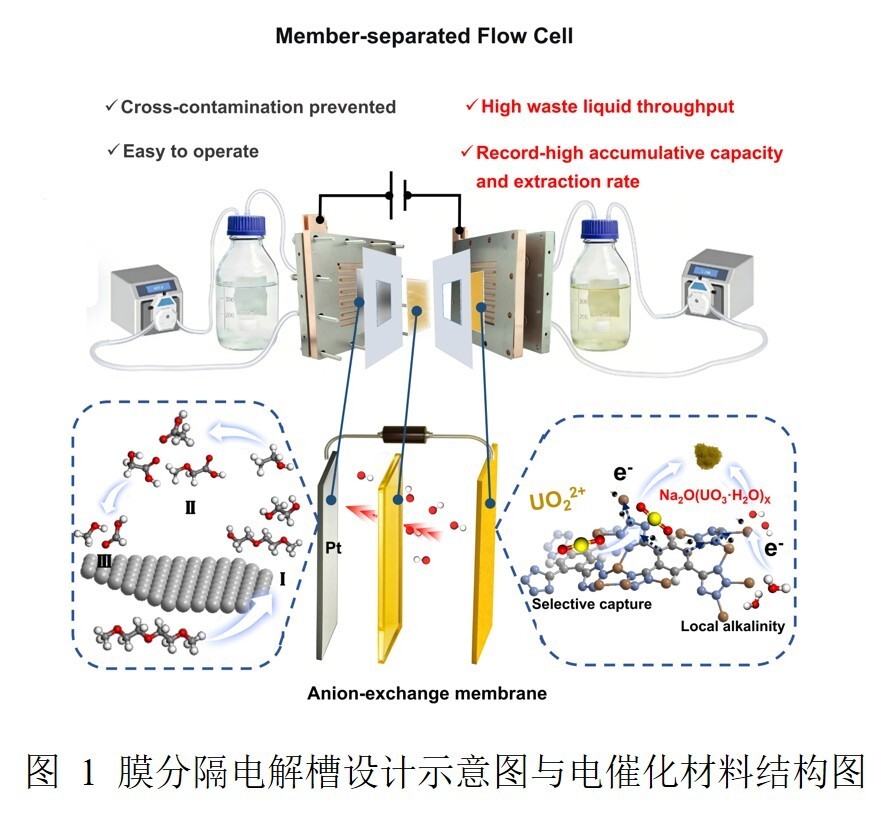
Shanghai Institute of Applied Physics Makes Important Progress in Electrolyzer Design and Electrocatalytic Materials Research
Recently, the National Key Laboratory of Thorium-based Nuclear Fission Energy at the Shanghai Institute of Applied Physics, Chinese Academy of Sciences, has made important progress in the fields of membrane-divided electrolyzer design and electrocatalytic materials. Researchers combined electrolyzer reactor design with electrocatalytic material innovation to develop an anion exchange membrane-divided H-type electrolysis system based on nonporous metal-organic framework (MOFs) materials, achieving efficient electrochemical recovery of uranium resources and complete degradation of organic ether solvents in uranium-containing organic ether wastewater. The related results, titled "Nonporous Metal-Organic Framework Enables Record-High Uranium Extraction and Complete Diglyme Degra...
2026-09-30

Argonne National Laboratory Achieves Latest Research Progress in Advanced Reactor Passive Safety, Revealing Flow Characteristics of Reactor Cavity Cooling System Using NSTF Facility
A research team at Argonne National Laboratory, under the U.S. Department of Energy (DOE), has achieved the latest research progress on passive shutdown decay heat removal mechanisms for next-generation advanced nuclear reactors. Under unplanned reactor shutdown or sudden emergency accident conditions, nuclear fuel continues to release decay heat. Ensuring continuous and reliable heat removal under complete power loss and without manual intervention is a core issue in the inherent safety design of Generation IV advanced reactors. The Argonne research team recently focused on the transient thermal-hydraulic response characteristics of key passive heat removal systems under realistic dynamic decay heat curves. This...
2026-09-30

Brookfield Renewable Discloses Strategy for Nuclear Energy Business Segment
At the Brookfield Affiliates Investor Day 2026 held on September 29, Brookfield Renewable Partners (BEP) highlighted the strategic progress and industrial layout of its nuclear energy business segment. Brookfield management noted that as AI data centers, manufacturing reshoring, and deep electrification across society drive a sharp increase in global electricity demand, power supply has become a key bottleneck constraining economic growth. Nuclear energy, with its high reliability, round-the-clock baseload attributes, and value for national energy security, is entering an unprecedented super expansion cycle not seen in decades. The...
2026-09-30
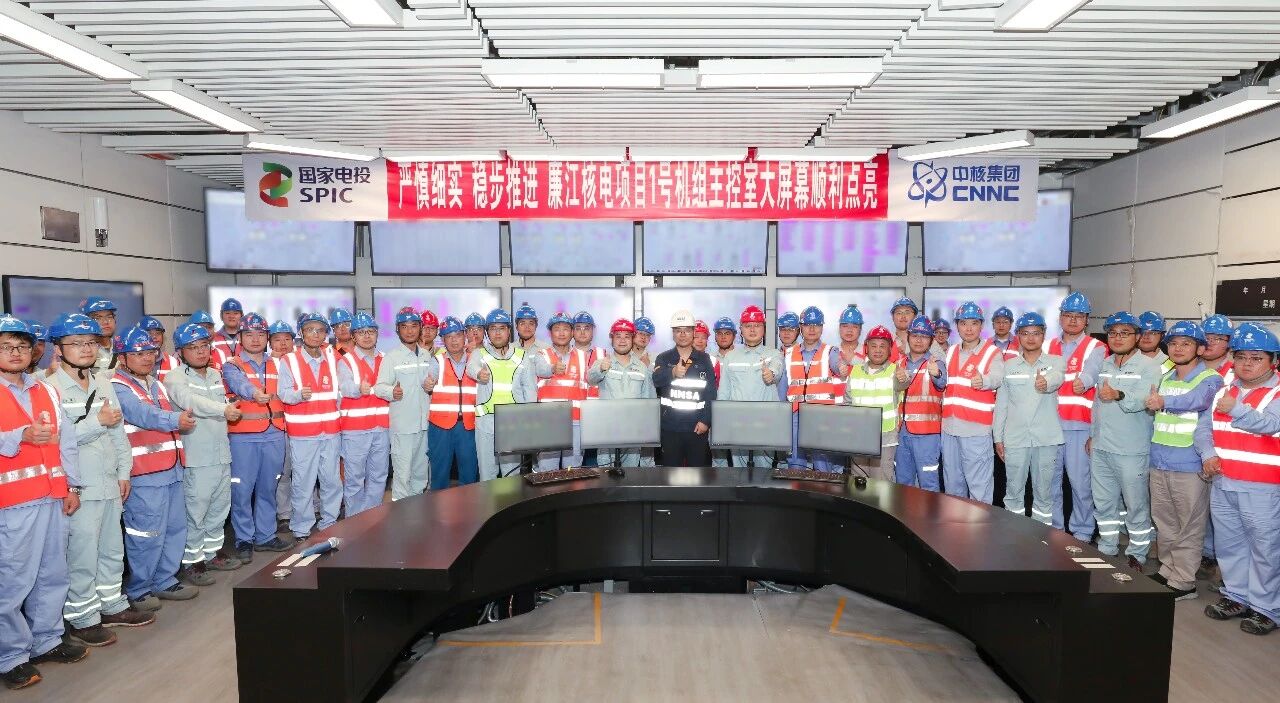
The main control room large screen of Unit 1 of SPIC Lianjiang Nuclear Power Project was successfully lit up
On September 28, the main control room large screen of Unit 1 of SPIC Lianjiang Nuclear Power Project was successfully lit up, marking that the unit construction has entered a new stage and laying a solid foundation for the subsequent cold test, hot test, and high-quality commissioning. The main control room is the control center of a nuclear power plant, mainly including important equipment such as the unit operation operator workstations and related control panels. It is the "brain" of the nuclear power plant and undertakes the core functions of unit operation monitoring, organization, and command.
2026-09-29

ENN's "Xuanlong-50U" Device Successfully Achieves Hydrogen-Boron Fusion Reaction
In late September 2026, ENN achieved a major breakthrough in the commercialization of hydrogen-boron fusion: the Xuanlong-50U device achieved a hydrogen-boron fusion reaction. This is the first time a global commercial fusion company has achieved a hydrogen-boron fusion reaction on its own device, and also the first time China's magnetic confinement fusion device has achieved a clean neutron-free fusion reaction with advanced fuels (hydrogen-boron, deuterium-helium-3). Hydrogen-boron fusion has commercialization advantages such as being neutron-free, having abundant and easily accessible fuel, and low cost. Its product is helium (α particles), but compared with deuterium-tritium fusion, it requires higher reaction temperature and triple product, and more demanding reaction conditions. In this experiment, the ENN fusion team, through the synergy of high-energy neutral beam injection and radio-frequency waves, greatly increased the non-thermal equilibrium fast proton fraction at the first resonance peak of the hydrogen-boron reaction...
2026-09-28

Dongfang Electric Signs Low-Pressure Diaphragm Supply Agreement with Électricité de France, Supporting the Upgrade and Retrofit of European Pressurized Water Reactor Nuclear Power Units
Recently, Dongfang Electric International Corporation (hereinafter referred to as "Dongfang International"), a subsidiary of China Dongfang Electric Group Co., Ltd., and Arabelle, a subsidiary of Électricité de France (EDF), officially signed a nuclear power steam turbine low-pressure diaphragm supply agreement. According to the agreement, Dongfang Electric will serve as a key equipment supplier, providing core steam turbine low-pressure diaphragm components for the life extension and modernization technical retrofit projects of pressurized water reactor (PWR) nuclear power units under Électricité de France. For more than three decades, Dongfang Electric Group and Électricité de France have consistently maintained close strategic collaboration in the field of civil nuclear energy, from...
2026-09-28
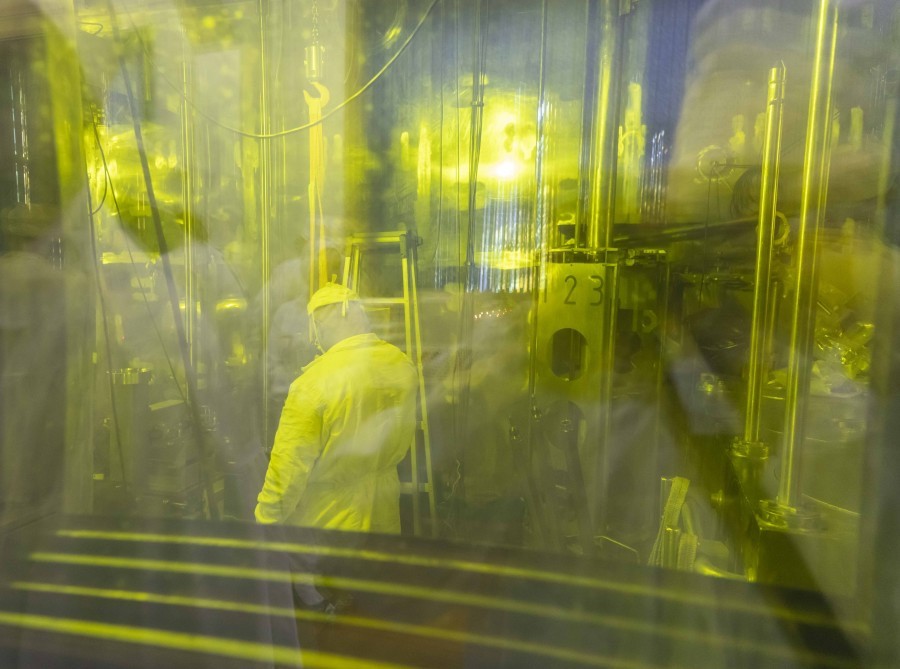
Rosatom has developed the first batch of nuclear fuel assemblies for the MBIR multi-purpose fast reactor, successfully passing factory acceptance testing
At the site of the Fuel Technology Division of the State Scientific Center — Research Institute of Atomic Reactors (NIIAR, Dimitrovgrad), under the Scientific Division of Rosatom, the first batch of 3 pilot nuclear fuel assemblies (Fuel assemblies / ТВС) for the multi-purpose sodium-cooled fast neutron research reactor (MBIR) successfully completed comprehensive factory acceptance tests. The professional acceptance committee conducted a thorough review of the maturity and completeness of the fuel production process line for this batch as well as all technical performance parameters of the trial-manufactured assemblies, and completed high-precision geometric dimension and quality re-verification measurements item by item. This acceptance review brought together the expertise of multiple core research and manufacturing institutions in the Russian nuclear industry, including the Dollezhal Research and Development Institute of Power Engineering (NIKIET), the Institute of Physics and Power Engineering (IPPE), and the Machine-Building Plant Joint Stock Company (MSZ, Elemash).
2026-09-27

Vylor and Belgium-based Rainbow Crops Enter Strategic Partnership to Combine AI and Multiplex Gene Editing for Maize Complex Stress Tolerance Traits
Agricultural technology innovation company Vylor and Belgian agricultural biotechnology startup Rainbow Crops announced the establishment of a deep R&D collaboration. The two parties will deeply integrate Artificial intelligence (AI) algorithm-assisted design with high-throughput Multiplex gene editing technology, leveraging Rainbow Crops' proprietary Trait Foundry trait discovery and validation platform, focusing on abiotic environmental stresses such as heat damage, extreme drought, and waterlogging, to screen and validate highly climate-adaptive maize hybrid germplasm materials. The core process pipeline of this cross-border collaboration will combine AI-assisted trait prediction, multiplex multi-locus...
2026-09-24
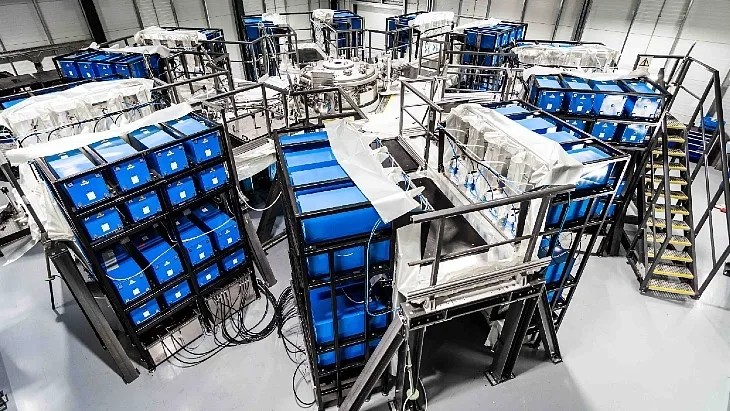
First Light Fusion's Low-Cost Fusion Compression Technology Achieves Experimental Validation, Driving Source Cost Expected to Drop by an Order of Magnitude
UK commercial fusion innovator First Light Fusion has announced that its independently developed pulse power facility M3 (M3 pulse power facility) has successfully completed a series of proof-of-principle experiments, formally validating the core fuel compression physics mechanism of its proprietary fusion pathway FLARE (Fusion via Low-power Assembly and Rapid Excitation). The experiments confirmed that, relying on a precisely designed Multi-layered liner, fusion fuel can be effectively compressed to a high-density state using a driver with a more streamlined configuration and lower peak power. The core design logic of the FLARE technology pathway...
2026-09-24

New Generation "Harmony System" and Other Technological Achievements Debut at the 23rd China-ASEAN Expo
At the five-day 23rd China-ASEAN Expo and China-ASEAN Business and Investment Summit, CGN showcased its innovative achievements in nuclear power, new energy, and digitalization under the theme "Smart Nuclear Powers Free Trade, Green Electricity Connects ASEAN." At the exhibition, CGN Digital Technology highlighted its independently developed Harmony System series products and their applications in the new energy sector, and used virtual reality technology to give visitors the opportunity to tour nuclear power plants. The Harmony System is hailed as the "nerve center" and "brain" of nuclear power plants. It is China's independently developed nuclear safety-class digital instrumentation and control system, and has now been widely applied to 34 nuclear power units nationwide, covering second- to fourth-generation nuclear power reactor types and technologies. Through the comprehensive iterative upgrading of the Harmony System, CGN Digital Technology has equipped it with a smarter, safer, and more economical "super intelligent brain," aiming to provide digital and intelligent empowerment for the full-cycle production and operation of nuclear power plants.
2026-09-22

The pressurizer of Unit 3 of the Zhangzhou Nuclear Power Plant has been hoisted into place.
At 19:03 on September 20, the pressurizer of Unit 3 of the Zhangzhou Nuclear Power Plant was hoisted into place. During this pressurizer hoisting operation, the pressurizer was horizontally lifted to the +16.5m platform by a gantry crane, transported and towed by a heavy-duty vehicle into the reactor building, then turned and erected by the polar crane, and finally hoisted into place. The pressurizer is one of the core main equipment items of the nuclear island reactor coolant system, and its main function is to undertake primary loop pressure control and overpressure protection, among other duties. When the temperature and pressure inside the reactor fluctuate, the pressurizer can maintain the temperature and pressure inside the reactor within a safe range by adjusting the flow rate and temperature of the coolant water, thereby ensuring the safe and stable operation of the reactor. At the same time, the pressurizer is crucial for ensuring the power generation efficiency of the unit and maintaining stable operation, and is key equipment for the safe operation of nuclear power units.
2026-09-21

New Progress in Research on Microstructural Stability of High-Silicon Austenitic Steels for Lead-Cooled Fast Reactors
The lead-cooled fast reactor is an important reactor type in the fourth-generation nuclear energy system, and its structural materials need to withstand harsh service environments such as high temperature, irradiation, and liquid lead-bismuth corrosion over the long term. High-silicon austenitic stainless steel possesses excellent lead-bismuth corrosion resistance and is an important candidate structural material for core equipment such as the reactor vessel and internals of lead-cooled fast reactors. However, Si addition significantly alters the phase precipitation mechanism during high-temperature service and induces austenite decomposition, affecting the long-term microstructural stability of the material. Recently, the Special Alloys Research Department of the Institute of Metal Research, Chinese Academy of Sciences, in collaboration with the Department of Mechanical Engineering of The Hong Kong Polytechnic University, building on prior work that revealed Si-induced austenite decomposition behavior in high-silicon austenitic steels and the resulting mechanical...
2026-09-21

Pressurizer of Zhangzhou Nuclear Power Unit 3 Hoisted into Place
At 19:03 on September 20, the pressurizer of Zhangzhou Nuclear Power Unit 3 was hoisted into place. During this pressurizer hoisting operation, the pressurizer was horizontally lifted to the +16.5m platform by a gantry crane, transported by a heavy-duty vehicle into the reactor building, then turned and erected by the polar crane, and finally hoisted into place. The pressurizer is one of the core main equipment items of the nuclear island reactor coolant system, and its main functions include primary loop pressure control and overpressure protection. When the temperature and pressure inside the reactor fluctuate, the pressurizer can maintain the temperature and pressure within the reactor in a safe range by adjusting the flow rate and temperature of the coolant water, ensuring the safe and stable operation of the reactor. At the same time, the pressurizer is...
2026-09-21

National Nuclear Safety Administration Issues the Guidelines for Ecological Environment Impact Assessment of Magnetic Confinement Fusion Devices
To implement the regulatory requirements for fusion devices under the Ecological Environment Code of the People's Republic of China and the Atomic Energy Law of the People's Republic of China, and to improve China's regulatory framework for radiation safety supervision of fusion devices, the Ministry of Ecology and Environment's National Nuclear Safety Administration recently officially issued the Guidelines for Ecological Environment Impact Assessment of Magnetic Confinement Fusion Devices (hereinafter referred to as the Guidelines). The Guidelines were compiled by the Nuclear and Radiation Safety Center of the Ministry of Ecology and Environment, drawing on relevant domestic and international regulations and standards, and incorporating the construction and operation characteristics and environmental impact features of China's fusion devices. They aim to standardize and guide the ecological environment impact assessment of fusion devices throughout their entire life cycle...
2026-09-20
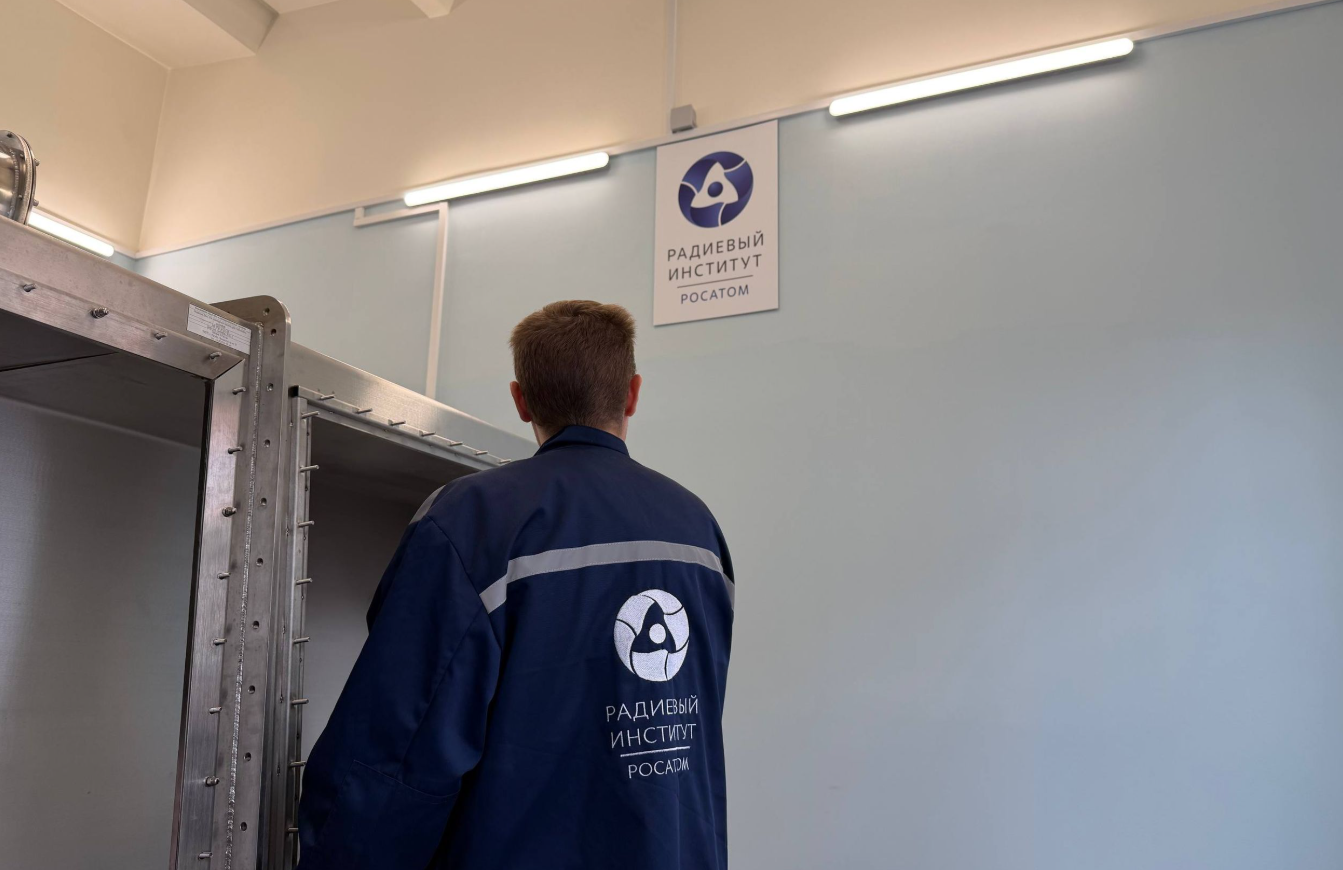
Rosatom Establishes New Laboratory to Test Molten Salt Reactor Spent Fuel Reprocessing Technology
The first production site of the Khlopin Radium Institute, part of Rosatom's research division, is completing the construction of a new laboratory that will be dedicated to testing the processing and reprocessing technology for spent nuclear fuel (SNF) from molten salt reactors (JSR/MSR). In the first phase of facility testing, it is planned to synthesize simulated fuel compositions based on lithium fluoride and beryllium fluoride, with added simulants of fission products and plutonium; subsequently, the technology will be validated on models, and ultimately practical application will be carried out on the basis of the research molten salt reactor (IZHSR) being built in Zheleznogorsk. The related construction, installation, and commissioning work is planned for completion by the end of 2026, and to prepare for...
2026-09-18