
Search Results
Keyword:Safe

Europe and Central Asia Strengthen Regional Cooperation on Radioactive Waste Management
The International Atomic Energy Agency (IAEA) recently stated that over the past two years it has trained more than 200 experts in Europe and Central Asia, supporting relevant countries in enhancing their safe radioactive waste management capabilities and developing long-term management strategies tailored to their national circumstances. IAEA representatives visited storage and disposal facilities in Lithuania to observe successful radioactive waste management practices firsthand. (F. Dragolici/IAEA) Radioactive waste originates from the application of nuclear technology in energy, medicine, industry, research, and other fields. Under safety management requirements, countries are responsible for the full lifecycle of radioactive waste, covering generation, characterization, treatment, conditioning, storage, and final disposal in licensed disposal facilities.
2026-09-09

Ukraine's Zaporizhzhia Nuclear Power Plant says restoring second external power line is critical to nuclear safety
On September 7, the Zaporizhzhia Nuclear Power Plant stated that restoring and commissioning the second external power transmission line—the 750 kV Dniprovska line—is critical to improving the reliability of the plant's power supply and enhancing nuclear and radiation safety levels. The plant also proposed that a systematic supply of fuel for backup diesel generators needs to be ensured. The Zaporizhzhia Nuclear Power Plant stated that after the 330 kV Ferrospravnaya-1 transmission line restored external power supply, the radiation conditions at the plant and surrounding areas remained stable, within the range of natural background levels. The plant also stated that following the restoration of external power supply, the backup diesel generators have been switched to standby mode. In its statement, the plant said that the Ferrospravnaya-1...
2026-09-09

Romania's Cernavoda Nuclear Power Plant to Remain Offline Until at Least September 18 Due to Low Danube River Levels
On September 8, Romania's Cernavoda Nuclear Power Plant was expected to remain offline until at least September 18 due to low water levels in the Danube River. Emil Macovei, Technical Director of Nuclearelectrica, the operator of the Cernavoda plant, stated that over the next 10 days, the Danube's water volume would still be insufficient to support the restart of either of the plant's two units. Romania's Antena 3 television channel quoted him as saying that current hydrological conditions do not yet meet the requirements for unit operation. Cristian Busoi, Secretary of State at Romania's Ministry of Energy, said that predictions regarding the plant's restart timeline were "rather optimistic," and the ministry is currently unable to provide a definitive date for resuming operations. He confirmed that...
2026-09-09

South Korea Notifies IAEA of Intention to Consult on Safeguards Arrangements for Nuclear-Powered Submarine
International Atomic Energy Agency (IAEA) Director General Rafael Grossi said Monday at the agency's Board of Governors meeting in Vienna that South Korea has formally notified the IAEA of its intention to consult with the agency on safeguards arrangements for its envisioned nuclear-powered submarine program. Grossi stated that South Korea has notified the IAEA Secretariat of its intent to discuss relevant arrangements pursuant to Article 14 of its Comprehensive Safeguards Agreement (CSA). This provision allows a country to use nuclear material for non-prohibited military purposes, such as naval nuclear propulsion, under arrangements concluded with the IAEA. It was noted that South Korea also reaffirmed its continued commitment to fulfilling its obligations under the Treaty on the Non-Proliferation of Nuclear Weapons (NPT), the Comprehensive Safeguards Agre...
2026-09-08
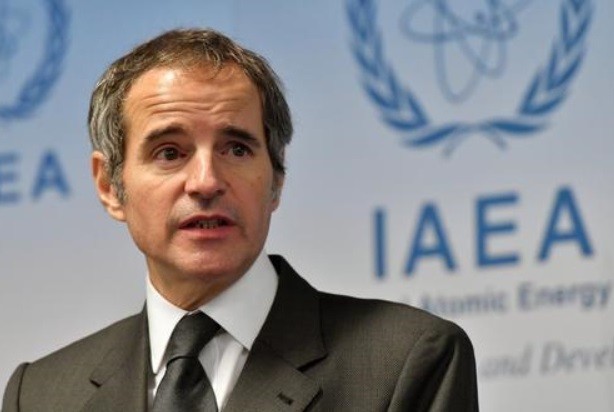
Destroyed Syrian Nuclear Reactor May Have Had Capability to Produce Nuclear Weapons Material
International Atomic Energy Agency (IAEA) Director General Rafael Grossi said on September 7 that a Syrian nuclear reactor, which was destroyed in an Israeli airstrike in 2007 while it was nearly complete, was of a type capable of relatively quickly producing fissile material that could be used in nuclear weapons. The IAEA recently concluded its investigation into Syria's past covert nuclear activities. The investigation found approximately 73 tons of natural uranium metal, primarily in the form of reactor fuel. In a report submitted to member states, the agency confirmed that its previous assessment remained unchanged: the destroyed facility in Deir ez-Zor Province in eastern Syria was a nuclear reactor under construction, and the associated fuel had also been manufactured within Syria.
2026-09-08
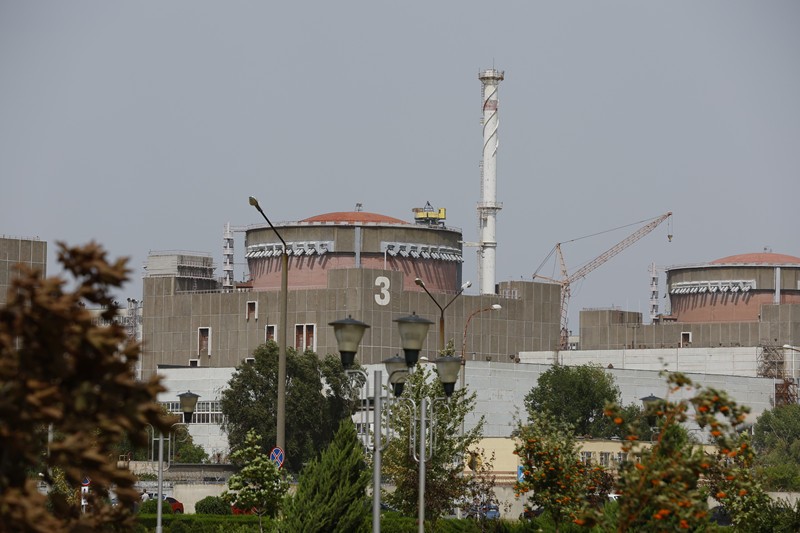
Zaporizhzhia Nuclear Power Plant Restores External Power Supply
The Zaporizhzhia Nuclear Power Plant (ZNPP) has resumed receiving external electricity via the 330 kV Ferrospravnaya-1 transmission line. Previously, since August 20, the plant had relied on backup diesel generators to maintain essential on-site power for a duration of 19 days. Alexey Likhachev, Director General of Rosatom, stated that the plant has switched from diesel generator power to external power supply and is currently operating normally. The Zaporizhzhia NPP reported that following the restoration of the Ferrospravnaya-1 line, the backup diesel generators have been placed on standby. Rafael...
2026-09-08
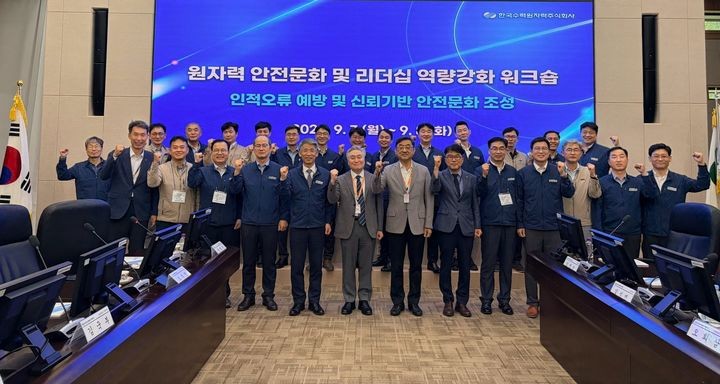
KHNP Hosts Nuclear Safety Culture and Leadership Workshop
Korea Hydro & Nuclear Power (KHNP) announced on September 8 that it held the "2026 Nuclear Safety Culture and Leadership Enhancement Workshop" at its headquarters from September 7 to 8, with discussions focused on building a safety culture oriented toward nuclear power plant sites and strengthening management-level safety leadership. Approximately 40 people attended the workshop, including Cho Seok-jin, Vice President of Safety Technology at KHNP, as well as relevant officials from the headquarters and each nuclear power plant. Participants shared best practices and improvement items in safety culture development at each plant and discussed how to more effectively implement safety requirements in frontline operations and management processes. The workshop also covered major accident prevention...
2026-09-08
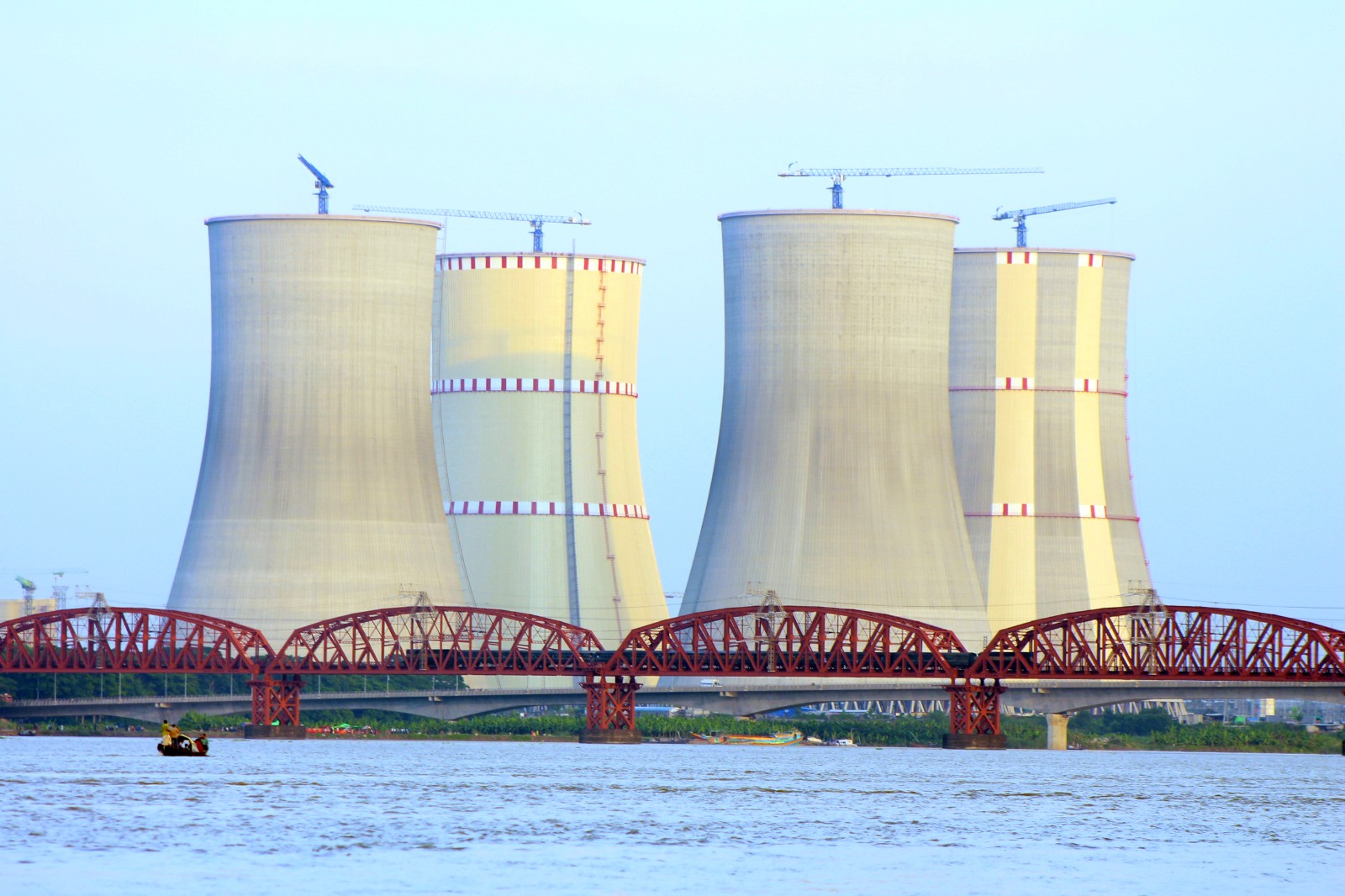
Grid Connection of Unit 1 at Bangladesh's Rooppur Nuclear Power Plant Delayed Again
The grid connection of Unit 1 at Bangladesh's Rooppur Nuclear Power Plant has been delayed once again. Fakir Mahbub Anam, Bangladesh's Minister of Science and Technology, stated that two critical safety valves of the unit exposed technical faults during testing, and the next phase of testing cannot be initiated for the time being. A specific timeline for troubleshooting and grid connection of the unit has yet to be determined. Located in the Pabna region of Bangladesh, the Rooppur Nuclear Power Plant is being constructed with financing and technical support from Russia, with plans for two VVER-1200 units totaling approximately 2,400 megawatts of installed capacity. On April 28 this year, the unit commenced fuel loading preparation and testing work, when the project...
2026-09-07
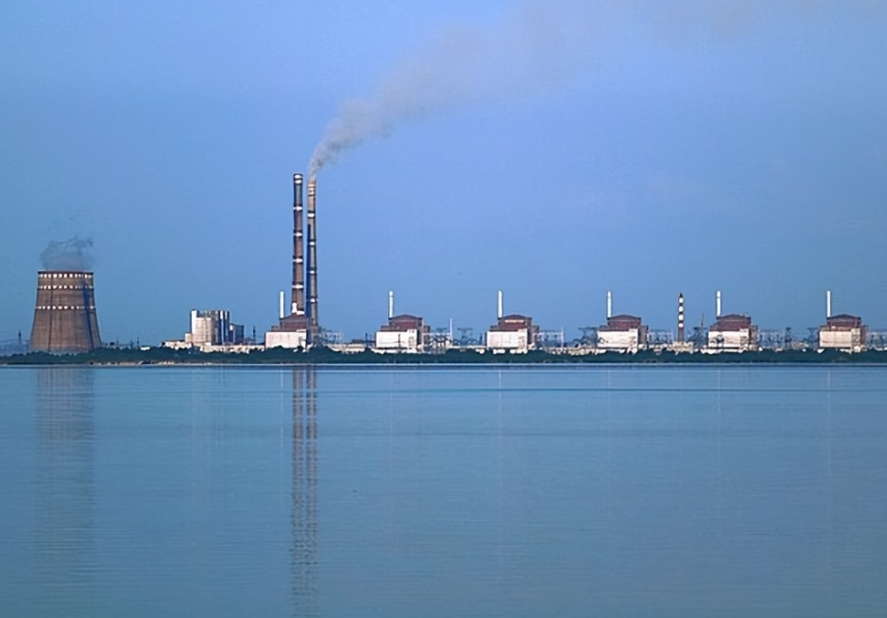
Ukraine's Zaporizhzhia Nuclear Power Plant Initiates Repair of External Power Transmission Lines
The Zaporizhzhia Nuclear Power Plant announced on September 5 that it has initiated repair and restoration work on its external power supply lines to ensure their normal operation. The plant stated that the repair and restoration efforts have commenced and are expected to be completed smoothly, with the Ferrosplavnaya-1 transmission line anticipated to resume operation as soon as possible. Currently, plant staff are monitoring all safety parameters around the clock. The plant stated that the situation on site is under control. ...
2026-09-07

Tottori Prefecture nuclear safety advisory council approves safety of MOX fuel plan for Shimane Unit 2
The Tottori Prefecture Nuclear Safety Advisory Council held a meeting in Yonago City on September 6 and submitted an opinion on the MOX fuel power generation project planned by Chugoku Electric Power Co. for Unit 2 of the Shimane Nuclear Power Station. The opinion stated that, based on explanations provided by Chugoku Electric Power Co. and the Japanese government, the safety of the project can be ensured. The Shimane Nuclear Power Station is located in Matsue City, Shimane Prefecture. Chugoku Electric Power Co. plans to use mixed oxide fuel, or MOX fuel, consisting of uranium and plutonium, in Unit 2. This type of power generation is also referred to as plutonium thermal power generation in Japan. The opinion also...
2026-09-07
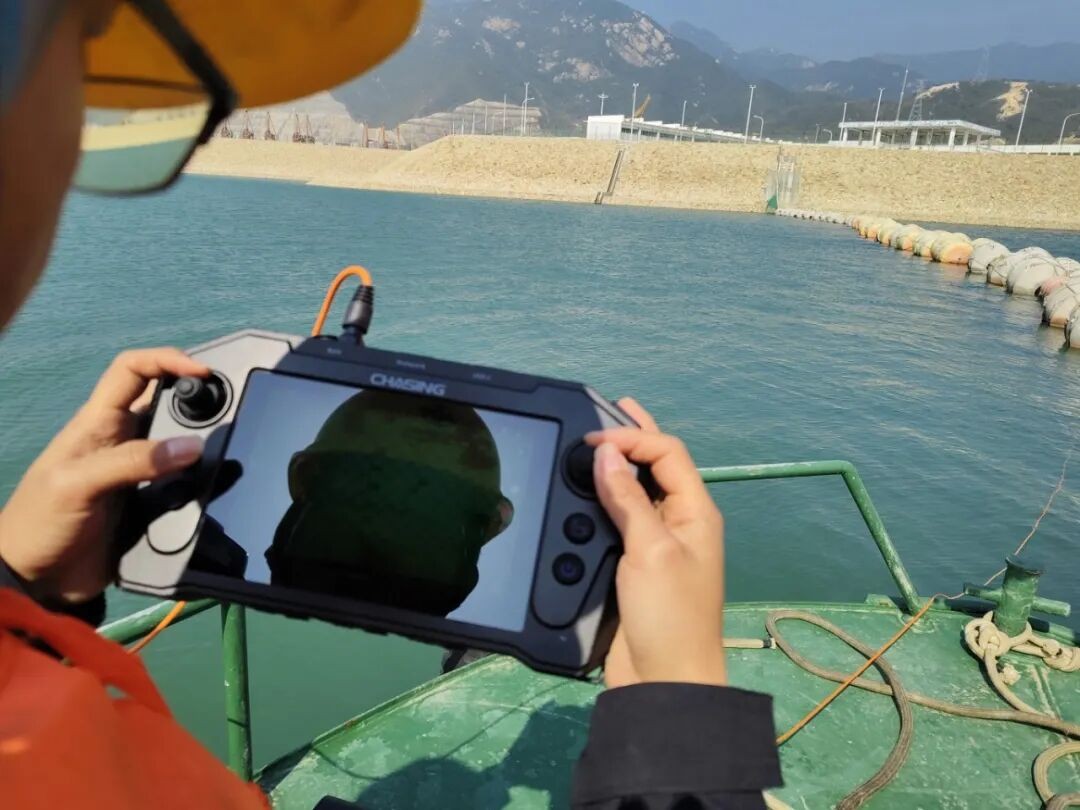
Taishan Nuclear Power Plant Deploys Specialized Underwater Robot for Cold Source Intake to Enhance Water Intake Operation and Maintenance Safety
Recently, at the seawater reservoir of Taishan Nuclear Power Plant, the cold source operation and maintenance team remotely operated a specialized underwater robot to complete an underwater inspection. After entering the water, the robot descended steadily, maintained stable posture at a depth of approximately 10 meters, transmitted clear real-time images, and maintained normal communication links throughout the process, successfully completing the preventive underwater inspection of the seawater reservoir interception net. Underwater inspection of the interception net conducted via the underwater robot. Since its first underwater operation on March 12 this year, the robot has replaced manual labor in dozens of underwater interception net inspections, becoming an important initiative for Taishan Nuclear Power Plant to enhance the intrinsic safety level of cold source water intake operation and maintenance and to advance intelligent operation and maintenance. The cold source interception net is a critical facility ensuring the safety of unit cold source water intake, and its condition and structural gaps directly affect the reliability of cold source water intake. During high-risk periods for the cold source, operation and maintenance personnel are required to conduct underwater inspections of the interception net weekly to confirm facility integrity and operational status.
2026-09-07

Release of the Main Piping Welding Control Point for Unit 2 of Xudabao Nuclear Power Plant
Recently, the Northeast Regional Office of Nuclear and Radiation Safety Supervision under the Ministry of Ecology and Environment (hereinafter referred to as the Northeast Office) organized an inspection team to conduct an inspection at the main piping welding control point for Unit 2 of Xudabao Nuclear Power Plant. Experts from the East China Regional Office of Nuclear and Radiation Safety Supervision, the South China Regional Office of Nuclear and Radiation Safety Supervision, the Nuclear and Radiation Safety Center, the China Machinery Productivity Promotion Center, the Shanghai Nuclear Safety Review Center, the Suzhou Nuclear Safety Center, and other organizations participated in the inspection. As a critical component of the reactor coolant pressure boundary, the welding quality of the main piping is directly related to the construction quality and operational safety of the nuclear power unit. In strict accordance with relevant procedural requirements, the inspection team conducted a comprehensive inspection covering the implementation of the operating organization's quality assurance program, quality control of important items and activities, and preparation for main piping welding through on-site inspections, document reviews, and personnel interviews...
2026-09-05

China and Uzbekistan Deepen Cooperation in Nuclear Safety Regulatory Training
Since the National Nuclear Safety Administration and the Industrial, Radiation and Nuclear Safety Committee of Uzbekistan signed a Memorandum of Understanding (MoU) on nuclear safety cooperation at the beginning of the year, the two sides have continued to deepen their cooperation in the field of nuclear and radiation safety regulation. As an important measure to implement the MoU, the Nuclear and Radiation Safety Center of the Ministry of Ecology and Environment has successively organized two special training sessions for Uzbek nuclear safety regulators and convened China-Uzbekistan technical exchange activities on nuclear safety regulation. In June, the first training session focused on China's regulatory oversight of civil nuclear safety equipment. Experts from the Nuclear and Radiation Safety Center and the Northeast Regional Office of Nuclear and Radiation Safety Supervision delivered a four-week special training program for Uzbek trainees based on regulatory practices, covering China's...
2026-09-05

First Application and Verification of Intelligent Monitoring and Adjustment System for Nuclear Power Plant Personnel Status at "Hualong One" Nuclear Power Plant
On September 4, CGN Engineering, in collaboration with Cangnan Nuclear Power, successfully completed the testing, verification, and on-site data collection of the Intelligent Monitoring and Adjustment System for Nuclear Power Plant Personnel Status at the San'ao Nuclear Power Base. The CGN Engineering departments participating in this testing and verification included CGN Design Institute, the National Key Laboratory of Nuclear Power Safety Technology and Equipment (hereinafter referred to as the National Key Laboratory), CGN Engineering Cangnan Project Department, and Huasheng Technology. This joint test marks an important milestone in the project's transition from technology research and development to engineering application, providing key technical support for the quantitative analysis transformation of human factors safety management in China's nuclear power industry. The system, built upon the personnel fatigue status monitoring principle prototype developed under the Intelligent Nuclear Power strategic special project, has been iteratively improved with continuous support from the Yangjiang Chuangbao High-tech Research Project and the National Key Laboratory research projects, and has now evolved into a mature product suitable for engineering and large-scale application. Previously, relevant functional modules of the system had been deployed and data collected in applications such as human factors verification in the main control room of Yangjiang Nuclear Power Base and simulator training at Taishan Nuclear Power Base. The on-site testing and data collection at the San'ao Nuclear Power Base further verified the system's environmental adaptability and reliability across multiple nuclear power base scenarios, laying a solid foundation for subsequent industry-wide promotion and application.
2026-09-05

Gyeongsangbuk-do lawmakers demand stronger nuclear power plant accident notification and oversight
On September 3, Gyeongsangbuk-do lawmaker Kim Jae-jun spoke at the 365th provisional session of the Gyeongsangbuk-do Council, criticizing the delayed notification and inadequate response to the recent boric acid solution leak at Unit 6 of the Hanul Nuclear Power Plant, and calling for stronger resident safety protection mechanisms in areas with concentrated nuclear power plants. Kim stated that on August 3, a boric acid solution containing radioactive materials leaked from Unit 6 of the Hanul Nuclear Power Plant during spent fuel transfer, but local residents were not informed of the incident until approximately three weeks after it occurred. He argued that Korea Hydro & Nuclear Power (KHNP) failed to disclose information about the incident promptly and transparently, undermining residents' trust in nuclear safety management...
2026-09-04