
Search Results
Keyword:UE
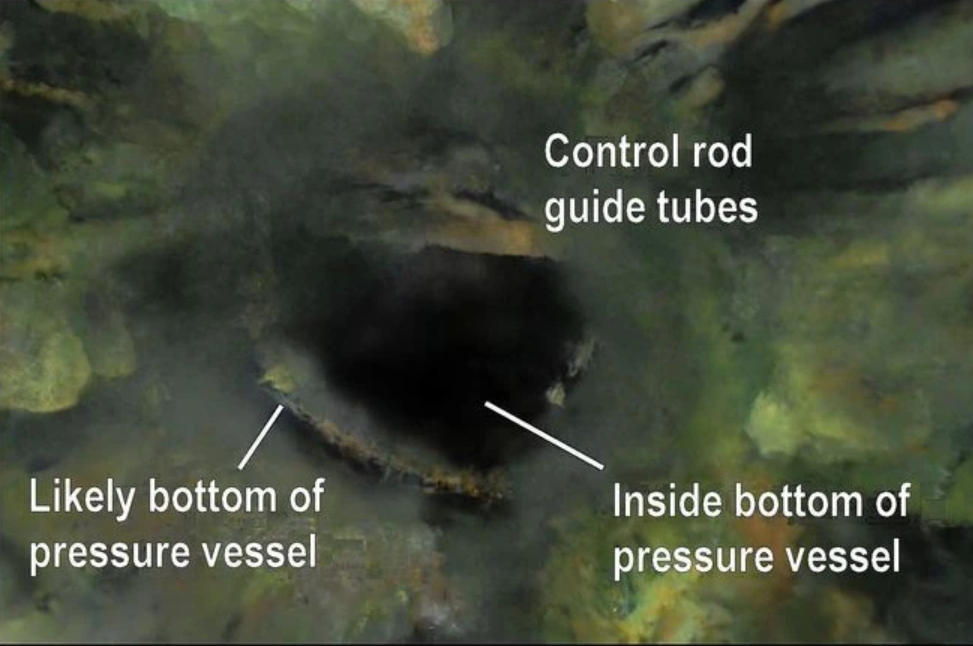
3-meter-wide hole found at bottom of Unit 3 reactor pressure vessel at Fukushima Daiichi Nuclear Power Station: molten nuclear fuel burned through the base plate, TEPCO advances evaluation of debris removal project
The latest investigation data released by Tokyo Electric Power Company (TEPCO) shows that an irregular circular hole with a maximum diameter of 3 meters exists at the bottom of the reactor pressure vessel (RPV) of Unit 3 at the Fukushima Daiichi Nuclear Power Station (Fukushima No. 1 NPP). This is the first time since the March 11, 2011 Great East Japan Earthquake triggered a tsunami and caused core meltdown that TEPCO has determined the specific shape and dimensions of the damaged bottom of the pressure vessel among the three reactors that experienced meltdown. The conclusion is based on image data obtained by a technical team in March this year using palm-sized micro-drones to conduct 21 flight surveys inside the containment vessel of Unit 3. Based on the multi-angle...
2026-10-11

U.S. NRC Expedites Review of License Amendment for Palisades Nuclear Plant Fuel Loading Tilt Incident: Advancing Vanguard SMR Construction Permit Review in Parallel
The U.S. Nuclear Regulatory Commission (NRC) is reviewing an emergency operating license amendment request (LAR) submitted by Holtec International. The request was triggered by a nuclear fuel loading tilt incident at the Palisades Nuclear Power Plant (Palisades NPP) in Covert, Michigan, during its restart process, which has resulted in the temporary suspension of some on-site restart recovery operations. According to the application documents publicly available in the NRC's public records system, fuel assembly number DD41 tilted after being released by the fuel handling machine. The lower nozzle of the assembly remains in the core grid position H-1, but the upper portion forms an approximately 30-degree tilt angle with the core plate...
2026-10-09
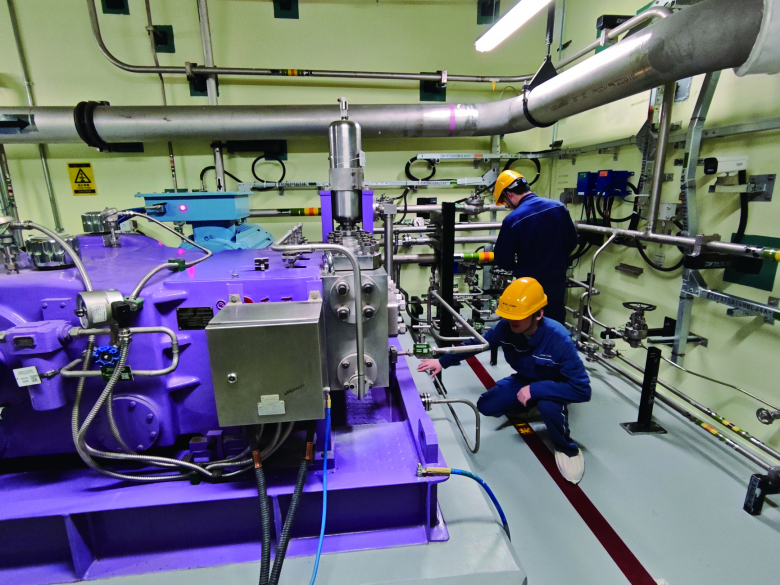
Preparations Underway for First Nuclear Fuel Loading at San'ao Nuclear Power Project Unit 2
On October 7, it was learned from CGN Cangnan Nuclear Power Co., Ltd. that San'ao Nuclear Power Project Unit 2 is carrying out preparatory work before its first nuclear fuel loading. Once fuel loading is completed, the unit will enter the stage of nuclear commissioning of the primary system with nuclear fuel. During the National Day holiday, personnel at key positions of the San'ao Nuclear Power Project stayed at the front line to fully advance the pre-loading preparations. A relevant person in charge of the Fuel Management Section of the Technical Support Department of CGN Cangnan Nuclear Power Co., Ltd. stated that in order to ensure the high-quality completion of Unit 2's first fuel loading and core photography operations, the project working group strictly implemented relevant regulations and management requirements for nuclear material control, and coordinated the advancement of various pre-loading tasks including the submission of first loading information and the approval request for fuel assembly transfer.
2026-10-08
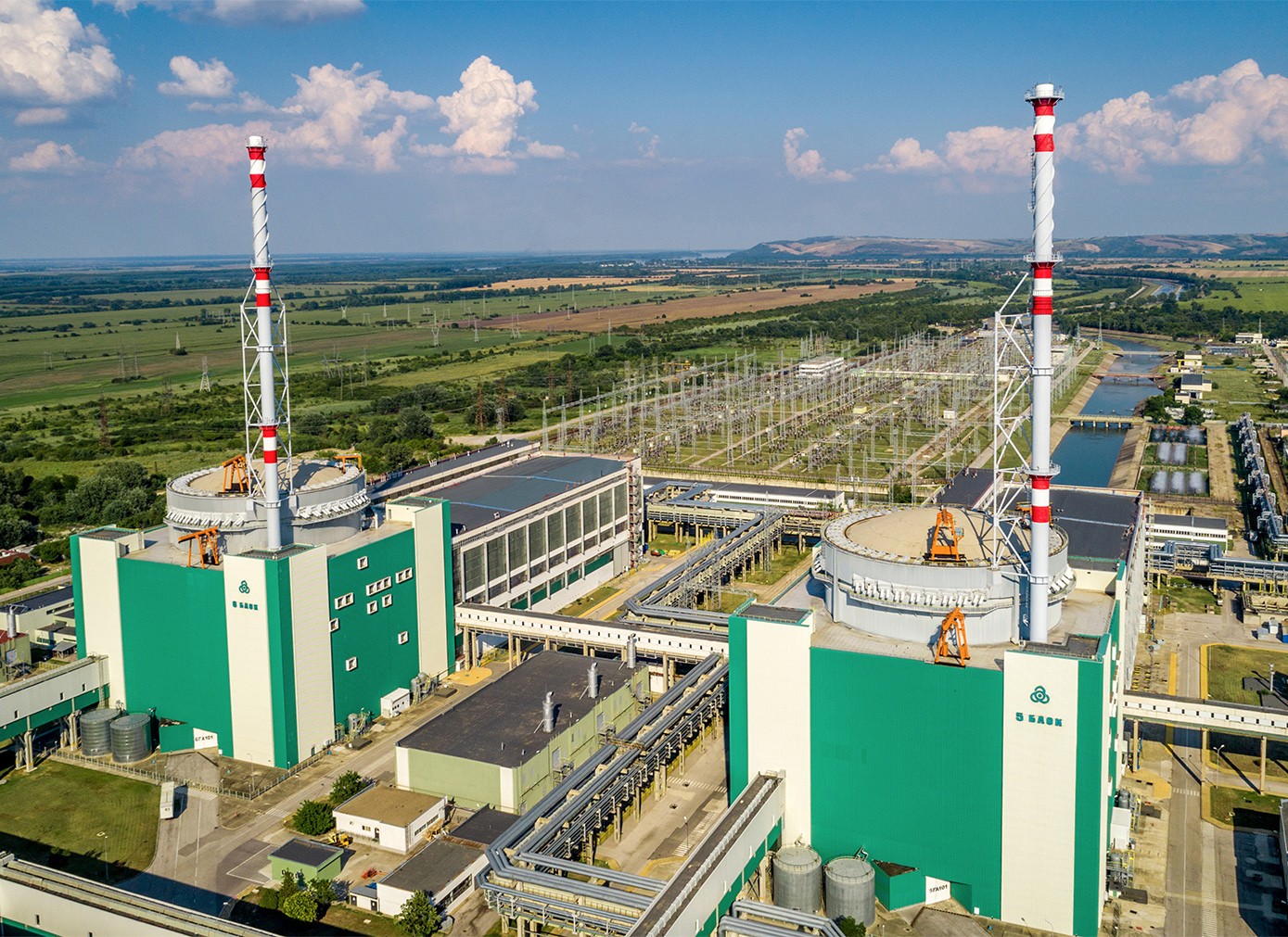
Bulgarian Energy Minister: Kozloduy NPP Implements Preventive Power Reduction Due to Continuous Decline in Danube River Water Levels
Bulgarian Energy Minister Iva Petrova confirmed on October 7, 2026, at a meeting of the parliamentary energy committee that the recent unit output reduction at the Kozloduy NPP was a preventive technical measure to ensure nuclear safety. Due to the continuous decline in Danube River water levels, the nuclear power plant synchronized a power reduction operation on Tuesday for the two operating nuclear units to ensure the stability and safety of the secondary-side cooling water circulation system. Petrova stated that in response to the impact of the Danube River's dry season on the nuclear power plant's water intake structures, the government and the power sector are actively seeking fundamental engineering technical...
2026-10-08

Urenco Officially Commissions Uranium Oxide Storage Facility at Gronau, Germany: Deepening Long-Term Safe Management of Depleted Uranium By-Products
Global nuclear fuel enrichment services giant Urenco recently announced the official commissioning of a specialized uranium oxide storage facility located at its Gronau enrichment plant site in North Rhine-Westphalia, Germany. The formal commissioning of this facility marks the completion of a key piece in Urenco's layout for the full lifecycle harmless disposal of depleted uranium tails and strategic resource reserves. The construction permit for this storage facility originated from the expansion approval issued by the North Rhine-Westphalia nuclear regulatory authority to the Gronau enrichment plant in 2005, which authorized the plant's annual enrichment capacity ceiling to reach 4.5 million separative work units (SWU). As a precondition for environmental and nuclear safety regulatory approval, the state government explicitly...
2026-10-08

Princeton Plasma Physics Laboratory Opens a New Path to Controlled Fusion Ignition: Implementing a "Heat First, Fuel Later" Strategy to Substantially Lower the Energy Threshold
A research team at the Princeton Plasma Physics Laboratory (PPPL), under the U.S. Department of Energy (DOE), has recently proposed an innovative fusion ignition control framework, charting an optimized path toward a self-sustaining burning plasma that requires the lowest external input energy. The study, jointly led by physicists Luis Delgado-Aparicio, Masayuki Ono, and Jonathan Menard, has been formally published in the top-tier physics academic journal Physical Review Letters (Phys...
2026-10-08

Tennessee's Top Officials Push Hard to Bind Nuclear Energy with Data Centers: Tennessee's Computing Blueprint and the Clash with Reality
Against the backdrop of an increasingly white-hot global artificial intelligence arms race, competition in computing infrastructure has substantively evolved into competition in energy supply capacity. Recently, at the ImagineIF tech futurism conference held in Nashville, multiple Tennessee political figures collectively spoke out, outlining a strategic blueprint centered on Oak Ridge and relying on nuclear energy and small modular reactors (SMRs) to power hyperscale data centers across the United States. However, beneath the grand framework of a multi-trillion-dollar investment vision and the historical narrative of the Manhattan Project, this industrial concept is facing regulatory approval bottlenecks, lagging power grid interconnection, rising community resistance, and environmental equity...
2026-10-07

US PPPL Reconstructs 70-Year-Old Lawson Criterion, Proposes New Fusion Ignition Pathway of "Heat First, Fuel Later"
The Princeton Plasma Physics Laboratory (PPPL), under the U.S. Department of Energy (DOE), released its latest findings on October 5. Laboratory physicists have reconstructed the classic Lawson criterion that has been in use for over 70 years and published the results in Physical Review Letters. The research team integrated four real-world physics effects that were previously treated separately into a unified model, mapping out an entirely new fusion ignition topography. The study shows that adopting a pathway of first heating the plasma and then increasing fuel density can achieve the ignition conditions for self-sustaining burn with far less energy consumption than traditional pathways. For over 70 years, the nuclear fusion field has relied on...
2026-10-07

Blue Energy becomes the first small nuclear power developer to apply for grid connection in Texas, aiming to provide baseload power for AI data centers
According to local U.S. media reports, nuclear energy startup Blue Energy Global Inc. has formally submitted a grid connection application to the Texas grid operator, becoming the first developer in the United States to apply to connect next-generation small modular reactor (SMR) power to the Texas main grid (ERCOT). The move is aimed at addressing the explosive growth in baseload electricity demand in Texas driven by the construction of artificial intelligence (AI) and supercomputing data centers. According to the relevant project plans submitted by Blue Energy, the company is advancing the development of a large energy complex in partnership with data center operator Crusoe Inc. The hybrid energy base is initially planned to first rely on natural gas units for rapid commissioning and power generation to address the urgent short-term power shortage of computing clusters; subsequently, small nuclear reactors will be gradually added and deployed to comprehensively build a long-term stable energy supply architecture featuring "gas-nuclear synergy and carbon-free transition."
2026-10-07

German Research Team Completes First Phase Analysis of Chernobyl "Hot Particles": Nuclear Fuel Crystal Structure Still Exhibits Unexpectedly High Chemical Stability After 40 Years
Nearly 40 years after the 1986 Chernobyl Nuclear Power Plant accident, a research team from Leibniz University Hannover and Helmholtz-Zentrum Dresden-Rossendorf (HZDR) in Germany has completed the world's first synchrotron radiation X-ray-based precision crystal phase analysis of 6 micron-sized highly radioactive fragments (commonly known in the industry as Hot Particles) ejected from the destroyed reactor. The related breakthrough research findings have been officially published in the top-tier journal in environmental and radioecology, the Journal of Hazardous Materials.
2026-10-07

TVA Sequoyah Nuclear Plant Begins Refueling and Maintenance
On October 5, 2026, the Tennessee Valley Authority (TVA) is conducting refueling and annual maintenance at the Sequoyah Nuclear Plant in Soddy-Daisy. According to the introduction, refueling is part of the normal operation of a nuclear power plant, involving the removal of spent fuel and its replacement with new fuel assemblies. Maintenance work includes inspection, testing, and repair of various equipment and systems to ensure the safe and reliable operation of the nuclear power plant. Due to this outage for inspection and maintenance, the Sequoyah Nuclear Plant will suspend power generation during this period. To address the resulting power gap, the Tennessee Valley Authority will dispatch other resources through its existing diversified generation portfolio...
2026-10-06
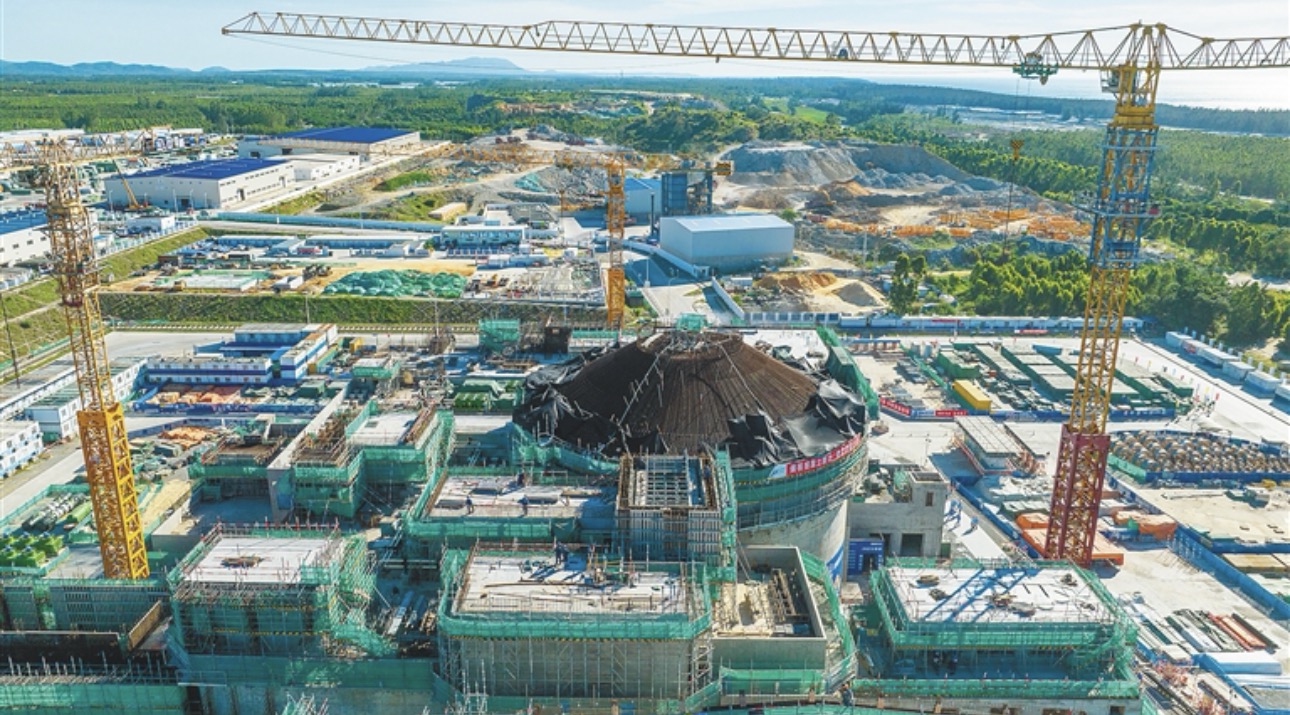
China's Linglong One global first-of-a-kind unit hot test steadily advances, moving toward the goal of fuel loading within the year
Recently, the Linglong One global first-of-a-kind unit at Changjiang, Hainan, China, is currently advancing hot functional testing in an orderly manner, steadily moving toward the goal of fuel loading within the year. It is understood that modular small reactors feature flexible deployment and outstanding inherent safety, and can be adapted to diverse application scenarios such as island power supply and industrial steam supply. Linglong One is the world's first onshore commercial modular small nuclear reactor to pass the safety review of the International Atomic Energy Agency (IAEA). At present, all civil construction of the project has been completed, and the installation of core equipment is basically complete. The hot functional test currently being carried out is a key comprehensive commissioning stage before unit fuel loading, used to verify the performance of the reactor primary loop and supporting systems under high-temperature conditions. If fuel loading is achieved within the year, it will mark the transition of the world's first onshore commercial modular small reactor from the construction stage to the operation preparation stage.
2026-10-05

Experts from 18 Countries Discuss Research Planning for Russia's MBIR Fast Reactor International Research Center: Focusing on Closed Fuel Cycle and Mega-Science Engineering Synergy
At the Institute of Nuclear Physics of the Academy of Sciences of the Republic of Uzbekistan (INP AS RUz), the third meeting of the Advisory Council of the International Research Center (IRC MBIR), established on the basis of the Multi-purpose Fast Neutron Research Reactor (MBIR), was officially convened. The meeting attracted more than 150...
2026-10-03
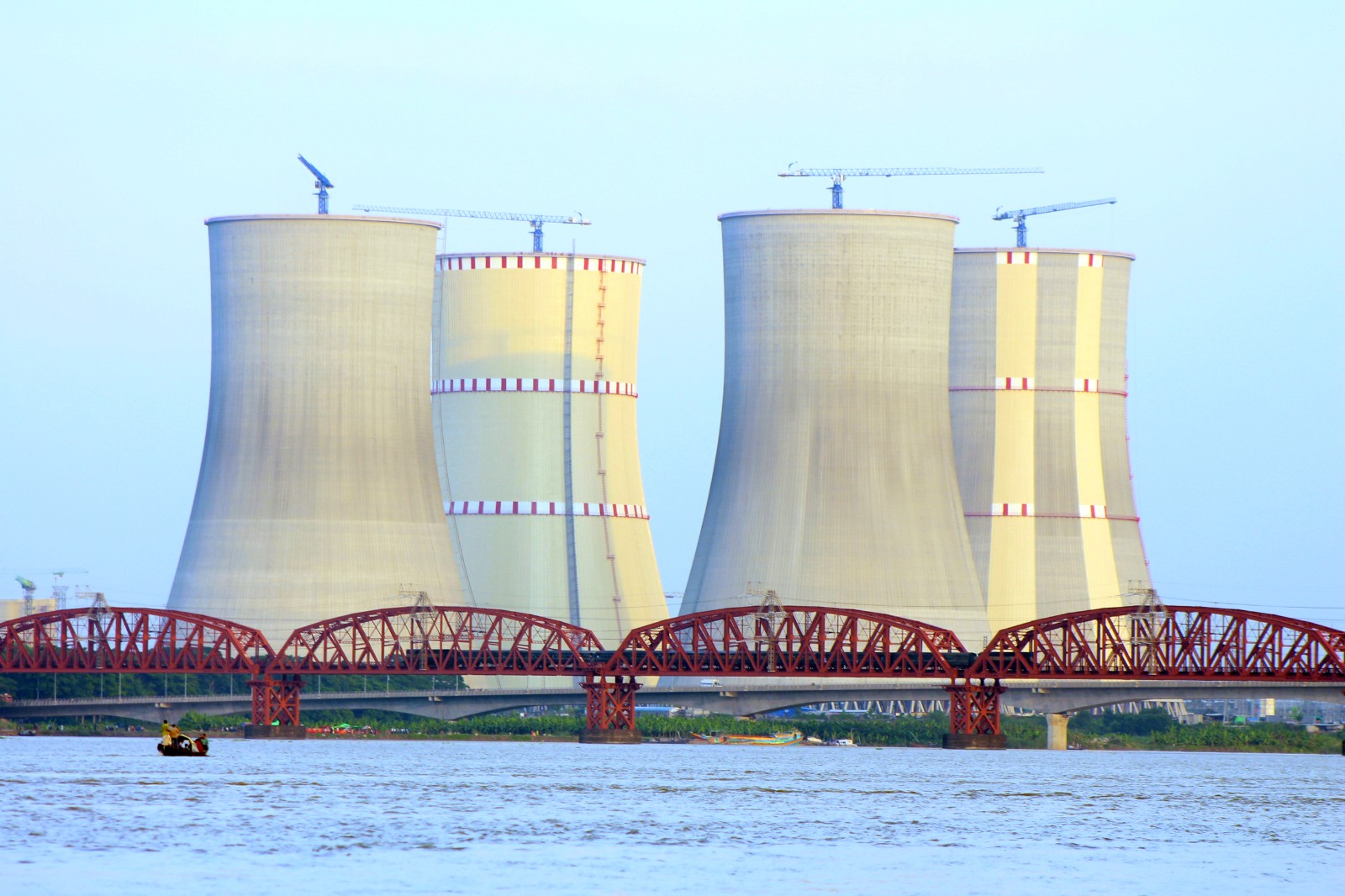
Second Batch of Nuclear Fuel for Bangladesh's Rooppur Nuclear Power Plant Arrives at Shahjalal International Airport
Bangladesh's first nuclear power plant construction recently reached a key milestone, as a Russian cargo plane carrying a new batch of enriched uranium nuclear fuel landed smoothly late Friday night at Hazrat Shahjalal International Airport in Dhaka, the capital of Bangladesh. Officials confirmed that the nuclear fuel, under tight security escort, has departed for transport to the Rooppur Nuclear Power Plant (RNPP) project site in the Pabna region. M. Rashiduzzaman Millat, State Minister of the Ministry of Civil Aviation and Tourism of Bangladesh...
2026-10-04

"Linglong One" Global First-of-a-Kind Unit Enters Hot Functional Testing Sprint Toward Fuel Loading: Hainan Nuclear Power Details Fully Passive Safety and Multi-Layer Defense Logic
At the Hainan Changjiang Nuclear Power Base, the highly anticipated Linglong One multi-purpose modular small pressurized water reactor global first-of-a-kind demonstration project is in the hot functional testing phase, making an all-out sprint toward the goals of first core nuclear fuel loading and grid-connected power generation within the year. As the world's first onshore commercial modular small reactor to pass the International Atomic Energy Agency's generic safety review, its safety margins and engineering design logic have drawn widespread industry attention. Currently, the civil engineering works of the Linglong One unit have been fully completed, and the installation and commissioning of core main equipment are essentially ready. Following the completion of cold functional testing in October 2025, the ongoing hot functional testing is raising the primary loop system temperature and pressure to near actual rated operating conditions...
2026-10-02