
Search Results
Keyword:UE
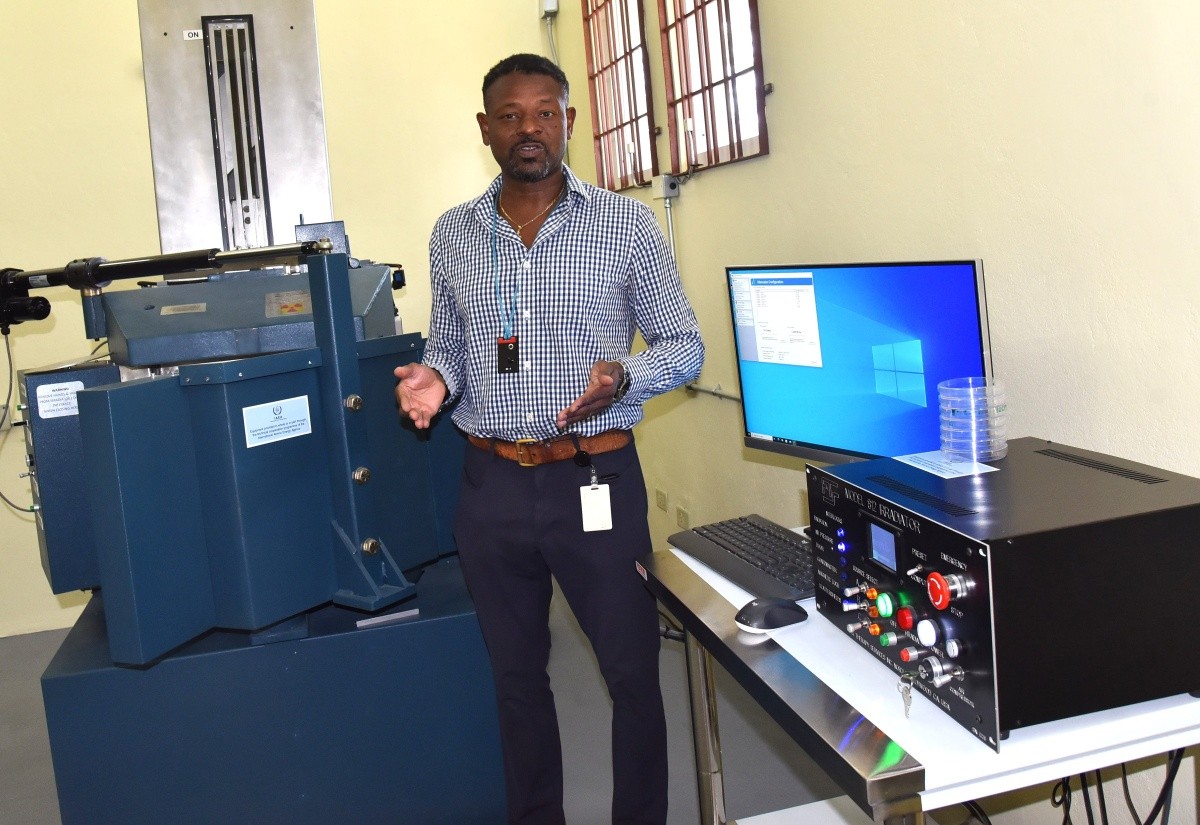
Jamaica Commissions Cobalt-60 Gamma Irradiator to Support Sterile Insect Technique and Agricultural Research
A new gamma irradiator at the International Centre for Environmental and Nuclear Sciences at the University of the West Indies in Jamaica has been commissioned, providing new technical capabilities for the country's research in vector-borne disease control, agricultural improvement, and nuclear technology applications. The equipment began operation in October 2024 and was officially inaugurated in August 2025, currently focusing primarily on sterile insect technique research, with the main objective of controlling Aedes aegypti mosquitoes. John Antoine, head of the Nuclear Analysis Laboratory and senior research scientist at the International Centre for Environmental and Nuclear Sciences, explained that the irradiator can deliver controlled, measurable doses of radiation to samples or products without making the samples or products themselves radioactive. He compared the...
2026-09-08

Türkiye partners with Danish company to develop thorium-based nuclear technology
Türkiye's Ministry of Energy and Natural Resources stated on September 7 that the Turkish Energy, Nuclear and Mineral Research Agency (TENMAK) has signed a memorandum of understanding with Danish nuclear technology developer Copenhagen Atomics to cooperate on developing next-generation nuclear energy technologies centered on Türkiye's thorium resources. According to the Turkish statement, the cooperation priorities include research and development of technologies that can utilize thorium, domestic production of thorium compounds in Türkiye, and promoting the participation of Turkish industrial enterprises, technology companies, and researchers in thorium-based nuclear technology development. The two sides will focus on thorium material preparation, research and development, and project design applicable to next-generation nuclear reactors, particularly molten salt reactors.
2026-09-08

UK Report Says Russia's Uranium Supply Share Could Rise to 36% by 2040
The UK-based non-governmental organization Center for Strategic Advantage (CSA) recently released a report stating that if countries advance uranium production according to existing plans and operate all deposits at full capacity, Russia's share of global uranium supply could rise from roughly one-quarter at present to 36% by 2040. The report argues that Western countries face issues such as insufficient investment and delays in permitting new mine development, making it difficult to meet future demand. Meanwhile, Russia's uranium mining capacity is expected to continue growing. Project director Gareth Heywood stated that by 2040, some countries' dependence on Russian uranium production could approach the level of their dependence on Russian natural gas and oil around 2022.
2026-09-08
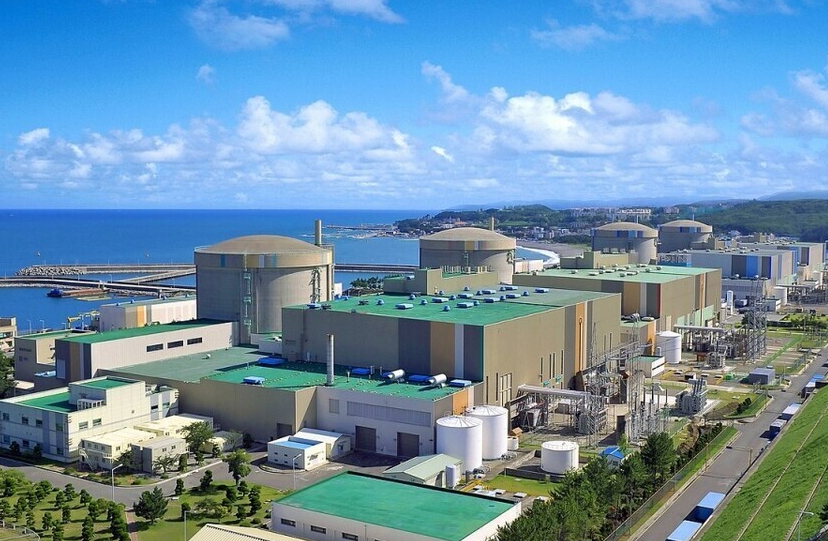
Gyeongju City in South Korea Submits Key Requests to Government for Extension of Wolseong Nuclear Power Plant
Gyeongju City, North Gyeongsang Province, South Korea, stated on September 7 that it has submitted five key pending matters to the Ministry of Climate, Energy and Environment, covering nuclear power plants, support facilities for low- and intermediate-level radioactive waste disposal, and water supply guarantees for the Hyeongsan River basin. On the same day, Gyeongju Mayor Joo Nak-young and National Assembly member Kim Seok-ki met with Minister Kim Sung-hwan of the Ministry of Climate, Energy and Environment to explain the importance of the relevant projects to regional development and public welfare, and requested review and support at the central government level. Regarding support facilities for radioactive waste disposal...
2026-09-08

Japanese research team accelerates muons to 0.3 MeV, taking a step toward the world's only muon accelerator
A research team comprising the J-PARC Center, High Energy Accelerator Research Organization (KEK), the University of Tokyo, Tokai National Higher Education and Research System, Nagoya University, and RIKEN recently completed muon cooling and radio-frequency acceleration experiments in the newly constructed muon acceleration experimental area at the J-PARC Materials and Life Science Experimental Facility, successfully accelerating muons to a kinetic energy of 0.3 MeV, corresponding to approximately 8% of the speed of light. Conceptual diagram of cooling and accelerating positive muon beams. By cooling positive muons with non-uniform direction and velocity, efficient high-frequency acceleration can be achieved. Muons are elementary particles similar to electrons that can be artificially produced by accelerators and are widely used in materials science, particle physics research...
2026-09-07

Türkiye continues negotiations with multiple countries on new nuclear power plants
Turkish Minister of Energy and Natural Resources Alparslan Bayraktar stated that Türkiye's negotiations on new nuclear power plants have not yet been completed, and the country remains in contact with Russia, China, Canada, South Korea, and others, with no agreements signed for the relevant projects. Bayraktar said Russia is interested in participating in the Sinop and Thrace nuclear power plant projects and hopes to leverage the experience and human resources accumulated in the Akkuyu nuclear power plant project. In addition to Russia, Türkiye is also in negotiations with Canada, China, and South Korea on other nuclear power projects. He stated that beyond the Akkuyu plant, Türkiye plans to build eight more reactors...
2026-09-07

Tottori Prefecture nuclear safety advisory council approves safety of MOX fuel plan for Shimane Unit 2
The Tottori Prefecture Nuclear Safety Advisory Council held a meeting in Yonago City on September 6 and submitted an opinion on the MOX fuel power generation project planned by Chugoku Electric Power Co. for Unit 2 of the Shimane Nuclear Power Station. The opinion stated that, based on explanations provided by Chugoku Electric Power Co. and the Japanese government, the safety of the project can be ensured. The Shimane Nuclear Power Station is located in Matsue City, Shimane Prefecture. Chugoku Electric Power Co. plans to use mixed oxide fuel, or MOX fuel, consisting of uranium and plutonium, in Unit 2. This type of power generation is also referred to as plutonium thermal power generation in Japan. The opinion also...
2026-09-07

U.S. ZC Institute Unveils "Kardashev One" Fusion Prototype Reactor Plan to Independently Test Neutron Recovery Concept
ZC Institute, a fusion energy company headquartered in Atlanta, USA, announced on September 4 the launch of the Kardashev One program, aiming to develop a fusion prototype reactor to explore recovering energy lost to radiation and neutron escape during fusion reactions. As an early validation step of the program, ZC Institute has commissioned Professor Jason Cassibry and his team at the University of Alabama in Huntsville (UAH) to conduct independent testing of the related field distortion technology. According to ZC Institute, existing fusion approaches, including inertial confinement fusion and magnetic confinement fusion, lose energy in forms such as electromagnetic radiation and neutron escape. Magnetic fields can confine charged...
2026-09-05

U.S. NANO Nuclear and Enveniam to Advance Microreactor and Nuclear Fuel Cycle Cooperation
U.S. advanced nuclear energy company NANO Nuclear Energy Inc. announced on September 4 that it has signed a non-binding memorandum of understanding with Enveniam, LLC, a project integration and engineering technology services provider, to explore cooperation in areas such as nuclear fuel cycle infrastructure, microreactor commercialization, advanced manufacturing, and end-user energy solutions. Under the MOU, the parties will evaluate how to leverage Enveniam's experience in nuclear engineering, project integration, safety analysis, licensing support, project controls, operational readiness, and complex energy infrastructure development to support NANO Nuclear...
2026-09-05

South Korean civic groups oppose construction of spent fuel storage facility at Hanbit Nuclear Power Plant site
On September 4, the Joint Action Organization Against Hanbit Nuclear Power Plant in the Honam region of South Korea held a press conference in front of the high-level radioactive waste forum venue in Gochang County, North Jeolla Province, demanding the cancellation of plans to build a storage facility at the Hanbit Nuclear Power Plant site and proposing fundamental measures to address nuclear waste issues. The organization stated that Korea Hydro & Nuclear Power (KHNP) is pushing forward with the construction of temporary storage facilities at the plant site on the grounds that the spent fuel pools at Hanbit Nuclear Power Plant may reach saturation by 2030. The organization argued that this move fails to adequately respond to the opinions of residents near the plant and amounts to unilaterally shifting the burden of nuclear waste onto the local community. The organization stated that the current plan involves building storage facilities at the existing nuclear power plant site...
2026-09-06

U.S. Completes Mechanical Property Measurements of Irradiated HALEU TRISO Fuel Particles
Researchers at the U.S. Department of Energy's Oak Ridge National Laboratory (ORNL) have completed mechanical property measurements of irradiated high-assay low-enriched uranium (HALEU) TRISO fuel particles, providing new experimental data for the development and qualification of next-generation nuclear fuels. This is an optical cross-sectional image of an irradiated AGR-2 TRISO fuel particle in the Irradiated Fuels Examination Laboratory at Oak Ridge National Laboratory. Image credit: Oak Ridge National Laboratory, U.S. Department of Energy. TRISO fuel, or tri-structural isotropic fuel, features particles coated with multiple protective layers, typically including pyrolytic carbon layers and a silicon carbide layer. This structure provides strong fission product retention capability and is considered one of the key fuel options for advanced reactors, particularly high-temperature gas-cooled reactors. Understanding the property changes of these coatings after irradiation is a critical step in predicting fuel performance under reactor operating conditions.
2026-09-04
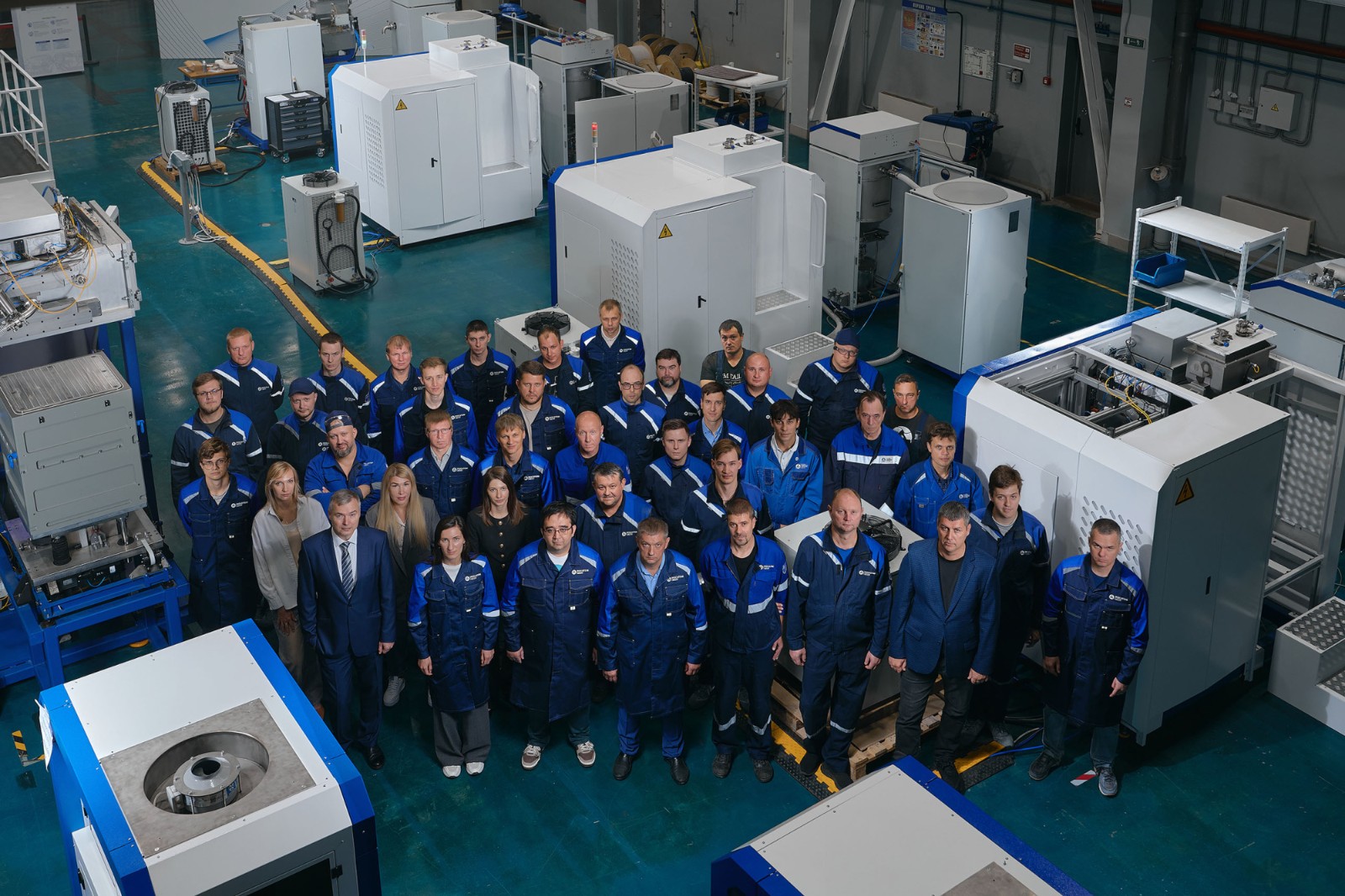
Rosatom Fuel Division Completes Assembly of 30th Industrial Metal 3D Printer
On September 3, 2026, the Moscow Additive Manufacturing Technology Center of Rosatom's Fuel Division completed the assembly of its 30th industrial metal 3D printer. The equipment is the medium-sized RusMelt 300M, a flagship model in Rosatom's metal 3D printer product line. The rollout of the 30th unit coincides with the 30th anniversary of TVEL JSC, the management company of Rosatom's Fuel Division. According to reports, the additive manufacturing technology business unit of Rosatom's Fuel Division currently produces industrial-grade 3D printers capable of meeting manufacturing needs for components of various sizes, utilizing mainstream metal additive manufacturing technologies such as selective laser melting (SLM), direct metal deposition (DMD), and electron beam additive manufacturing (EBAM)...
2026-09-04
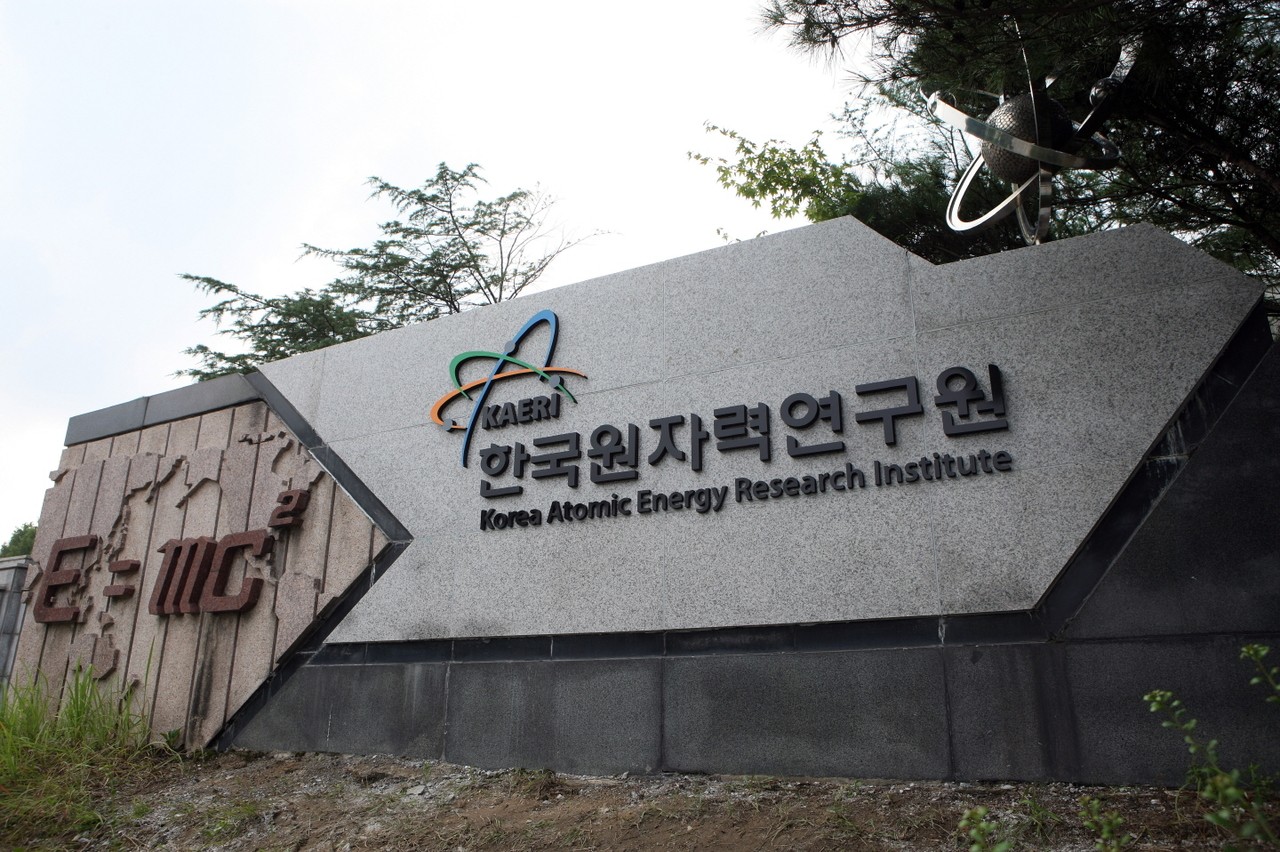
South Korea Exports Molten Salt Reactor R&D Technology to Denmark
The Korea Atomic Energy Research Institute (KAERI) announced on September 4 that it has signed a two-year contract worth USD 2.26 million (approximately KRW 3 billion) with Danish nuclear energy company Saltforce to provide molten salt reactor-related R&D services, covering areas such as nuclear fuel manufacturing, molten salt testing, and material corrosion assessment. Molten salt reactors are a class of next-generation reactors that typically use high-temperature molten salt as a fuel carrier or coolant medium. Based on the molten salt chemical system, this type of technology is mainly divided into fluoride-based and chloride-based systems. Under the contract arrangement, KAERI will provide support for the fluoride-based...
2026-09-04
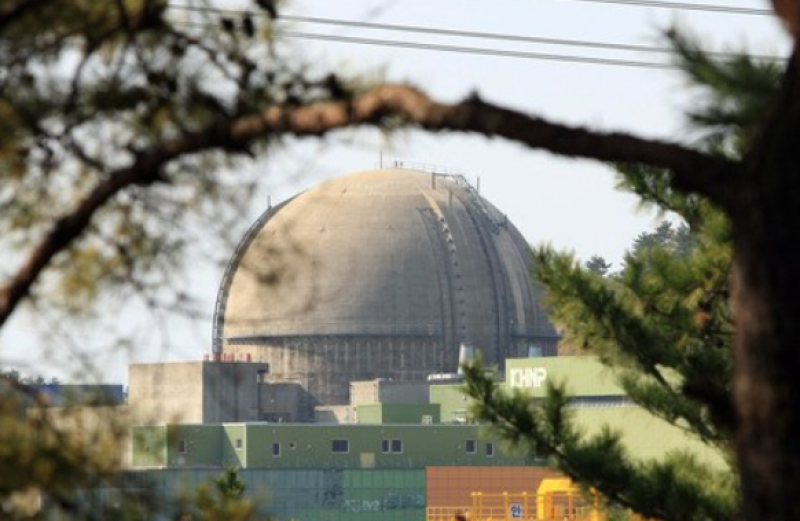
Non-compliant Welding Procedures at Two Units of South Korea's Hanbit Nuclear Power Plant
The Hanbit Nuclear Power Plant headquarters of Korea Hydro & Nuclear Power Co., Ltd. (KHNP) recently confirmed that Units 1 and 2 of the plant had used welding procedure specifications (WPS) that had not undergone impact testing during maintenance of the component cooling water heat exchangers. A retrospective inspection found that among 14 repair activities conducted since the relevant heat exchangers were replaced in 2007, 6 cases involved similar non-compliance. The issue was identified during the 28th planned preventive maintenance outage of Hanbit Unit 1. Inspections revealed that some welding procedure specifications used for repairs to the water chambers of the component cooling water heat exchangers did not meet requirements, involving repair work on worn areas inside the heat exchanger water chambers in the cooling systems of Units 1 and 2. Hanbit Nuclear...
2026-09-04

New Fuel Delivery Completed at Japan's Sendai Nuclear Power Plant
Kyushu Electric Power Co. announced on September 2 that new fuel required for Units 1 and 2 of Japan's Sendai Nuclear Power Plant has been delivered. The transport operation began on August 30, 2026, and concluded on September 2. According to information released by Kyushu Electric Power, the new fuel delivered this time was manufactured by Nuclear Fuel Industries, Ltd. Specifically, Unit 1 of the Sendai Nuclear Power Plant received 24 new fuel assemblies transported in 12 shipping containers, while Unit 2 received 28 new fuel assemblies transported in 14 shipping containers. The new fuel transport was carried out using a combination of land and sea routes. Kyushu Electric Power stated...
2026-09-03