
Search Results
Keyword:UK

Europe's High Temperatures and Droughts Impact Nuclear Power Operations, Ukrainian Expert Says Climate Adaptation Tied to Energy Independence
Recent prolonged high temperatures, droughts, and falling river levels across Europe have put pressure on the operation of some nuclear power plants that rely on river water for cooling. Nuclear facilities in France, Hungary, Romania, and Slovenia have successively experienced power reductions or shutdowns, forcing some countries to ease supply pressure through electricity imports and adjusted consumption arrangements. Katie Huff, a professor of nuclear engineering at the University of Wisconsin-Madison, stated that the impact of climate change on nuclear power operations is mainly reflected in two aspects: first, droughts lower river levels, making it difficult for plants to obtain sufficient cooling water; second, when air and water temperatures are high, nuclear plants face stricter restrictions on discharging warm water into rivers to avoid further affecting the aquatic environment.
2026-08-11

UK PhD Students Travel to Canadian Nuclear Laboratories for Hands-On Nuclear Energy Training
On August 10, 2026, Canadian Nuclear Laboratories (CNL) welcomed its first cohort of PhD students from the United Kingdom. The visit is part of a five-year collaboration with the UK's Skills and Training Alliance for a Nuclear Renaissance Centre for Doctoral Training (SATURN CDT), marking the launch of a new long-term partnership in the international development of nuclear energy talent. SATURN CDT is funded by the UK's Engineering and Physical Sciences Research Council (EPSRC) and led by the University of Manchester, in partnership with seven UK universities. The program aims to provide the next generation of nuclear energy professionals with hands-on training beyond the classroom...
2026-08-11

UK Office for Nuclear Regulation Publishes New Safeguards Guidance
The UK Office for Nuclear Regulation (ONR) published updated guidance on 10 August to help nuclear facility operators meet new requirements under the Nuclear Safeguards (EU Exit and Fees) (Amendment) Regulations 2026. The amending regulations, which came into force in July this year, are regarded as a significant adjustment to the UK's nuclear safeguards regime. Safeguards measures are primarily used to verify whether a state complies with its international obligations, ensuring that nuclear materials in civil nuclear programmes are not diverted to non-peaceful purposes. The amendment modernises safeguards reporting requirements, with operators transitioning from the previous basic technical characteristics reports to the International Atomic Energy Agency (IAEA) standardized design information questionnaire. The new regulations also...
2026-08-11

UK's Materials Detritiation Facility at Culham Resumes Operations to Support JET Fusion Decommissioning Materials Research
The UK Atomic Energy Authority recently announced that the Materials Detritiation Facility (MDF) at Culham has resumed operations following a 12-month engineering shutdown and upgrade. Experimental data produced by the facility has already been used to support research related to the removal of materials from the Joint European Torus (JET) device, providing a basis for waste management strategies under the JET Decommissioning and Repurposing (JDR) project. Over three years of plasma operations, deuterium-tritium (DT) experiments conducted at JET have left residual amounts of tritium in the tokamak's walls and internal components. This phenomenon is associated with tritium's tendency to enter materials under high-power fusion operating conditions. For JET decommissioning work, accurately determining the tritium...
2026-08-11

Lockheed Martin Australia Authorized to Integrate Virginia-Class Nuclear Submarine Combat Systems, Marking a Key Step in AUKUS Technology Transfer
Lockheed Martin Australia has signed a multi-year A$29.3 million contract with the Australian Submarine Agency and has been officially designated as the combat systems integration partner for Australia's Virginia-class nuclear submarines. What makes this arrangement unique is that Australia will become the first national-level partner outside the United States authorized to integrate, maintain, and upgrade the classified combat systems of Virginia-class nuclear submarines. The relevant authorization covers approximately 40 classified subsystems, including critical capabilities such as sensors, target identification, weapon control, and underwater communications, marking a deepening of technology sharing under the AUKUS framework from platform procurement to the core combat systems level. The Virginia-class nucle...
2026-08-11

UK's Harlette Capital seeks partners to develop lunar micro nuclear reactor
UK-based innovative company Harlette Capital has recently issued a Request for Information (RFI), seeking support from industry and research institutions for the development of a micro nuclear reactor for lunar missions. The company stated that the project aims to provide continuous power for long-term scientific research, communications, infrastructure construction, and future crewed exploration on the lunar surface. Harlette Capital is previously better known for its luxury fashion brand Harlette. The company also operates a separate innovation business segment, which is positioning itself in space and energy assets and advancing a small modular reactor (SMR) project named Alpha Moon. According to the company, the RFI has been sent to...
2026-08-11

UK Sizewell C Nuclear Power Station Financing Finalized, Project Worth Over £26 Billion to Supply Power for 60 Years
The Sizewell C nuclear power station project in the UK has completed its final financing arrangements, marking the official entry into the definitive construction phase of this large-scale nuclear project with a total investment target of approximately £38 billion, equivalent to around RMB 261 billion. Located on the Suffolk coast of England, the project will feature two EPR Generation III pressurised water reactor units, with a total installed capacity of approximately 3.2 gigawatts and a design operational lifespan expected to reach 60 years. This project holds significant importance for the UK's energy system. In recent years, the UK has faced the dual pressures of accelerating the phase-out of ageing fossil fuel infrastructure on one hand, and managing the variability of renewable energy and growing electricity demand on the other. Once completed, Sizewell C will provide long...
2026-08-10

Chernobyl Black Fungi Draw Attention: Potential Value in Ionizing Radiation Tolerance and Shielding Research
Nearly four decades after the explosion of Unit 4 at the Chernobyl Nuclear Power Plant, the areas surrounding the damaged reactor remain heavily contaminated with radiation. In this high-radiation environment, researchers have discovered that a type of black fungus is not only capable of surviving but may also exhibit strong environmental adaptability, drawing continued scientific interest in its radiation tolerance mechanisms. According to available data, this fungus, scientifically known as Cladosporium sphaerospermum, has been found on the interior walls of buildings associated with the contaminated reactor at Chernobyl. Researchers point out that its deep black appearance is linked to the large amounts of melanin accumulated within its cells. Compared with ordinary organisms, this type of fungus exhibits exceptional tolerance in high...
2026-08-10

Ukraine's Radon Association Receives EU-Assisted Equipment to Enhance Operational Reliability of IASRM Radiation Monitoring System
On August 4, 2026, the Ukrainian state non-profit company Radon Association received five modern support systems to enhance the uninterrupted operation capability of the Integrated Automated Radiation Monitoring System (IASRM). The project is financially supported by the European Union through the Science and Technology Center in Ukraine, pursuant to Agreement No. INSC/2023/442-610 signed on May 22, 2023. Under the contractual arrangements, the relevant equipment has been delivered to the regional branches of the Radon Association and the central production base branch, with installation completed at the designated facilities. The systems installed this time mainly include backup power supply equipment such as diesel generators, which can provide continuous power to IASRM equipment during main power interruptions or shutdowns, thereby ensuring the normal operation of the radiation monitoring system under abnormal power supply conditions.
2026-08-10

DNT "Radon Association" Receives EU Technical Assistance Equipment to Strengthen Radiation Dose Monitoring Capabilities
On August 4, 2026, under the framework of the EU International Technical Assistance Project, the DNT Radon Association received a batch of modern measurement equipment for radiation dose monitoring, aimed at enhancing radiation monitoring and dose control capabilities. The project is financially supported by the EU through the Science and Technology Center in Ukraine, pursuant to Donor Agreement No. 700001998 signed on June 24, 2024. In accordance with the contractual arrangements, the relevant measurement equipment has been delivered to the Association's interregional branches and central production base branches. Following delivery, the DNT Radon Association conducted acceptance testing of the supplied measurement equipment. The test results demonstrated that the equipment meets the requirements for its intended use. Concurrently, the Association also organized relevant personnel to undergo training in equipment operation and maintenance; upon completion of the training and knowledge assessment, the relevant experts were awarded certificates of completion.
2026-08-10
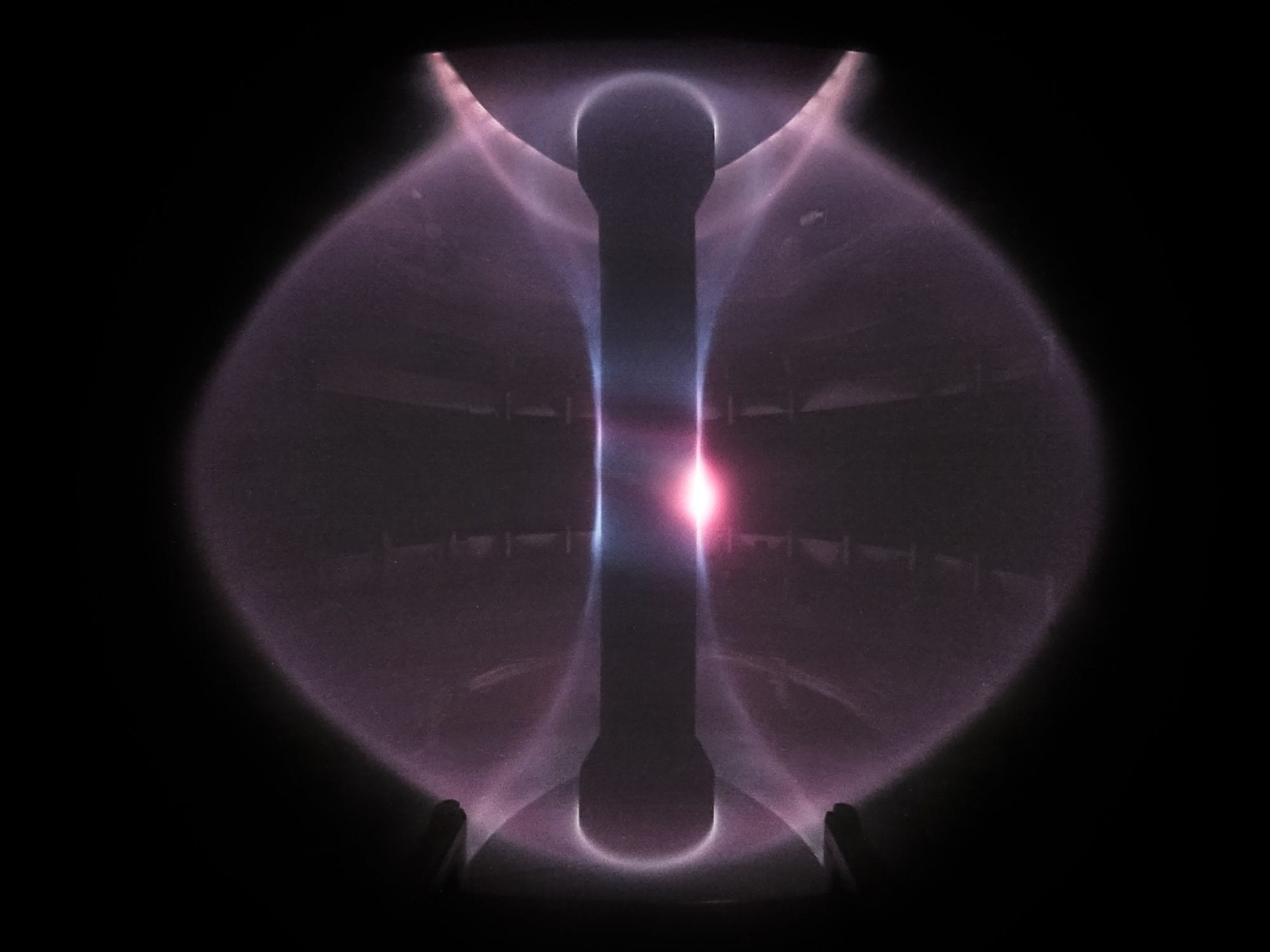
UK's MAST Upgrade sets plasma pressure record in fifth experimental campaign
The UK Atomic Energy Authority (UKAEA) has completed the fifth experimental campaign of its flagship fusion experiment, MAST Upgrade. The campaign, conducted between 2025 and 2026 at the Culham Campus in Oxfordshire, UK, produced over 1,100 plasma pulses and achieved the device's highest-ever plasma pressure while overcoming plasma instability issues. In fusion devices, hydrogen isotopes must be heated, compressed, and confined under extremely high temperatures and pressures. The higher the plasma density and temperature, the stronger the fusion reaction, and high-pressure plasmas are also closer to the operating conditions required for future commercial fusion power plants. UKAEA stated that this...
2026-08-07

New Decommissioning Plan for Fukushima Daiichi: Priority on Internal Investigation of Unit 3 Before Fuel Debris Retrieval
The Nuclear Damage Compensation and Decommissioning Facilitation Corporation of Japan released on August 6 an outline of the 2026 edition of the "Decommissioning Strategic Plan," proposing technical approaches for the decommissioning of Tokyo Electric Power Company's Fukushima Daiichi Nuclear Power Station. The plan highlights that, for the large-scale retrieval of melted fuel debris at Unit 3, expected to commence in or after fiscal year 2037, priority should currently be given to internal investigations of the reactor building to provide a more reliable basis for subsequent engineering plans. The plan states that the fuel debris retrieval method being studied by TEPCO still requires further improvement in certainty, with the key prerequisite being an understanding of the actual internal conditions of the reactor. Due to the high radiation levels of the water inside the unit following the accident...
2026-08-07

UK Energy - Nuclear joins World Association of Nuclear Operators
Great British Energy - Nuclear (GBE-N) has joined the World Association of Nuclear Operators (WANO) as a new member of its fifth membership category. This membership category is open to organizations worldwide that are planning, constructing, or preparing to operate new nuclear facilities. By joining WANO, GBE-N will gain access to the association's global professional network, operational experience feedback, and tailored support for new nuclear projects. WANO can provide assistance in the construction, commissioning, operational readiness, startup, and long-term safe and reliable operation of new nuclear plants. GBE-N, a UK government-owned entity, is advancing plans to deploy Rolls-Royce Small Modular Reactors in Gwynedd, North Wales (formerly known as Wylfa).
2026-08-06

Czech industrial valve manufacturer MSA expands into the full nuclear energy supply chain
Czech industrial valve manufacturer MSA is actively expanding its business, aiming not only to participate in the construction of the Dukovany nuclear power plant but also to enter the supply chains related to small modular reactors (SMRs) and nuclear submarine projects. The company is one of the representatives of Czech industrial valve manufacturers, with years of industry experience and technical expertise. MSA specializes in the manufacture of industrial valves designed for the control of media such as liquids and gases. Its products have a long history and have undergone significant technological advancements. Modern industrial valves have become a highly specialized field, relying on contemporary research, innovative materials, and stringent technical and legal requirements. In particular, valves used in nuclear power plants must meet the highest standards of quality, safety, and operational reliability...
2026-08-06
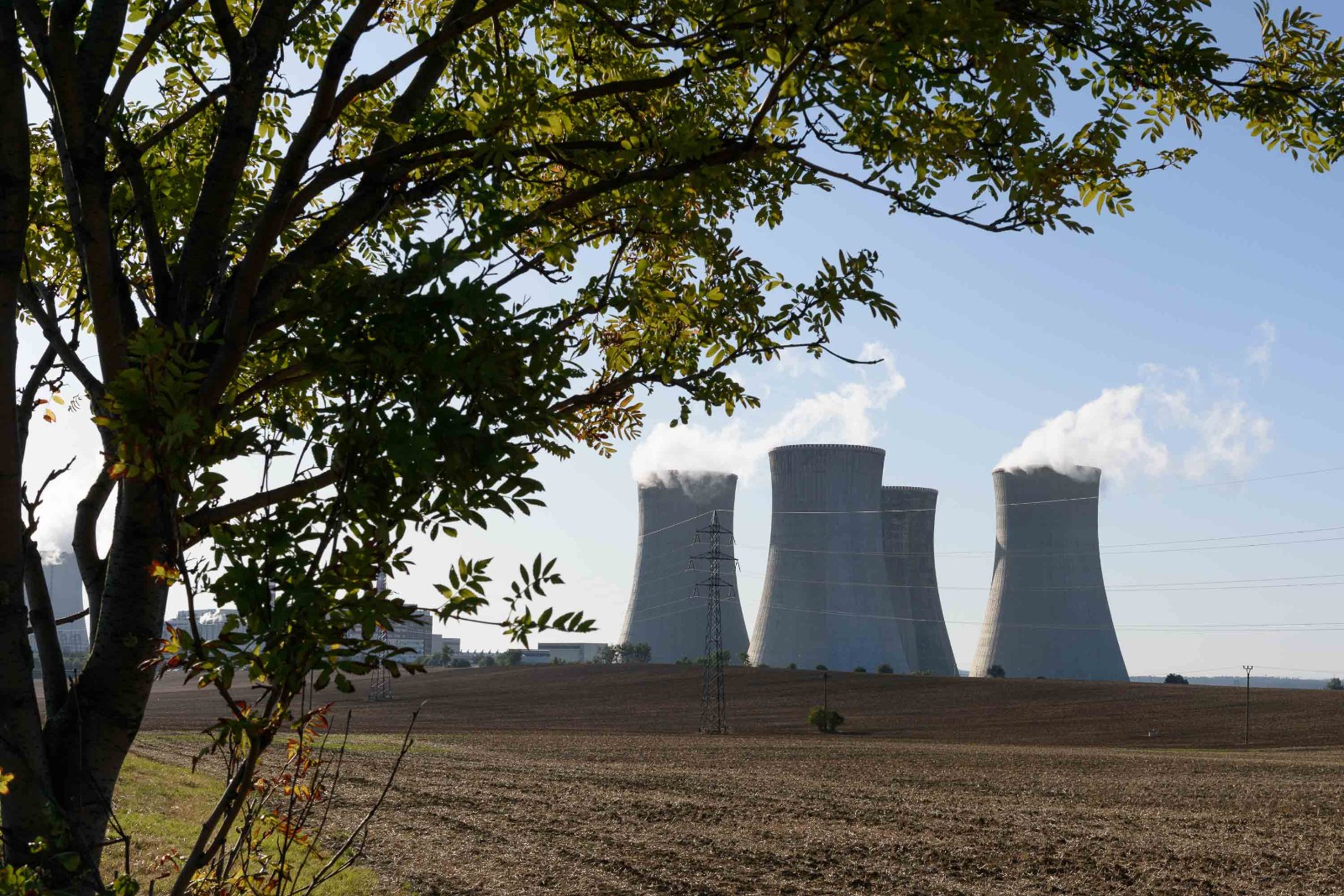
Czech nuclear safety officials say domestic nuclear power plants have sufficient cooling water for both existing and new units
Droughts across parts of Europe are affecting the operation of some nuclear power plants. Due to low water levels and flow rates in the Danube River, two reactors at Romania's Cernavodă Nuclear Power Plant have been shut down, and Hungary's Paks Nuclear Power Plant also faces the risk of a complete shutdown. Štěpán Kochánek, Chairman of the Czech State Office for Nuclear Safety (SÚJB), stated that plant operators should not be allowed to continue operating units at full power when cooling water is insufficient, and that related shutdown measures are conservative actions predefined in operating procedures. Kochánek explained that reactor shutdowns are not an unusually rare operation. Unit shutdown typically involves gradually reducing reactor power, inserting control rods, and bringing fission reactions to a minimal level or complete cessation. After shutdown, the reactor still requires cooling, but the demand for cooling water volume and capacity is significantly lower than during full-power operation. He noted that this process shares similarities with planned outages such as refueling overhauls and is a standardized procedure that operators should master.
2026-08-05